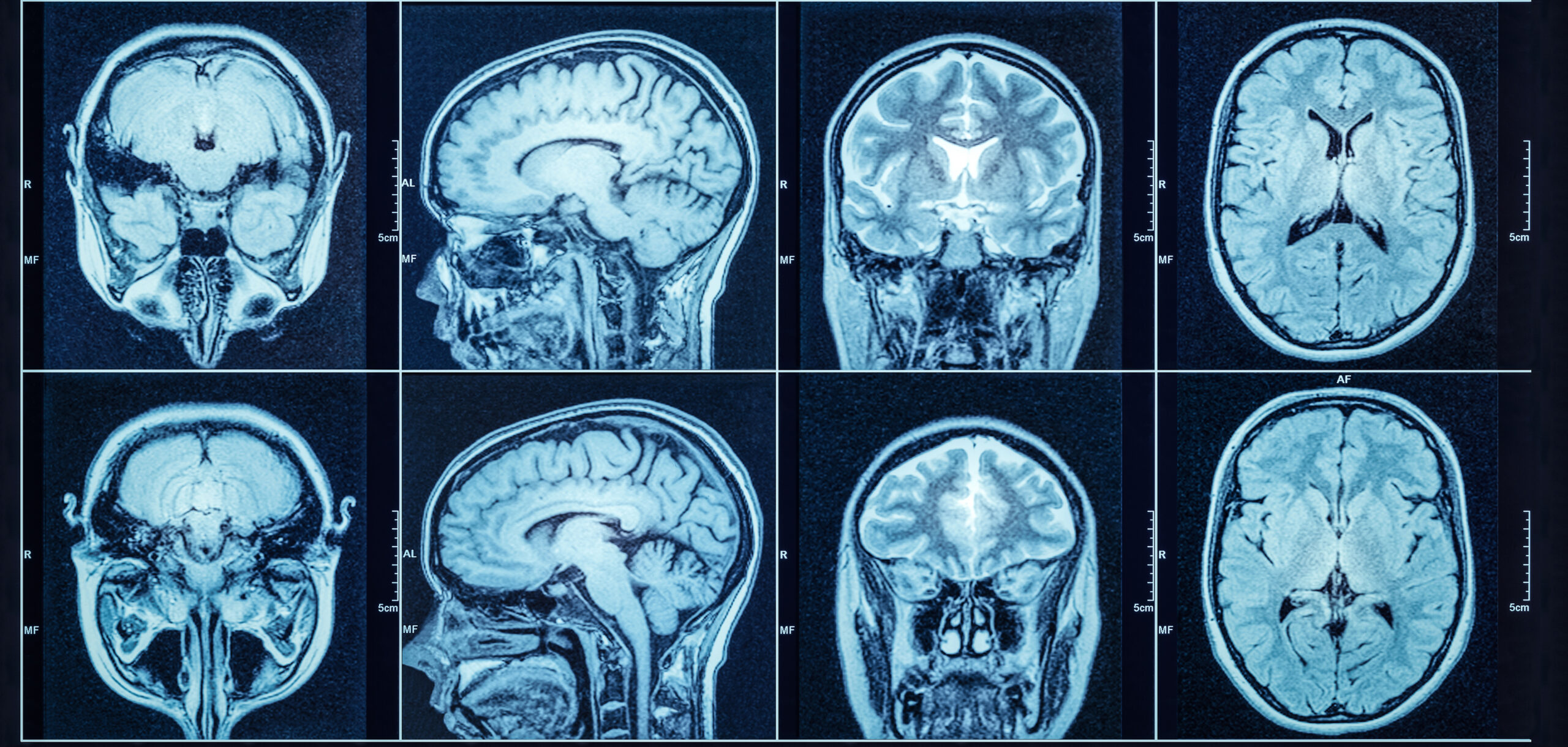
A traumatic brain injury changes everything. It can alter a person’s personality, erase memories, strip away the ability to work, and transform someone who was fully independent into a person who requires constant care and support. When that injury was caused by another person’s negligence, the financial and human costs do not simply have to be absorbed by the victim and their family.
Arizona law provides a path to accountability and compensation, and Desert Star Law Group is ready to pursue it. Our attorneys have recovered over $500 million for seriously injured clients and their families. We handle catastrophic injury cases with the focused experience these high-stakes claims often require. Call us at (602) 686-9936 for a free consultation today.
What Is a Traumatic Brain Injury?
A traumatic brain injury, or TBI, is damage to the brain caused by an external physical force such as a blow, jolt, or penetrating injury to the head. TBIs range from mild concussions that often resolve within weeks to severe injuries that produce permanent neurological damage affecting every aspect of a person’s life.
Unlike many injuries that can be clearly visualized and precisely measured, brain injuries often involve complex and evolving symptoms that may not be fully understood until weeks or months after the initial trauma.
Levels and Stages of Brain Injuries
Traumatic brain injuries are classified by severity using several systems, the most common of which is the Glasgow Coma Scale evaluated at the time of the initial injury.
Mild TBI, which includes concussion, involves a brief loss of consciousness or disorientation and typically does not produce visible damage on standard imaging. Despite being classified as mild, these injuries can produce persistent symptoms including headaches, cognitive difficulties, and emotional changes that significantly affect daily functioning.
Moderate TBI involves a longer period of unconsciousness and typically produces more significant cognitive and physical impairment. Imaging studies often show structural damage, and recovery may take months with ongoing deficits remaining after that period.
Severe TBI involves extended unconsciousness or coma, often produces lasting and profound neurological impairment, and may require lifelong medical care and personal assistance. The most serious injuries can leave survivors with permanent disability affecting movement, cognition, behavior, and the ability to live independently.
Long-Term Consequences of a Brain Injury
The long-term consequences of a serious traumatic brain injury extend far beyond the immediate medical crisis. For many TBI survivors, the long-term cost of care, lost earning capacity, and the permanent alteration of quality of life far exceeds the acute medical expenses, which is why accurately projecting and pursuing future damages is one of the most important aspects of a serious brain injury claim.
Causes of Brain Injuries
Traumatic brain injuries in the Phoenix area result from a wide range of causes, many of which involve another party’s negligence:
- Motor vehicle accidents including car, truck, and motorcycle crashes are a leading cause of TBIs requiring hospitalization.
- Pedestrian and bicycle accidents where the victim’s head strikes the vehicle or the pavement.
- Slip and fall accidents on dangerous or improperly maintained surfaces.
- Construction and workplace accidents involving falls from heights or falling objects striking the head.
- Sports and recreational accidents.
- Defective products including helmets, vehicles, and safety equipment that fail to provide adequate protection.
- Acts of violence including assault.
In many of these scenarios, negligence or wrongful conduct by another party contributes to the brain injury, and that negligence forms the legal foundation of the victim’s claim.
Symptoms of a Traumatic Brain Injury
TBI symptoms vary significantly depending on the severity and location of the injury, and they may not all appear immediately after the accident.
Symptoms to be aware of include:
- Headache or pressure in the head that persists or worsens
- Loss of consciousness, even briefly
- Confusion, disorientation, or feeling dazed
- Memory gaps around the time of the accident
- Nausea or vomiting
- Dizziness or loss of balance
- Blurred vision or other sensory disturbances
- Sensitivity to light or sound
- Sleep disturbances including difficulty sleeping or sleeping more than usual
- Mood changes, irritability, or unusual emotional responses
- Difficulty concentrating or thinking clearly
- Slurred speech
- Seizures
Seeking medical evaluation immediately after any accident involving a head impact is critical both for health reasons and for the legal claim. Delayed presentation of symptoms is common with TBIs, and prompt medical documentation creates the record that connects the injury to the accident.
Who Can Be Held Responsible for a Traumatic Brain Injury?
Identifying every party whose negligence contributed to the accident that caused a traumatic brain injury is one of the most important early steps in pursuing a claim. Depending on the circumstances, responsible parties may include:
- Negligent drivers whose careless or reckless operation caused a motor vehicle crash.
- Trucking companies whose safety failures contributed to a commercial vehicle accident.
- Property owners who failed to maintain safe conditions and allowed dangerous situations to persist.
- Employers or contractors whose safety violations created the conditions for a workplace accident.
- Product manufacturers whose defective equipment, vehicles, or safety devices failed to prevent or contributed to the injury.
- Government entities responsible for dangerous road conditions or inadequate infrastructure.
In many serious TBI cases, more than one party may share responsibility for the injury. We can help to identify all liable parties and pursue the compensation available for the injured person and their family.
Compensation Available in a Phoenix Traumatic Brain Injury Claim
A traumatic brain injury attorney in Arizona can pursue compensation across a broad range of economic and non-economic damages that reflect the full scope of what the injury has cost and will continue to cost throughout the victim’s life.
Economic damages include past and future medical expenses encompassing emergency treatment, neurosurgical care, hospitalization, diagnostic imaging, rehabilitation, neuropsychological treatment, medications, and the cost of adaptive equipment and home modifications. Lost wages for time missed during recovery and reduced or eliminated earning capacity for injuries that permanently affect the ability to work are also recoverable.
In cases involving severe TBI requiring ongoing personal care, the lifetime cost of that care must be fully calculated and included in the claim.
Non-economic damages compensate for the profound human impact of a brain injury, including pain and suffering, emotional distress, loss of enjoyment of life, and the devastating changes to personality, relationships, and identity that serious TBIs produce. Loss of consortium damages may be available for the impact on the injured person’s relationship with their spouse.
What Is the Average Settlement for a Traumatic Brain Injury?
There is no meaningful average settlement figure for traumatic brain injury cases because the value of each claim depends entirely on the specific facts. Mild TBI cases with full recovery may settle in ranges that reflect limited ongoing medical needs and modest wage loss. Severe TBI cases involving permanent disability, lifetime care requirements, and complete loss of earning capacity can produce multimillion-dollar settlements or verdicts when liability is clear and the damages are effectively documented and presented.
What matters in your case is not a statistical average, but whether the full lifetime cost of your injury is accurately calculated and whether your legal team has the skill and resources to pursue it. Call Desert Star Law Group today at (602) 686-9936. We will collect the details of your case and work toward an estimate of the compensation you may be eligible to receive.
Am I Eligible to File a Traumatic Brain Injury Claim?
You are generally eligible to file a traumatic brain injury claim in Arizona if your injury was caused by another party’s negligence and that injury produced actual damages. Eligibility does not depend on the severity of the accident in isolation but on whether the elements of negligence can be established and whether your injury produced compensable harm.
Arizona’s pure comparative fault system means that even if you share some responsibility for the accident, you may still recover compensation reduced by your percentage of fault. Partial fault does not eliminate a TBI claim in Arizona. If you are uncertain whether your situation gives rise to a viable claim, the only way to get an informed answer is to speak with an attorney who can evaluate the specific facts.
How Long Does a TBI Lawsuit Take?
The timeline for a traumatic brain injury lawsuit depends on several factors including the disputed liability, the extent of the medical treatment required, the number of defendants involved, and whether the case resolves through settlement or proceeds to trial. Cases that settle before litigation is filed may resolve within months of retaining an attorney. In many cases, litigation can take one to three years or more.
How Long Does It Take to Settle a Brain Injury Case?
Settlement timing in brain injury cases is significantly affected by the principle of waiting until maximum medical improvement is reached before settling. Settling before the full extent of the injury is understood means accepting compensation without knowing the true lifetime cost of the injury, which can result in significant undercompensation. An attorney experienced in serious brain injury cases will advise on the appropriate timing for settlement discussions to ensure the recovery reflects the full scope of the damages.
What Is the Timeline for a Traumatic Brain Injury Lawsuit?
Knowing what to expect at each stage of a traumatic brain injury lawsuit helps clients plan ahead and avoid unnecessary surprises. The process generally unfolds as follows:
- Immediate aftermath: Medical stabilization and treatment are the first priority. Building the medical record that documents the injury and its connection to the accident begins here.
- Attorney retention and investigation: Once an attorney is retained, the investigation phase begins. This involves gathering evidence, obtaining medical and employment records, and retaining the medical and economic experts the case will require.
- Demand and negotiation: In many cases, a formal demand package is submitted to the insurer before litigation is filed. Some cases resolve at this stage when liability is clear and the insurer negotiates in good faith.
- Formal litigation: If pre-suit negotiation does not produce a fair resolution, a lawsuit is filed. Discovery, depositions, and expert designations follow, giving both sides a complete picture of the evidence.
- Settlement or trial: Many cases settle during or after the discovery process. Cases that do not settle proceed to trial, which may occur one to three years after filing depending on court availability and the complexity of the issues.
Because Arizona generally imposes a two-year statute of limitations for personal injury claims, acting promptly is essential. Missing that deadline eliminates the right to pursue compensation regardless of how strong the underlying case may be.
Why Families Choose Desert Star Law Group
Desert Star Law Group is a personal injury firm that handles catastrophic injury cases throughout Phoenix and Arizona. Our attorneys understand the medical vernacular of traumatic brain injury cases, the lifetime costs that serious TBIs produce, and the litigation approach required to pursue those costs effectively against well-resourced defendants and their insurers.
We work with qualified neurological experts, neuropsychologists, life care planners, and forensic economists to build the comprehensive, expert-supported cases that TBI claims require. We handle every case on a contingency fee basis, meaning no attorney fees unless we recover compensation for you, and we offer free consultations so families can understand their options before making any decisions.
If you or a family member suffered a traumatic brain injury anywhere in Arizona because of someone else’s negligence, contact Desert Star Law Group at (602) 686-9936 today to speak with a traumatic brain injury attorney.