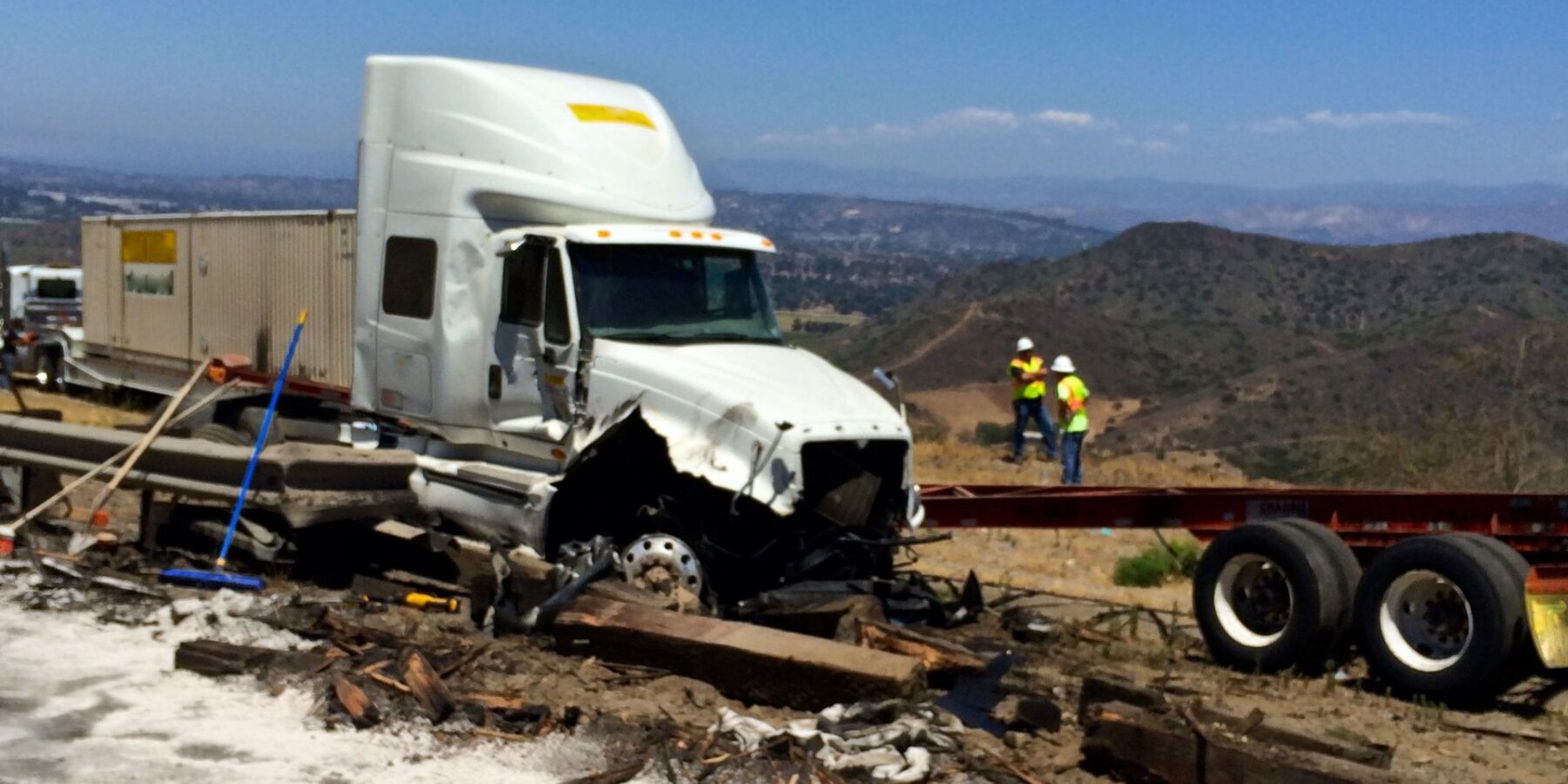
Sun City Truck Accident Lawyers
Sun City Truck Accident Lawyers at Desert Star Law focus on commercial crash claims that often involve bigger impacts, more defendants, and faster-moving insurance decisions than ordinary collisions. Truck traffic in and around Sun City runs along Grand Avenue, Bell Road, and the routes that connect toward Loop 101 and Loop 303, where steady speeds and wide intersections can turn a single error into a high-force collision. A sudden lane change near a shopping corridor, a late stop approaching a signal, or a wide right turn into a plaza entrance can place a passenger vehicle in a truck’s blind zone with almost no margin to recover. These cases demand a plan that matches commercial operations, not a one-size approach built for standard car accident claims.
Desert Star Law builds Sun City truck cases around clear responsibility and defensible damages proof that holds up under Arizona fault rules and real settlement scrutiny. Commercial wrecks often involve records and parties that do not exist in typical crashes, including motor carriers, contractors, maintenance providers, and sometimes loading companies. We focus on identifying every responsible party, preserving the evidence that commercial insurers rely on, and documenting injuries in a way that reflects long recovery timelines and future care exposure. When the file stays organized and trial-ready, insurers have less room to delay, dilute fault, or pressure a quick settlement that fails to match the true harm.
To speak with Sun City Truck Accident Lawyers at Desert Star Law, call (602) 755-9760 for a free consultation today, and remember, we fight harder because we care more.
Desert Star Represents These Arizona Truck Accident Cases
Truck cases in Sun City come in distinct categories, and each category changes how you prove liability, identify defendants, and value long-term harm under Arizona rules. The vehicle type, the cargo, and the purpose of the trip can affect which safety standards apply and which records matter most. Some crashes turn on simple right-of-way duties, while others involve equipment condition, dispatch pressure, or cargo decisions that increase danger on the road. Desert Star Law organizes these cases by crash type so the claim targets the right parties and develops proof that fits the commercial context.
Semi-Truck and Tractor-Trailer Collisions on Sun City Corridors
Tractor-trailer crashes often involve higher force and more complex liability questions because the operation includes a driver, a motor carrier, and sometimes third parties who control loading and maintenance. On long corridors like Grand Avenue and the wide approaches near Bell Road, these rigs need longer stopping distance and more space to turn, and small timing errors can create catastrophic outcomes. These cases often require early identification of the carrier, the trailer owner, and any logistics contractor tied to the run. Arizona fault allocation allows multiple parties to share responsibility, so a case plan should account for that from the start.
Jackknife and Loss-of-Control Truck Accidents in the Sun City Area
Jackknifes and loss-of-control events can occur when a driver brakes hard, the trailer unloads traction, or the rig enters a turn too fast for conditions. These crashes often create multi-vehicle harm because the trailer swings into adjacent lanes and blocks escape routes. Liability may involve speed choice, braking technique, and equipment condition, and the proof often requires showing what the driver should have anticipated on that roadway. Arizona claim handling tends to treat these cases seriously when the evidence supports preventable control loss rather than an unavoidable emergency.
Proving a Preventable Control Loss Under Arizona Negligence Principles
A strong file ties the loss-of-control event to an identifiable breach, such as unsafe speed for conditions, delayed braking, or poor lane management. Physical evidence and post-crash vehicle condition can show whether the truck responded normally or whether defects or maintenance problems contributed. The case improves when the narrative explains how a careful commercial operator would have avoided the chain reaction. When the proof stays specific, insurers have less room to dilute the claim with broad arguments about surprise conditions.
Underride and Override Crashes Involving Trailers and Smaller Vehicles
Underride and override dynamics often produce severe injuries because they compromise the passenger compartment and create concentrated trauma. These collisions raise questions about trailer visibility, braking behavior, and whether safety equipment functioned as intended. Sun City’s wide lanes and steady speeds can increase the risk when a smaller vehicle approaches a trailer with limited time to react. Arizona damages claims become more complex here because long-term impairment and future care projections often become central to valuation.
Using Vehicle Geometry and Visibility Factors to Support Liability and Damages
These cases benefit from clear documentation of impact height, contact points, and lighting or conspicuity factors that influenced perception. The file should connect geometry and visibility to the driver’s duties, including safe speed choice and reasonable lookout. Medical evidence should also align with the mechanism because insurers often challenge severe harm by pointing to limited exterior damage. When the record matches mechanics to injury, settlement posture strengthens.
Delivery Trucks and Box Truck Crashes Near Sun City Shopping and Medical Corridors
Box trucks and delivery vehicles create risk through frequent stops, wide turns into plazas, and quick lane changes to reach entrances. These vehicles often operate under schedule pressure, which can lead to rushed merges, backing events, and late braking near intersections. Liability can involve the driver and the employer, and it can also involve maintenance practices when braking or steering problems contribute. Arizona law focuses on reasonable care, and commercial drivers still carry heightened responsibility because they operate larger, more dangerous vehicles in public traffic.
Wide Right Turns and Squeeze Accidents at Sun City Commercial Entrances
Wide turns create danger when a truck swings across lanes or tightens the turn late, trapping a smaller vehicle between the truck and the curb line. These crashes often happen near shopping corridor entrances where drivers rush to hit a driveway opening. Fault proof improves when the file shows lane position before the turn, turn signal use, and whether the truck created a foreseeable squeeze zone. Arizona duty analysis supports liability when a commercial driver fails to complete a turn safely and predictably.
Establishing the Turn Sequence With Lane-Position and Impact Evidence
Impact points and scrape patterns can show whether the truck drifted into the smaller vehicle’s lane or tightened the turn after initiating it. Witnesses and camera footage can also confirm whether the truck set up properly or forced the movement abruptly. The claim stays stronger when it frames the crash as a preventable sequence choice rather than a mutual miscommunication. When the turn narrative stays clear, insurers have fewer ways to argue shared fault without proof.
Backing Accidents and Loading-Area Collisions Involving Commercial Vehicles
Backing incidents can occur in parking lots, loading zones, and service areas where visibility changes fast and pedestrians or vehicles move unpredictably. These crashes can involve drivers who fail to use spotters, fail to check surroundings, or back without adequate warning. Arizona negligence principles still apply, and the key question is whether the commercial driver acted reasonably given the known risks of backing a large vehicle. Evidence often centers on visibility, warning signals, and whether the driver had a safer alternative.
Documenting Visibility Limits and Safety Steps in an Arizona Backing Crash Claim
A strong claim identifies what the driver could see, what the driver did to compensate for blind zones, and whether the driver followed reasonable safety procedures. Photos of the area and vehicle position can help show why backing required extra caution. Witness statements often matter because they can confirm whether the driver backed quickly or without warning. When documentation shows a preventable backing hazard, liability becomes easier to establish.
Construction and Work Truck Accidents With Multi-Party Liability Exposure
Work trucks and construction vehicles can create added complexity because multiple companies may control the driver, the vehicle, and the job site operations. These cases often involve mixed purposes, such as hauling materials, moving equipment, or transporting workers. Liability may expand to employers, contractors, and maintenance providers depending on how the crash occurred and what safety steps were in place. Arizona allows fault allocation among multiple responsible parties, so identifying the operational chain matters.
Unsafe Loads, Equipment Movement, and Work-Zone-Related Truck Collisions
Unsafe loads can change handling, increase stopping distance, and create spill or debris hazards that trigger secondary crashes. Equipment movement and shifting cargo can also contribute to rollovers and jackknife events, especially when the truck accelerates or brakes suddenly. Work-zone related collisions can involve roadway narrowing, confusing traffic control, or abrupt lane shifts that demand higher caution from commercial drivers. A strong case plan identifies whether the crash involved load decisions, work-zone planning, or both.
Targeting the Right Defendants Through Operational Responsibility Mapping
Liability often depends on who controlled the load, who directed the route, and who maintained the vehicle. The claim should map responsibility so the case does not get boxed into a single-driver narrative when company decisions contributed. Records tied to dispatch, loading, and maintenance can clarify where control sat and which safety policies should have applied. When the defendant list matches operational reality, settlement capacity often increases and negotiation leverage improves.
Commercial Insurance Disputes That Often Follow Arizona Truck Accidents
Truck cases frequently involve aggressive insurance positions because commercial carriers want to limit exposure early. Adjusters may push quick resolution, contest medical necessity, or argue comparative fault to reduce payout. Arizona’s fault allocation framework gives the defense an incentive to spread blame across multiple parties, including the injured driver. A strong claim posture anticipates those tactics and builds the file to keep responsibility and damages clear.
Handling Multiple Policies, Multiple Defendants, and Coverage Priority Questions
Commercial crashes can involve separate policies for the tractor, the trailer, the employer, and third-party contractors. Coverage priority can affect how negotiations proceed and how settlements get structured when multiple carriers share risk. The claim stays stronger when it presents a unified story of liability and damages that each carrier can evaluate without relying on another insurer’s conclusions. When the file stays consistent, carriers have fewer excuses to delay while pointing at each other.
The Unique Dangers of Large Trucks in Residential and Retirement Communities
Large trucks create distinct safety risks in Sun City because community roadways prioritize local access, steady turning movement, and frequent crossings rather than long-haul traffic flow. Many routes in and around residential and retirement areas include narrower lanes, short blocks, and repeated intersections where drivers expect slower neighborhood behavior. A truck driver who carries highway habits into these settings can create outsized danger through wide turns, delayed braking, and blind-spot lane drift. Arizona negligence principles still apply in the same way, but the reasonableness analysis often becomes sharper when a commercial driver fails to adjust to a community environment with vulnerable road users.
Traffic Mix Problems in Sun City Communities Increase Truck Collision Risk
Sun City traffic often includes drivers moving at lower speeds, vehicles entering from short driveways, and crossings that require frequent yielding. This mix can create conflict when a large truck attempts to keep momentum through an area where predictable stopping and careful spacing matter more than speed. The risk rises further when the roadway includes multiple turn opportunities close together, which can lead to sudden lane positioning and abrupt braking. Arizona traffic rules require safe speed and attentive control, and these community dynamics often show why a commercial driver needed to slow down and plan movements earlier.
Golf Cart and Pedestrian Presence Changes the Duty of Care Around Trucks
Sun City’s travel environment often includes golf carts and pedestrians in areas where drivers must expect slower movement and more frequent crossings. Large trucks have limited braking flexibility and larger blind zones, which means a small misjudgment can create severe harm at low-to-moderate speeds. A truck driver should anticipate these conditions and keep more space, reduce speed, and avoid aggressive lane changes. Arizona negligence analysis tends to favor liability when a commercial driver ignores known community traffic patterns and creates a preventable hazard.
Proving Foreseeability When Vulnerable Road Users Share the Road in Sun City
Foreseeability matters because it ties the driver’s obligation to the real setting rather than a generic “accident happened” story. Evidence that shows the truck traveled through a residential zone with clear cues for slower traffic can support the argument that the driver needed additional caution. Witness statements and scene context can confirm whether the truck moved too fast for the environment or failed to yield where people routinely cross. When the case shows a predictable risk, insurers have fewer ways to argue the collision occurred without negligence.
Frequent Residential Turns and Short-Block Spacing Create High-Risk Decision Windows
Short spacing between entrances and intersections increases the likelihood that a truck will need to reposition quickly. When a commercial driver misses an entrance, the temptation to make a last-second correction rises, and those corrections can include abrupt braking or wide turns that affect adjacent lanes. Passenger vehicles in Sun City often travel with less aggressive spacing, which means sudden truck movement can create chain reactions. Arizona rules about safe turning and safe lane movement become central when a truck driver makes a correction without sufficient clearance.
Using Turn Setup and Lane-Position Evidence to Show an Unsafe Commercial Maneuver
Turn setup matters because trucks need space to complete turns safely, and improper setup can create squeeze zones or lane encroachment. Physical evidence can show whether the truck drifted across lane lines, tightened a turn late, or forced another vehicle into the curb line. The claim becomes stronger when the file shows that the truck had safer options, such as slowing earlier or waiting for a clear opening. When the evidence supports poor setup, liability becomes easier to prove under Arizona standards.
Blind Zones and Turning Radius Problems in Sun City Truck Accident Claims
Large trucks carry blind spots that expand the risk of sideswipes, run-offs, and turn-related crashes in tight roadway environments. Residential areas often include parked vehicles, landscaping, and visual clutter that can make it harder for a truck driver to track smaller vehicles and pedestrians. Wide turning radius also creates danger when a truck swings out, then cuts back in near curbs and corners that other drivers assume remain safe. Arizona duty analysis focuses on safe movement and proper lookout, and blind-zone dynamics often show why the truck needed more caution.
Right-Turn Squeeze Accidents Near Curbs, Medians, and Community Entrances
Squeeze accidents occur when a truck swings wide and traps a smaller vehicle between the truck and the curb line or median. This risk increases near community entrances and shopping corridors where curb geometry and turn pockets compress space. A truck driver must manage lane position and signaling to prevent other vehicles from entering a dangerous zone. Arizona negligence principles support liability when a commercial driver creates a foreseeable squeeze hazard through poor turn execution.
Showing the Smaller Vehicle Had No Safe Escape Path During the Turn
The most persuasive evidence shows that the smaller vehicle could not safely move away once the truck began the turn sequence. Impact points, scrape patterns, and lane markings can clarify how the truck moved and why the squeeze became unavoidable. Witness accounts can also confirm whether the truck signaled late or initiated the turn abruptly. When the claim documents the lack of an escape path, insurers have fewer options to argue shared blame.
Truck Crashes Involving Lane-Change Sideswipes and Drift Collisions in Sun City
Sideswipes occur when a truck drifts or changes lanes without confirming clearance, often because the driver focuses forward and assumes adjacent space remains empty. In community traffic, vehicles may sit in blind spots longer because speed differences stay small, and that increases the risk of lateral contact. These crashes can still cause severe injury because the force can push a vehicle into curbs, other cars, or fixed objects. Arizona safe lane-change duties apply directly, and proof often turns on impact alignment and witness observations.
Establishing Occupied-Lane Proof to Defeat “I Didn’t See Them” Defenses
Insurers often treat blind-spot claims as ambiguous unless the file includes proof that the smaller vehicle occupied the lane before the truck moved. Damage alignment, scrape direction, and rest positions can clarify who initiated the lateral movement. A consistent witness statement can also confirm that the truck drifted or cut over without signaling. When the case shows occupied-lane contact, the defense loses a common blame-shifting path.
Delivery Schedules and Stop Patterns Create Additional Truck Crash Risk Near Sun City Homes
Many large trucks in residential areas involve deliveries, service calls, or construction supply movement rather than long-haul travel. These trucks often stop, pull over, back, and re-enter traffic repeatedly, which creates predictable hazard points on community streets. Backing events and curbside stops can be especially risky when drivers rush to complete a route or choose convenience over a safe stopping position. Arizona negligence analysis focuses on reasonable care during stopping and backing, and these cases often hinge on whether the driver used appropriate caution for the setting.
Backing and Loading-Area Incidents in Residential Zones
Backing collisions can occur in driveways, near cul-de-sacs, and along service lanes where visibility changes quickly. A commercial driver should treat backing as a high-risk maneuver and take steps to confirm clearance before moving. Sun City’s residential environment adds risk because pedestrians and golf carts can appear unexpectedly in the backing path. When the evidence shows the driver backed without adequate precautions, liability becomes stronger under Arizona standards.
Documenting Safety Steps and Visibility Limits to Support a Negligence Theory
A strong claim identifies what the driver could see and what steps the driver took to reduce blind-zone risk. Photos, measurements, and witness accounts can show whether the driver had a safer alternative, such as repositioning or using a spotter. The claim also benefits from clear documentation of warnings, lighting, and the driver’s speed during the backing maneuver. When the file shows preventable backing risk, insurers have fewer ways to argue the collision happened without fault.
Call Desert Star to Represent Your Sun City Truck Accident Claim
A Sun City truck claim needs a focused approach because commercial carriers and defense teams begin shaping the file immediately, often before the injured person understands the full medical and financial impact. Crashes around Grand Avenue, Bell Road, and the corridors feeding Loop 101 and Loop 303 can produce high-force injuries, complicated fault questions, and multiple responsible parties tied to the truck’s operation. Desert Star Law builds these Sun City cases with a clear plan that matches Arizona practice, which means we identify the decision that caused the crash, track every liable party, and support damages with records that hold up under real settlement scrutiny. That preparation matters because commercial claims tend to rise or fall on how well the file documents what happened and what the injury will cost over time.
We also understand the local dynamics that can make Sun City truck collisions especially disruptive, including community traffic patterns, frequent turning movement, and the presence of vulnerable road users that raise the stakes when a large vehicle makes a mistake. When the defense tries to spread blame or reduce the claim to a quick payment, we keep the focus on provable responsibility and on a damages picture that reflects long recovery arcs, future care exposure, and practical limits on work and daily function. Our goal is not to create noise, it is to present a disciplined case that forces a realistic evaluation and stays ready for litigation if negotiations stall. That is how Desert Star positions Sun City truck cases for maximum settlement outcomes.
To speak with Sun City Truck Accident Lawyers at Desert Star Law, call (602) 755-9760 for a free consultation today, and remember, we fight harder because we care more.
Practice Areas
Trust Us With Your Personal Injury Claim


Contact usfor a free consultation.
Phone: (602) 755-9760