
Litchfield Park Car Accident Lawyers
Many types of auto accidents contribute to Litchfield car accident claims. Each accident is unique, and each case will be handled differently. Victims affected by hit-and-run accidents in Litchfield Park may worry that they won’t be able to recover any damages due to the nature of the incident, but there are still options available after sustaining an injury in a hit-and-run. An experienced car accident attorney is essential for navigating situations like these, as understanding your legal options and settlement negotiating practices ensures you receive the best outcome possible for your case.
At Desert Star Law Group, we provide trusted legal advice for victims of hit-and-runs, multi-vehicle crashes, rollovers, and a myriad of other accident types. Call us today at (602) 755-9760 to schedule a free case review. Knowing where to start when filing a personal injury claim in Litchfield Park isn’t always easy, but we can help you every step of the way.
Options After A Hit-and-Run Accident in Litchfield Park
A hit-and-run accident is one of the most stressful experiences a driver can face. Beyond the physical injuries and property damage, victims are often left feeling confused, angry, and uncertain about how to recover compensation when the at-fault driver has fled the scene. In Litchfield Park, these accidents are taken seriously under Arizona law, and victims still have legal options even when the responsible party cannot be immediately identified. Our Litchfield Park car accident lawyers at Desert Star Law Group help victims understand their rights, locate potential sources of compensation, and pursue justice through every available legal avenue.
Understanding Hit-and-Run Laws in Arizona
Arizona law requires every driver involved in a car accident to stop, remain at the scene, and exchange information. Leaving without doing so is considered a crime, with penalties that increase depending on the severity of the injuries or damages involved. Even though the fleeing driver violates the law, victims must still take steps to protect their own rights and begin the claims process as soon as possible.
The Legal Definition of a Hit-and-Run Accident
A hit-and-run occurs when a driver causes an accident and then leaves the scene without identifying themselves or assisting those who are injured. This can happen in parking lots, intersections, highways, or residential neighborhoods. Whether the driver flees on foot or drives away, their failure to report the incident creates both criminal and civil implications.
Criminal Consequences for Fleeing the Scene
Drivers who flee the scene of an accident face severe penalties under Arizona law, including fines, license suspension, and possible imprisonment. However, while the state pursues criminal charges, victims can still file separate civil claims for compensation. Attorneys guide victims through these dual processes to ensure their financial recovery is prioritized.
The Role of Law Enforcement in Hit-and-Run Investigations
Law enforcement officers play a key role in gathering evidence after a hit-and-run. They collect statements, review surveillance footage, and analyze vehicle debris to identify the driver. Attorneys coordinate with investigators and use the findings to strengthen the victim’s case.
Immediate Steps to Take After a Hit-and-Run in Litchfield Park
The moments following a hit-and-run are critical. Knowing what to do immediately after the accident helps preserve evidence and improves the chances of locating the responsible driver.
Contacting Law Enforcement Right Away
Victims should call 911 as soon as it is safe to do so. Reporting the incident promptly ensures that a police report is filed and that officers begin their investigation while evidence is still fresh. This documentation becomes essential when filing an insurance claim or civil lawsuit.
Gathering Information About the Fleeing Vehicle
Even small details can help identify the driver who fled. Information such as the color, make, model, and partial license plate of the vehicle can be vital. Witness statements, nearby surveillance cameras, and photos taken at the scene can all provide valuable leads for investigators.
Seeking Medical Treatment as Soon as Possible
Even if injuries seem minor, seeking immediate medical attention is important for both health and documentation. Medical records create a link between the accident and the injuries, which helps establish the damages portion of the claim later.
Uninsured Motorist Coverage and Other Insurance Options
When a fleeing driver cannot be identified, victims may still be able to recover compensation through their own insurance coverage. Arizona drivers are required to carry certain minimum levels of auto insurance, and optional policies like uninsured motorist coverage can provide crucial financial support after a hit-and-run.
How Uninsured Motorist Coverage Works in Arizona
Uninsured motorist coverage (UM) is designed to protect victims when the at-fault driver either has no insurance or cannot be located. This coverage can pay for medical expenses, lost wages, and pain and suffering just as if the other driver had been identified and insured. Attorneys review insurance policies in detail to determine what coverage applies to each case.
Underinsured Motorist and Collision Coverage
If the fleeing driver is later identified but lacks sufficient insurance to cover the full extent of the damages, underinsured motorist coverage (UIM) can fill the gap. Collision coverage can also be used to pay for vehicle repairs regardless of who caused the accident. Lawyers help clients navigate these policies and ensure claims are filed correctly and on time.
How Attorneys Handle Insurance Negotiations
Insurance companies sometimes resist paying full value under UM or UIM policies, arguing that coverage does not apply or that damages are less than claimed. Attorneys counter these arguments with documentation, medical records, and expert opinions to secure the maximum compensation available under the policy.
When the Fleeing Driver Is Identified
In some hit-and-run cases, law enforcement successfully identifies the driver responsible for the accident. Once the driver is located, the victim can pursue a traditional personal injury claim or lawsuit based on negligence.
Filing a Claim Against the At-Fault Driver
When the driver is found, the legal process proceeds like any other car accident case. Attorneys gather evidence, submit insurance claims, and negotiate for compensation that covers both economic and non-economic damages. The claim may include costs for medical treatment, property repair, lost income, and emotional distress.
Pursuing Civil Remedies Alongside Criminal Charges
If the driver faces criminal charges for leaving the scene, victims can still pursue civil compensation independently. The outcome of the criminal case does not determine the victim’s right to financial recovery. Attorneys coordinate with prosecutors when necessary to ensure that civil and criminal processes do not interfere with one another.
Recovering Additional Damages in Severe Cases
When a driver’s behavior is particularly reckless, such as fleeing the scene while intoxicated, victims may be eligible for punitive damages. These damages are intended to punish the wrongdoer and discourage similar conduct. Attorneys evaluate whether this additional compensation may apply based on the evidence in the case.
Challenges in Litchfield Park Hit-and-Run Claims
Proving a hit-and-run claim presents unique challenges. With the at-fault driver absent, insurance companies may attempt to limit payouts, and evidence must be handled carefully to avoid disputes over fault.
Gathering Evidence Without the Other Driver
Attorneys work to collect as much evidence as possible from available sources such as police reports, witness accounts, and nearby security cameras. They may also consult accident reconstruction specialists to piece together how the crash occurred based on physical evidence at the scene.
Dealing With Insurance Company Delays
Insurance providers sometimes delay processing hit-and-run claims while they wait for more information from law enforcement. Lawyers follow up regularly and apply pressure when necessary to keep the claim moving forward.
The Importance of Legal Representation
Without legal assistance, victims can struggle to navigate insurance coverage and communication with adjusters. A Litchfield Park car accident lawyer ensures that clients understand their rights and that insurance companies fulfill their obligations.
How a Litchfield Park Car Accident Lawyer Helps Hit-and-Run Victims
Having an attorney involved early makes a significant difference in the outcome of a hit-and-run case. Lawyers not only handle insurance claims but also assist with investigations, coordinate with law enforcement, and pursue all available recovery options.
Conducting Independent Investigations
Attorneys may conduct their own investigations to locate the fleeing driver, reviewing surveillance footage, contacting witnesses, and working with private investigators when needed. These efforts can uncover evidence that law enforcement missed and strengthen the claim for damages.
Managing Every Step of the Claim
From filing insurance paperwork to negotiating settlements, lawyers handle all administrative and legal tasks so clients can focus on healing. They make sure no deadlines are missed and that every communication with insurers is documented and accurate.
Providing Guidance and Support Throughout Recovery
Beyond managing the legal process, attorneys serve as advocates and advisors, helping clients understand what to expect and what options are available at each stage. Their guidance provides peace of mind and ensures that victims are never left to handle the aftermath alone.
Steps Victims Can Take to Protect Their Rights
Although attorneys handle most of the legal process, there are steps victims can take to protect their own claims and make the recovery process smoother.
Keeping All Documentation Organized
Victims should keep copies of medical records, receipts, police reports, and correspondence with insurers. These documents provide essential proof of damages and ensure that no detail is overlooked during negotiations.
Following Medical and Legal Guidance
Staying consistent with treatment and following the attorney’s recommendations can strengthen the claim. Insurers often look for inconsistencies in recovery or communication to justify lower settlements, so ongoing compliance helps maintain credibility.
Understanding the Value of Patience in Legal Claims
Hit-and-run cases can take time, especially when investigations are ongoing. Patience allows attorneys and investigators to gather the strongest possible evidence and pursue every available source of compensation without rushing to a premature settlement.

How Personal Injury Claim Settlement Negotiations Work
After a car accident in Litchfield Park, many victims expect insurance companies to quickly offer fair compensation for their losses. Unfortunately, the reality is often very different. Settlement negotiations are a careful process that can take time and persistence to reach a fair outcome. Understanding how these negotiations work helps victims make informed decisions and recognize the value of having an attorney who can handle the process professionally. A Litchfield Park car accident lawyer manages every stage of negotiation, from preparing the initial claim to reviewing final settlement terms, ensuring the victim’s rights are fully protected.
The Settlement Process After a Litchfield Park Car Accident
The process of reaching a settlement begins once an insurance claim has been filed and all necessary documentation has been submitted. Settlement negotiations typically involve the victim, their attorney, and representatives from the insurance company who evaluate the claim’s validity and value.
How Settlements Differ From Lawsuits
A settlement allows the injured party to recover compensation without going to court. Unlike a lawsuit, which can take months or years to resolve, settlements often occur through structured discussions between the attorney and the insurer. Although faster, these discussions must be handled carefully to ensure that victims receive the full amount they are entitled to under Arizona law.
Why Negotiations Are Often Necessary
Even when fault is clear, insurance companies rarely agree to pay the full value of a claim right away. They often make low initial offers in hopes that the victim will settle quickly. Attorneys use their experience and evidence to challenge these offers, pushing for a resolution that fully accounts for medical costs, lost income, and emotional suffering.
The Importance of Timing in Settlement Discussions
Negotiations often begin once the victim has completed medical treatment or reached maximum medical improvement. This ensures that all costs are known before discussions about settlement value begin. Attorneys monitor this timing closely to prevent premature offers that fail to cover future expenses.
Building a Strong Foundation for Negotiations
A fair settlement starts with thorough preparation. Before entering discussions, attorneys spend time collecting evidence, calculating damages, and organizing documentation that supports every aspect of the claim.
Gathering Essential Evidence
Evidence provides the foundation for any negotiation. Police reports, photos of the accident, medical bills, and witness statements all demonstrate how the crash occurred and what damages resulted. A well-documented claim makes it harder for insurance companies to dispute liability or downplay the victim’s injuries.
Evaluating Medical Records and Expert Opinions
Medical documentation is one of the most important components of settlement negotiations. Attorneys review every medical report, diagnostic image, and treatment plan to calculate the total cost of care. They may also consult with medical experts to confirm that the injuries are consistent with the nature of the accident and to determine the likelihood of future treatment needs.
Calculating the Full Value of the Claim
Attorneys calculate both economic and non-economic damages before beginning negotiations. This includes measurable costs like medical bills and lost wages, as well as intangible losses such as pain and suffering. A clear understanding of the claim’s value allows the lawyer to negotiate confidently and effectively on behalf of their client.
Submitting a Demand Letter to the Insurance Company
Once all evidence is collected and damages are fully evaluated, the attorney sends a demand letter to the insurance company. This letter outlines the facts of the accident, the injuries sustained, and the total amount of compensation being requested.
What the Demand Letter Should Include
A strong demand letter includes details about the accident, the at-fault party’s negligence, the resulting injuries, and a breakdown of the damages. Supporting evidence, such as medical records and proof of income loss, is attached to strengthen the argument. Attorneys write the letter in a clear and persuasive tone, emphasizing the seriousness of the claim.
The Strategy Behind the Demand Amount
The amount listed in a demand letter is often higher than what the attorney expects to settle for. This allows room for negotiation while still setting a realistic baseline for discussions. The demand must be supported by evidence so the insurer understands that the figure is based on factual and documented losses.
How the Demand Letter Shapes the Negotiation
The tone and structure of the demand letter set the stage for the rest of the process. A detailed and professional presentation signals that the attorney is prepared to take the case further if needed, encouraging insurers to treat the claim seriously from the beginning.
The Insurance Company’s Response
After receiving the demand letter, the insurance company reviews the claim and responds with either an acceptance, a counteroffer, or a denial. Most responses fall short of the requested amount, making further negotiation necessary.
How Insurers Evaluate Claims
Insurance companies use internal formulas and adjuster evaluations to determine what they believe a case is worth. They may downplay injuries, question the necessity of medical treatment, or argue that the victim was partially at fault. Attorneys anticipate these strategies and counter them with documentation and legal arguments that highlight the insurer’s responsibility.
Recognizing Common Insurance Tactics
Insurers often delay responses or request unnecessary paperwork to frustrate claimants. They may offer early settlements that seem reasonable but fail to account for long-term expenses. Attorneys ensure that clients are not pressured into accepting these offers prematurely.
Preparing a Counteroffer
When a counteroffer is made, the attorney reviews it against the actual damages and responds with a detailed explanation of why it falls short. Counteroffers typically include additional evidence and a new settlement figure supported by facts.
The Back-and-Forth Negotiation Process
Negotiations often involve several rounds of offers and counteroffers as both sides work toward an agreement. The process requires patience and persistence, especially when the insurer resists paying the full value of the claim.
How Attorneys Communicate With Insurance Adjusters
Attorneys handle all communication with insurance adjusters to prevent misstatements or misunderstandings that could harm the claim. They maintain a professional tone while firmly standing by their client’s right to fair compensation.
Evaluating Progress in Settlement Talks
Throughout negotiations, attorneys assess whether the insurer is acting in good faith and whether additional pressure, such as the threat of litigation, may be needed. Each step in the process is documented to maintain transparency and strengthen the case if it proceeds to court.
The Importance of Remaining Patient
Negotiations can take weeks or months, depending on the complexity of the case and the insurer’s cooperation. Attorneys encourage clients to remain patient, as rushing to settle often results in less compensation than deserved.
Mediation as a Step Toward Resolution
If both parties struggle to reach an agreement through direct negotiation, mediation may be the next step. Mediation allows for structured discussion guided by a neutral third party who helps facilitate communication.
How Mediation Helps Resolve Car Accident Claims
During mediation, both sides present their positions and review the evidence with the mediator’s assistance. The mediator helps bridge the gap between offers and demands without imposing a decision. Attorneys prepare carefully for mediation, focusing on the strongest aspects of their client’s case.
Benefits of Mediation Over Trial
Mediation provides an opportunity for a faster, more cost-effective resolution than litigation. It allows for creative settlement solutions that might not be available through the court system. Attorneys often achieve fair settlements in mediation, saving clients from the uncertainty of trial.
What Happens If Mediation Fails
If mediation does not result in an agreement, attorneys are prepared to continue negotiations or file a lawsuit. The discussions that take place during mediation often reveal valuable information that can be used to strengthen the client’s position moving forward.
Finalizing a Settlement Agreement
Once both parties agree on the amount of compensation, the settlement is finalized in writing. This agreement outlines the terms of payment and includes a release that prevents future claims related to the same accident.
Reviewing the Terms of the Agreement
Attorneys review every clause in the settlement agreement to ensure the terms are fair and that no hidden conditions disadvantage the client. They confirm that all types of compensation discussed are included in the final amount.
Processing the Final Payment
After the agreement is signed, the insurance company issues payment within a designated period. Attorneys oversee this process, verify that any medical liens or outstanding bills are resolved, and ensure clients receive their portion promptly.
Understanding the Finality of Settlement Agreements
Once a claim is settled, the victim cannot reopen the case for additional compensation later. Attorneys make certain that clients are fully satisfied with the terms before completing the agreement to prevent regrets or future disputes.
Why Legal Representation Improves Settlement Outcomes
Having an experienced attorney often results in higher settlements because lawyers know how to evaluate damages accurately and hold insurers accountable. Victims represented by attorneys generally recover more compensation than those who negotiate on their own.
Experience With Insurance Company Tactics
Attorneys understand how insurers assess risk and where they try to cut costs. This insight allows lawyers to anticipate arguments and counter them effectively. Their experience ensures that clients do not fall for misleading statements or undervalued offers.
Maximizing Compensation Through Preparation
A well-prepared attorney uses evidence, expert testimony, and strong negotiation skills to secure full and fair compensation. Their goal is to achieve a result that reflects the true financial, emotional, and physical impact of the accident.
Peace of Mind During a Difficult Process
Having a lawyer handle the negotiation process provides reassurance and reduces stress. Clients can focus on their recovery knowing that an experienced advocate is fighting for their rights and ensuring that no opportunity for compensation is missed.
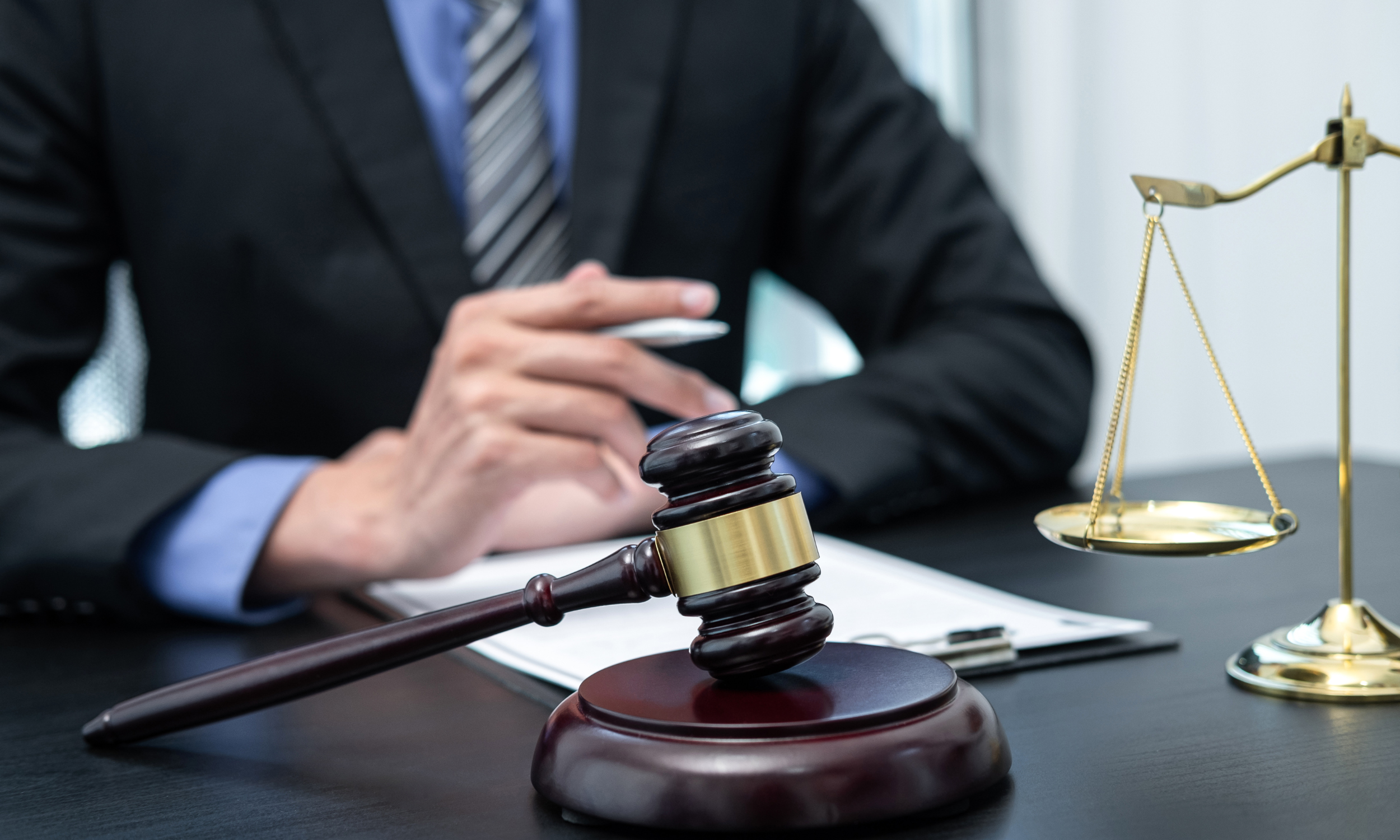
Role of a Litchfield Park Car Accident Attorney
After a car accident in Litchfield Park, many victims face overwhelming challenges such as medical expenses, time away from work, and the stress of dealing with insurance companies that often try to limit payouts. A Litchfield Park car accident attorney plays a crucial role in protecting victims’ rights and helping them secure full compensation for their injuries and losses. Attorneys do far more than file paperwork; they handle every part of the legal process with precision, ensuring clients are informed, supported, and represented throughout their recovery journey.
Conducting a Comprehensive Investigation
The foundation of every successful car accident claim is a thorough and accurate investigation. A Litchfield Park car accident lawyer begins by collecting every piece of evidence available to build a clear understanding of what happened and who is responsible.
Gathering Critical Evidence
Evidence is essential to proving liability and damages. Attorneys collect police reports, traffic camera footage, photographs, and statements from witnesses. They may also request black box data from vehicles or phone records to determine whether distracted driving played a role in the crash. The goal is to create an irrefutable chain of proof that demonstrates how negligence caused the accident.
Working With Experts and Reconstruction Specialists
In more complex cases, attorneys collaborate with professionals such as accident reconstruction specialists, engineers, or medical experts. These experts analyze physical evidence and provide detailed reports that support the client’s version of events. Their insights often clarify disputed details, making it easier to establish fault and strengthen the claim.
Preserving Evidence Early in the Process
Time is critical after a car accident. Attorneys act quickly to preserve important evidence before it can be lost, altered, or destroyed. This proactive approach gives victims a stronger foundation for negotiations and prevents insurers from questioning the accuracy of the facts later in the process.
Establishing Liability and Proving Negligence
One of the most important roles of a car accident attorney is proving who was at fault for the collision. Determining liability requires applying Arizona’s negligence laws and connecting the responsible party’s actions directly to the injuries sustained by the victim.
Understanding Arizona’s Comparative Negligence Law
Arizona follows a comparative negligence rule, which means that victims can recover compensation even if they share part of the blame for an accident. However, the total compensation is reduced based on the percentage of fault assigned. Attorneys work to minimize any blame placed on their clients and focus on proving that the other driver’s negligence was the primary cause of the crash.
Demonstrating Breach of Duty and Causation
To establish negligence, attorneys must prove that the other driver owed a duty of care, breached that duty, and caused the accident as a direct result. This is done through evidence such as traffic violations, eyewitness accounts, and expert testimony. The attorney’s role is to connect these details in a way that clearly illustrates the chain of events that led to the injuries.
Handling Shared Fault Disputes
In cases where multiple drivers are involved, insurers often attempt to shift blame. Attorneys carefully review the evidence to demonstrate that their client’s actions were reasonable and that any fault attributed to them is minimal. This helps protect the client’s ability to recover maximum compensation.
Communicating and Negotiating With Insurance Companies
Insurance companies often present themselves as helpful, but their primary goal is to pay as little as possible on each claim. A Litchfield Park car accident attorney acts as the client’s representative during all communications with insurers, ensuring that no statement or document can be used against the victim.
Handling All Correspondence and Statements
Once an attorney takes over the case, all communication with the insurance company goes through them. This eliminates the risk of a victim saying something that could weaken the claim. Attorneys prepare and submit all required documentation accurately and on time, keeping the case organized and on track.
Negotiating for a Fair Settlement
Negotiating with insurance adjusters requires skill and preparation. Attorneys present evidence of the client’s damages, including medical expenses, lost wages, and pain and suffering, to justify the full settlement amount being requested. They push back against lowball offers and delays, ensuring that negotiations remain productive and in good faith.
Identifying Bad Faith Insurance Practices
Sometimes, insurers delay, deny, or undervalue valid claims without reasonable cause. Attorneys recognize when these bad faith tactics occur and take appropriate legal action to hold the insurance company accountable. Their knowledge of Arizona’s insurance laws helps ensure that clients are treated fairly throughout the process.
Calculating the Full Extent of Damages
A skilled car accident attorney understands that the true cost of an accident goes far beyond the immediate medical bills. Their role is to calculate the total impact of the accident on the victim’s life, both now and in the future.
Assessing Economic Damages
Economic damages include quantifiable financial losses such as hospital bills, rehabilitation costs, vehicle repairs, and lost income. Attorneys gather all receipts, invoices, and employment records to calculate these losses accurately. They also work with financial experts when necessary to estimate long-term expenses related to ongoing care or disability.
Evaluating Non-Economic Damages
Non-economic damages account for the emotional and psychological effects of the accident, including pain and suffering, emotional distress, and loss of enjoyment of life. Attorneys use detailed personal accounts and medical evaluations to demonstrate the depth of these non-financial hardships.
Considering Future and Long-Term Damages
Serious injuries may have lasting effects that extend far beyond the initial recovery period. Attorneys factor in future medical costs, potential loss of earning capacity, and reduced quality of life when negotiating or litigating for compensation.
Representing Clients During Settlement Negotiations
Settlement negotiations are often the most delicate stage of a car accident claim. The attorney’s ability to communicate effectively and remain firm in their client’s position can significantly influence the final outcome.
Preparing for Negotiation
Preparation is key to successful settlement discussions. Attorneys ensure that every piece of evidence is organized and that damages are supported by solid documentation. They enter negotiations with a clear understanding of what constitutes a fair settlement and the minimum amount their client should accept.
Engaging in Constructive Dialogue With Insurers
Lawyers approach settlement discussions strategically, using facts and law to justify their position. They respond professionally to counteroffers, explaining why a higher amount is justified based on the evidence. Their knowledge of how insurers evaluate risk helps them anticipate and overcome common negotiation tactics.
Reaching an Agreement That Reflects True Loss
The attorney’s ultimate goal during negotiation is to reach a resolution that fully compensates the victim for every type of loss. They make sure the settlement includes both current and future damages and that the agreement is fair and comprehensive before recommending acceptance.
Litigating in Court When Settlements Fail
If settlement negotiations do not result in a fair offer, the attorney is prepared to take the case to court. Litigation can be a longer process, but it sometimes becomes necessary to secure full justice for the victim.
Filing a Lawsuit in Arizona
Attorneys handle all steps involved in filing a lawsuit, including drafting the complaint, submitting evidence, and ensuring compliance with Arizona’s procedural rules. They prepare clients for each stage of litigation, from discovery to depositions, so that they know what to expect.
Presenting the Case Before a Judge or Jury
In court, attorneys present the evidence, question witnesses, and argue the case before the judge or jury. Their presentation focuses on telling a clear, compelling story about how the accident occurred and how it has affected the victim’s life.
Securing Fair Verdicts and Judgments
Even when cases go to trial, attorneys continue to negotiate settlements throughout the process. If the case proceeds to verdict, they work tirelessly to secure judgments that accurately reflect the client’s losses and ensure that justice is served.
Providing Guidance and Support Throughout Recovery
Beyond handling the legal aspects, a Litchfield Park car accident lawyer provides emotional support and practical guidance to help clients rebuild their lives after a traumatic event.
Keeping Clients Informed at Every Step
Attorneys maintain open communication and provide regular updates on case progress. They explain each step of the process clearly, ensuring that clients understand their options and feel confident in the decisions being made.
Helping Clients Access Resources for Recovery
Lawyers often connect clients with trusted medical professionals, therapists, and financial advisors to assist in their recovery. This comprehensive support allows victims to focus on healing while knowing that their legal and financial matters are being handled.
Offering Reassurance During Difficult Times
The aftermath of a serious accident can feel uncertain and overwhelming. Attorneys provide reassurance by managing the details of the case and advocating for their clients’ best interests at every turn. Their steady presence helps victims regain control and move forward with confidence.
Why Choosing a Local Litchfield Park Attorney Makes a Difference
Working with a local attorney provides unique advantages in both knowledge and accessibility. A lawyer familiar with the Litchfield Park area understands the local courts, community dynamics, and insurance practices, which can all influence the outcome of a claim.
Knowledge of Local Courts and Legal Procedures
Every jurisdiction has its own procedures and preferences. Local attorneys are familiar with the court system in and around Litchfield Park, allowing them to move cases efficiently through the process. This knowledge helps prevent delays and ensures compliance with all filing requirements.
Familiarity With Local Insurance Practices
Insurance companies often assign regional adjusters who follow specific patterns when handling claims. A local attorney knows these tendencies and can tailor negotiation strategies accordingly. This insight can lead to faster resolutions and better settlement outcomes.
Accessibility and Personalized Attention
Local attorneys offer clients the convenience of face-to-face meetings and personalized communication. They are more accessible, allowing clients to stay involved and informed throughout the process. This personal connection fosters trust and strengthens the attorney-client relationship.
Reach Out To a Litchfield Park Car Accident Lawyer
After a car accident in Litchfield Park, victims often find themselves overwhelmed by medical bills, vehicle repairs, and insurance calls. Whether you were injured in a hit-and-run, a multi-vehicle crash, or another type of collision, understanding your legal options and how to approach settlement negotiations is essential. A Litchfield Park car accident lawyer can step in to manage every part of your claim, from gathering evidence to negotiating fair compensation, so you can focus on your recovery.
At Desert Star Law Group, our attorneys handle each case with attention to detail and compassion. We investigate the cause of the accident, determine who was at fault, and calculate the full value of your damages. Our team is experienced in dealing with insurance companies that often try to minimize claims, and we work tirelessly to ensure your rights are protected throughout the process.
Call us at (602) 755-9760 today to schedule your free consultation with our Litchfield Park car accident lawyers. Let our team guide you through the legal process, protect your rights, and help you rebuild after your accident.
Practice Areas
Trust Us With Your Personal Injury Claim


Contact usfor a free consultation.
Phone: (602) 755-9760