Sun City Rideshare Accident Lawyers
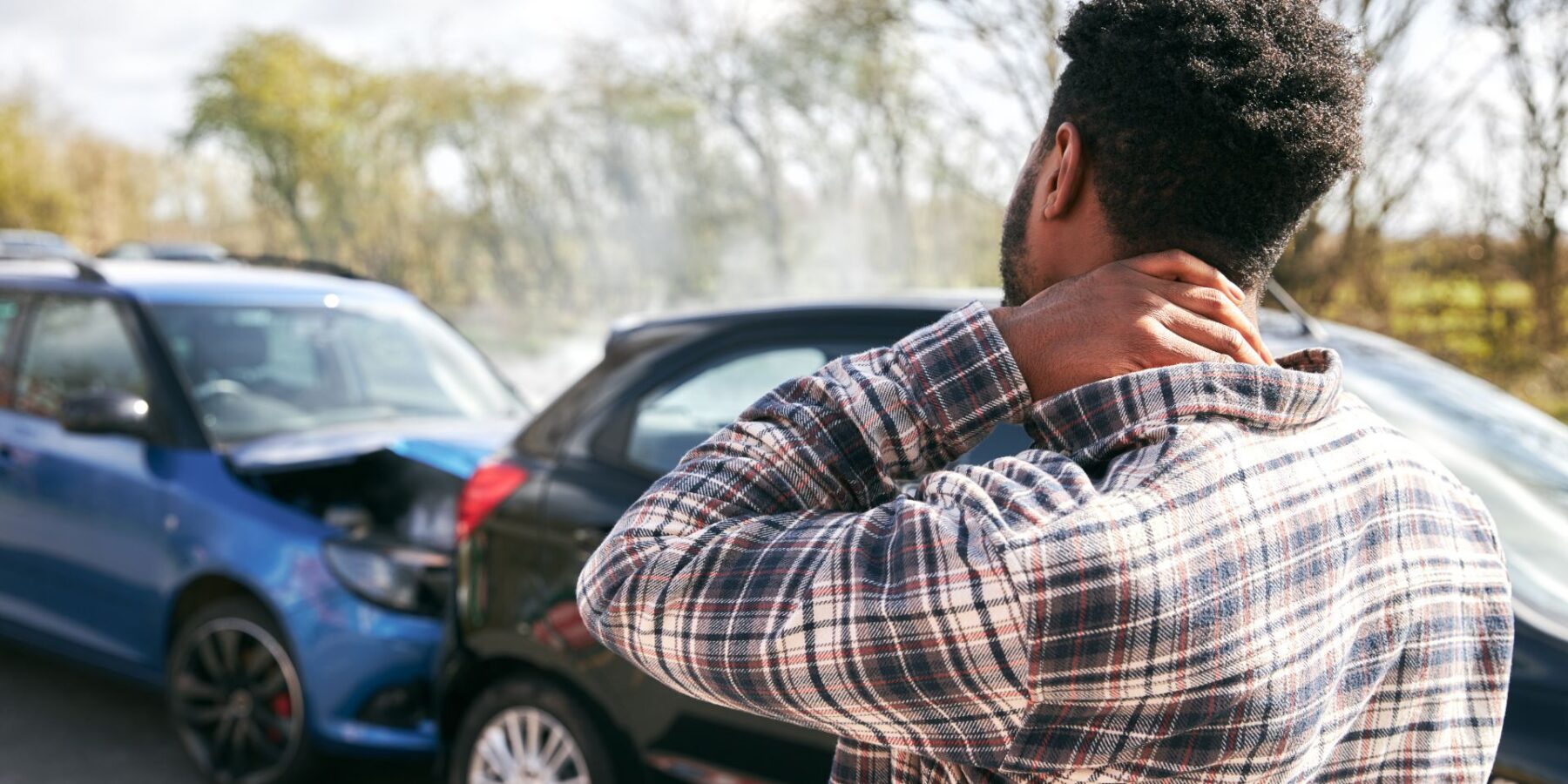
The Sun City Rideshare Accident Lawyers at Desert Star Law handle Uber and Lyft crash claims that often start with a simple question and quickly turn technical, which policy applies right now, and who controls the narrative. Sun City driving includes long, straight arterial stretches, frequent right-turn entrances into shopping plazas and medical corridors, and steady low-speed movement around residential loops where drivers make repeated lane changes to reach the correct drop-off point. Rideshare collisions here often involve abrupt curbside stops, quick pull-outs from the shoulder, and last-second turns that catch surrounding traffic off guard. Getting the early facts right matters because Sun City claims can hinge on how the pickup or drop-off unfolded and how the vehicles positioned themselves in the seconds before impact.
Desert Star Law approaches Sun City rideshare cases by treating them like structured files from day one, not like routine car crash claims with an app logo attached. Uber and Lyft collisions can involve multiple insurers, competing statements, and coverage arguments that reduce value when the timeline stays unclear. We build the claim around objective proof, including trip stage documentation, roadway context, and medical records that show how the injury changes daily capacity and recovery needs over time. That preparation helps keep negotiations focused on responsibility and full damages, instead of getting lost in shifting explanations and procedural delay.
To speak with Sun City Rideshare Accident Lawyers at Desert Star Law, call (602) 755-9760 for a free consultation today.
Desert Star Protects Passengers Injured in Sun City Uber and Lyft Accidents
Passenger claims in Sun City rideshare crashes need a different strategy than driver claims because passengers do not control speed, lane choice, or turning decisions. Even so, insurers often treat passenger cases as “wait and see” files while drivers argue over fault, especially when multiple vehicles get involved near busy shopping corridors or medical office entrances. Arizona law still allows an injured passenger to pursue recovery from every responsible party, and the claim should not depend on one driver admitting blame. Desert Star Law builds passenger cases to move forward on objective proof and damages clarity even when the liability debate between drivers continues.
Passenger Injury Claims in Arizona Rideshare Accidents Require Fast, Clean Documentation
Passenger cases improve when the record stays simple and consistent from the start. Sun City rideshare trips often involve curbside stops, entry and exit movements, and short-distance travel that can still produce serious injury when a crash occurs at the wrong angle. Adjusters will scrutinize timing, seat position, and initial symptom reporting to decide whether they can discount the claim as minor. Clear documentation reduces that opening and keeps settlement conversations tied to the real impact of the injury.
Establishing Seat Position, Trip Status, and Injury Mechanism in Sun City Uber and Lyft Cases
A passenger claim becomes stronger when it identifies where the passenger sat, whether the passenger had just entered or exited, and how the vehicle moved during impact. These details matter because injury patterns change based on bracing, headrest position, and whether the passenger faced forward with a seatbelt engaged. Trip records and phone confirmations can help lock down the time window, which reduces disputes about whether the person actually rode in the vehicle at that moment. When the file ties seat position and crash mechanics to medical findings, insurers have fewer ways to argue the injury does not match the collision.
Connecting Passenger Trauma to the Crash Without Overstatement Under Arizona Claim Standards
Insurers discount exaggerated narratives, so the best passenger claims stay specific and grounded. Medical documentation should describe what changed after the crash, how pain or limitation developed, and why the recommended care makes sense for the mechanism of injury. Practical descriptions of daily limitations also matter because they show real impact without relying on dramatic language. When the claim stays disciplined, adjusters have less room to treat the injuries as unrelated or temporary.
Managing Multi-Insurer Disputes So Passenger Claims Do Not Stall
Rideshare passenger claims can involve multiple insurers reviewing the same file, and each insurer may try to delay by pointing at another carrier. This stalling tactic shows up more often when a crash involves a rideshare driver and a third-party driver, because both sides may argue about fault allocation under Arizona comparative negligence principles. A passenger should not have to wait for drivers to resolve blame before the injury claim progresses. Desert Star Law keeps pressure on the claim path by maintaining a consistent liability narrative and a complete damages record that can be evaluated by any carrier.
Coordinating Claims When Both Drivers Share Fault Under Arizona Comparative Negligence
Arizona allows fault to be apportioned among multiple parties, which means a passenger claim may involve more than one liability stream. That structure can create settlement complexity when insurers argue over percentages, especially if more than one passenger or occupant has claims against the same policy limits. A strong approach keeps the claim focused on the initiating unsafe conduct and uses objective evidence to keep the fault split realistic. When the fault picture stays clear, settlement allocation becomes less vulnerable to delay.
Protecting Passenger Recovery When Multiple Claimants Compete for Limited Coverage
Sun City rideshare crashes can involve multiple occupants in one vehicle, and multiple injured people can draw from the same coverage pool. In those cases, timing and documentation can affect who receives a fair share of available limits. A disciplined claim strategy documents injury severity and financial loss clearly so the passenger’s claim does not get treated as an afterthought. When the passenger file shows clear damages and a credible timeline, insurers tend to take settlement demands more seriously.
Arizona UM and UIM Coverage Issues That Affect Injured Rideshare Passengers
Even when a rideshare policy exists, gaps can appear when the at-fault driver carries low limits or when the crash involves an uninsured driver. Arizona UM and UIM pathways can become important for passengers, but those claims still require clear proof of fault and damages. Your own carrier may scrutinize the case closely, even though the injury was not your fault, because UM and UIM claims operate like adversarial evaluations in practice. Desert Star Law prepares these claims with the same discipline as third-party demands so coverage does not become a reason to reduce value.
Using UM and UIM Coverage Without Letting the Case Lose Focus
A strong UM or UIM presentation stays consistent with the liability file and avoids conflicting explanations across insurers. The claim should show why the available third-party limits fall short and why the passenger’s medical and financial losses justify additional coverage recovery. Documentation matters even more in these cases because the insurer will test treatment gaps, symptom consistency, and future care exposure. When the UM or UIM file stays clean, the insurer has less room to reframe the claim as uncertain.
Planning Coverage Decisions Around Sun City Driving Dynamics and Injury Severity
Sun City crashes often involve turning conflicts and impact angles that can cause neck, back, and head injuries that evolve over weeks. A coverage plan should account for that progression rather than assuming early imaging or early symptom patterns tell the full story. The goal is to keep the claim aligned with the most reliable coverage sources while preserving the option to pursue additional coverage if limits do not match severity. When the coverage strategy fits the injury trajectory, the passenger’s financial recovery becomes more protected.
Common Causes of Uber and Lyft Accidents in the Sun City Area
Uber and Lyft crashes in Sun City tend to follow predictable patterns because rideshare driving here combines destination searching with frequent turning decisions and repeated curbside stops. The roadway layout encourages long stretches of steady speed, then sudden slowdowns near medical offices, shopping plazas, recreation centers, and residential entry points. These conditions create timing errors, especially when a driver tries to correct a missed turn or pulls over without committing fully to a safe stopping location. Arizona traffic duties still control the analysis, and most cases come down to whether a driver made a safe movement, yielded properly, and stayed attentive to conditions.
Navigation-Driven Lane Changes and Late Turns in Sun City Rideshare Collisions
Rideshare drivers often make quick corrections when the app reroutes them, or when they realize a passenger pickup sits on the opposite side of a divided roadway. Late turns and abrupt lane changes can create sideswipes, rear impacts, and chain reactions when surrounding drivers do not expect sudden movement. These crashes commonly occur near commercial corridors where entrances arrive quickly and turn pockets appear with short warning. Arizona negligence analysis focuses on whether the driver executed the maneuver safely, not on whether the destination felt urgent.
Unsafe Left Turns and Turn-Across Movements During Uber and Lyft Pickups
Left-turn collisions often happen when a driver cuts across oncoming traffic to reach a pickup point, a parking lot entrance, or a residential street. The driver may misjudge closing speed or fail to see a vehicle approaching in the through lane, then commit to a turn that leaves no safe braking window. Arizona right-of-way rules place the duty on the turning driver to yield until the movement can be completed safely. When a rideshare driver rushes a turn to avoid missing a pickup, the liability story tends to become clearer.
Proving the Turn Was Unreasonable Under Arizona Right-of-Way Standards
The strongest claims tie the turn decision to measurable facts such as sight distance, timing, and where the vehicles impacted. Vehicle damage alignment and final rest positions can help show whether the driver cut across a lane rather than waiting for a safe gap. Witness accounts often confirm whether the turn looked sudden or forced. When the file shows an avoidable turn-across movement, insurers have less room to argue that the crash happened without a preventable cause.
Sudden U-Turns and Rapid Re-Routes That Trigger Rear-End and Sideswipe Crashes
U-turn attempts and quick reroutes can create unpredictable motion that other drivers cannot anticipate. A rideshare driver may brake sharply, drift into an adjacent lane, or begin a wide turn without confirming clearance. These choices create rear-end crash risk when following drivers lose reaction time, and they create sideswipe risk when the driver crosses lane lines while changing direction. Arizona traffic rules require safe lane movement and reasonable control, and those duties matter when a driver pivots quickly because the app changed instructions.
Using Crash Sequence Evidence to Show Unsafe Lane Movement in Sun City
Evidence that tracks the sequence often matters more than opinions about driving style. Skid marks, debris fields, and impact angles can show whether the rideshare vehicle initiated the movement that created the hazard. Dash camera footage and nearby business cameras can also confirm whether braking occurred abruptly or whether the driver drifted during the maneuver. When the claim file anchors the sequence to objective proof, liability discussions tend to narrow and settlement valuation becomes more realistic.
Curbside Stops, Shoulder Pull-Overs, and Unsafe Re-Entry Into Traffic
Rideshare work involves repeated stopping behavior, and Sun City’s curbside environment can tempt drivers to stop wherever the map pin appears, even when that spot creates risk. Unsafe pull-overs can block lanes, hide brake lights behind larger vehicles, or force nearby drivers into sudden lane changes. Re-entering traffic can be just as dangerous when a rideshare driver accelerates into a lane without enough space or without signaling clearly. Arizona negligence principles focus on reasonable care, and stop-and-reenter behavior often becomes a key breach point.
Door-Zone Incidents and Passenger Loading Hazards Near Sun City Destinations
Passenger loading and unloading creates risk for both vehicle occupants and passing traffic. A driver may stop too close to a travel lane, and a passenger may open a door into the path of a cyclist or vehicle that cannot move over safely. These incidents can cause secondary crashes when a following driver swerves or brakes hard to avoid a sudden obstacle. Arizona fault analysis can assign responsibility across multiple parties, so the claim needs a clear explanation of who created the unsafe condition and how it led to harm.
Establishing Safe Stopping Expectations Under Arizona Traffic Duties
Arizona driving duties require safe stopping behavior and attention to surrounding traffic conditions. A strong claim identifies whether the driver chose a safe location, used signals, and allowed passengers to enter or exit without creating a traffic hazard. Evidence such as scene photos, witness accounts, and vehicle positioning can show whether the stop occurred in a place that made a collision more likely. When the proof shows the stop created a predictable danger, insurers have fewer paths to treat the crash as unavoidable.
Unsafe Merge-Back Collisions After a Rideshare Pickup or Drop-Off
After a pickup or drop-off, a rideshare driver often tries to merge back into traffic quickly to resume the route. If the driver misjudges speed or fails to confirm clearance, the merge can trigger a sideswipe or force another driver into evasive movement. These collisions become more likely when traffic moves steadily and the driver attempts to jump into a narrow gap. Arizona rules about safe lane changes and signaling can become central in proving that the merge-back decision caused the collision.
Showing Lack of Clearance With Impact Points and Lane-Position Evidence
The most persuasive proof shows that the rideshare vehicle entered an occupied space or forced another vehicle out of its lane. Contact points on the vehicles can reveal which direction each vehicle moved at impact, and scrape patterns often clarify who initiated the encroachment. Witnesses can also confirm whether the rideshare driver accelerated aggressively or merged without signaling. When lane-position proof stays clear, insurers have less room to argue that both drivers “shared responsibility” equally.
Distracted Driving and In-App Decision Pressure in Sun City Uber and Lyft Crashes
Rideshare driving introduces distraction risks that differ from ordinary commuting because the driver interacts with navigation prompts, ride requests, and passenger messages. Even when Arizona’s hands-free rules limit certain conduct, drivers still face attention splits that can lead to late braking and missed hazard perception. In Sun City, distraction can become more dangerous on long straightaways where drivers get comfortable and glance away for too long. These cases often turn on whether the driver maintained proper lookout and controlled speed for conditions.
Late-Braking Crashes Caused by Inattention Near Intersections and Turn Pockets
Late braking often shows up when a driver looks down at a screen, then looks up too late to respond to slowing traffic. This can produce rear-end impacts, angle impacts during turning movements, and multi-car chain reactions. Arizona negligence analysis weighs whether a careful driver would have noticed the hazard sooner and responded smoothly. When evidence suggests delayed perception, the case can focus on preventable inattention rather than a vague “accident happened” story.
Building a Focused Negligence Theory Without Overstating Distraction
Distraction claims work best when they stay tied to observable behavior, not broad accusations. The record should show what the driver did, when the driver did it, and how that timing created the collision sequence. Witness observations, phone activity indicators, and the absence of normal evasive action can support a reasonable inference of inattention. When the proof stays disciplined, insurers have a harder time dismissing the claim as speculation.
Speak with the Sun City Rideshare Accident Lawyer at Desert Star Law Today
Sun City rideshare claims often move in two directions at once, your medical needs evolve while insurers push early decisions that can lock the file into an incomplete version of the crash. Local driving patterns make that problem more common here, because collisions frequently happen around plaza entrances, medical corridors, and residential loops where vehicles stop, turn, and merge repeatedly within short distances. When an Uber or Lyft trip ends in a sudden impact, the case value depends on how clearly the record shows what caused the collision and how the injury changed daily function, including mobility, sleep, and the ability to handle routine tasks. Desert Star Law steps in to keep the claim organized and evidence-driven so the rideshare case does not drift into a low-confidence file that insurers can discount.
A focused legal approach also helps when the claim becomes multi-carrier and multi-party, which happens often in Sun City Uber and Lyft accidents involving passengers, third-party drivers, or competing statements about lane movement and turning sequence. We build the case so liability stays clear and damages remain supported over time, with documentation that fits the way Arizona insurers evaluate risk and settlement exposure. That posture matters in Sun City because many clients need a plan that accounts for follow-up care and practical limitations without inflating or dramatizing the claim. When the file reads as consistent and ready for the next step, settlement talks tend to become more realistic.
To speak with Desert Star Law, call (602) 755-9760 for a free consultation today. Remember, we fight harder because we care more.
Practice Areas
Trust Us With Your Personal Injury Claim


Contact usfor a free consultation.
Phone: (602) 755-9760