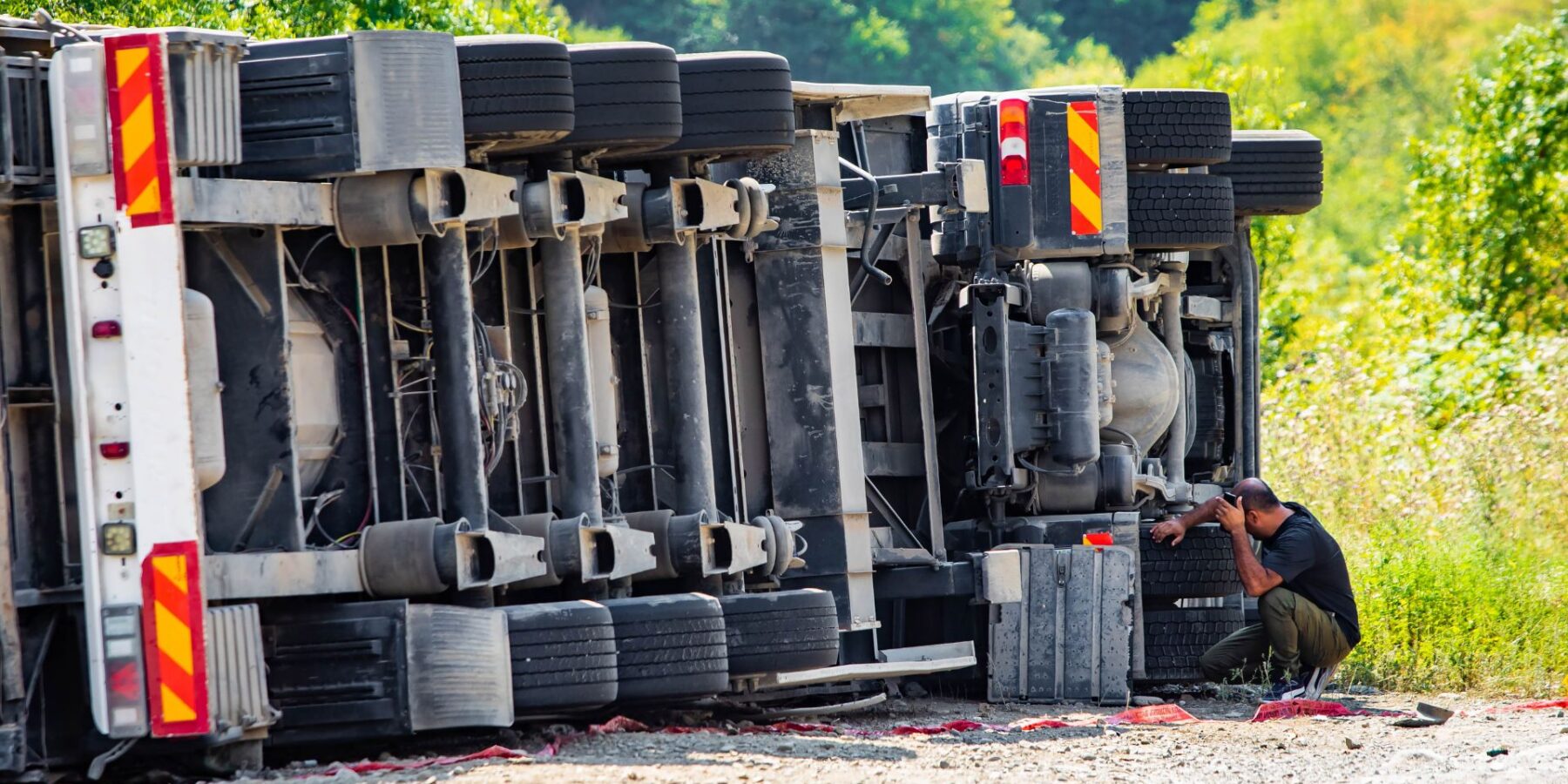
Fountain Hills Truck Accident Lawyers
Fountain Hills Truck Accident Lawyers at Desert Star Law handle commercial crash claims that involve higher stakes, heavier evidence demands, and faster-moving insurance response teams. In Fountain Hills, truck traffic concentrates along Shea Boulevard, the State Route 87 corridor, and the routes that funnel vehicles toward Scottsdale and the Loop 101. Collisions in these areas often involve speed differentials, wide turns, and limited stopping distance, which can turn a preventable mistake into a life-altering injury. Our team steps in early to secure records, confirm the right defendants, and protect the claim from being shaped by a trucking company’s version of events.
Commercial truck cases also differ because responsibility rarely stops with the driver. A Fountain Hills truck crash can involve carrier policies, maintenance providers, loading decisions, and federal safety standards that influence how fault and damages get evaluated under Arizona law. Insurers often push for quick resolutions before full injuries and future care needs become clear, especially when medical recovery takes time to stabilize. Desert Star Law builds these claims with a documentation-first strategy that supports liability proof and full valuation, including medical costs, lost income, and long-term impact. We pursue settlements that reflect the real consequences of commercial truck collisions, not the number that looks easiest for a carrier to pay.
To speak with Fountain Hills Truck Accident Lawyers at Desert Star Law, call (602) 755-9760 for a free consultation today.
How Desert Star Fights for Truck Accident Victims in Fountain Hills
Truck accident claims require a different level of case planning because trucking companies and commercial insurers treat these collisions like high-exposure events from day one. They often deploy rapid response resources, preserve the evidence that benefits them, and begin shaping the narrative before an injured person has even completed initial treatment. Desert Star Law counters that imbalance by treating the first phase of the case as a control point, we secure critical records, define the defendants, and align the facts with Arizona liability standards. This approach helps keep the claim from drifting into a defensive posture where the carrier dictates the timeline and the story.
Evidence Preservation Strategies for Fountain Hills Commercial Truck Accidents
Commercial cases often turn on records that do not exist in typical car collisions, and many of those records can change quickly if nobody requests them. Driver logs, electronic control module data, dispatch instructions, load documents, and maintenance files can all become central to proving negligence and damages. We focus on obtaining and safeguarding those materials early so the case reflects what happened on the road, not what remains after internal reviews. A well-preserved record also supports a cleaner claim under Arizona procedures because it reduces speculation and strengthens credibility.
Securing Black Box Data and Driver Records After an Arizona Truck Crash
Modern commercial vehicles store data that can clarify speed, braking, throttle input, and other driving behavior in the moments leading up to a collision. We move quickly to preserve that information and obtain the supporting records that explain the driver’s schedule, route, and compliance decisions. When the evidence shows fatigue, delayed braking, or unsafe speed, it can change settlement value materially. The goal is to connect those driving facts to a clear theory of negligence that fits Arizona standards for fault and causation.
Preventing Logbook and Hours-of-Service Disputes From Derailing the Claim
Hours-of-service compliance matters because fatigue remains a recurring factor in commercial collisions, especially on routes that feed traffic through Fountain Hills. Carriers often try to frame log issues as paperwork mistakes instead of safety failures, which can weaken settlement leverage. We review logs, dispatch records, and trip timing to test whether the recorded hours match real-world driving and waiting time. This work helps keep the case focused on preventable risk rather than shifting explanations.
Identifying Every Responsible Party in Fountain Hills Truck Accident Cases
A truck crash can involve more than the company name on the side of the trailer. Liability may extend to the motor carrier, a separate owner of the tractor or trailer, a maintenance contractor, a cargo-loading company, or a manufacturer when mechanical failure plays a role. Arizona’s fault allocation framework allows responsibility to be divided among multiple parties, which makes accurate defendant identification a core leverage point. We build the case so the liability map reflects the full chain of decisions that contributed to the crash.
Establishing Negligent Hiring, Training, and Supervision in Arizona Trucking Claims
Some collisions trace back to predictable company-level choices, such as hiring drivers with prior safety issues, failing to train for turning radius and stopping distance, or ignoring violations that should have triggered discipline. We investigate whether the carrier followed its own safety policies and industry standards in the months leading up to the crash. When company conduct shows a pattern of preventable risk, insurers tend to treat the claim more seriously. This analysis also supports stronger negotiation posture because it points beyond a single moment of driver error.
Holding Maintenance and Loading Providers Accountable When Their Work Contributes
Brake issues, tire failures, and shifting cargo can create or worsen a collision, and those issues often involve third-party vendors. We examine maintenance history, inspection records, and load securement documentation to determine whether a separate contractor created the hazard. This matters in Fountain Hills cases where speed and grade changes can magnify mechanical problems quickly. When vendor responsibility exists, adding the right defendant can increase available coverage and strengthen the path to a fair settlement.
Using Federal Safety Standards to Strengthen Arizona Truck Accident Settlement Demands
Federal trucking rules provide a framework for evaluating safe operation, vehicle inspection, driver fitness, and hours compliance. While Arizona courts apply state negligence rules, violations of federal safety standards can reinforce the argument that the carrier failed to meet basic safety expectations. We use those standards as evidence anchors that support liability and reduce the insurer’s ability to minimize the conduct. When a claim ties the crash to clear safety failures, the settlement discussion becomes harder to sidestep.
Applying Safety Compliance Failures to Liability and Damages in Fountain Hills
When a carrier violates safety obligations, the impact often shows up in both fault and damages. A fatigued driver may brake late, a poorly inspected vehicle may fail under load, or an overloaded rig may require more distance to stop. We connect those failures to the collision sequence and to the injury mechanism so the case reads as coherent and defensible. This approach helps keep the settlement demand grounded in provable facts rather than broad accusations.
Strengthening Negotiation Leverage With Trial-Ready Case Preparation
Commercial insurers negotiate differently when they recognize the file can survive serious scrutiny in litigation. We build claims with organized exhibits, consistent documentation, and clear theories of liability and damages that fit Arizona standards. A trial-ready posture does not mean every case goes to court, but it changes how the carrier prices risk. When the defense sees a clean, evidence-led case, low offers lose momentum and the path to a fair resolution becomes more realistic.

Types of Truck Accidents our Fountain Hills Lawyers Represent
Truck collisions in and around Fountain Hills tend to follow recognizable patterns because commercial vehicles have distinct handling limits, turning needs, and stopping distances. Each crash type creates its own set of proof issues, especially when the defense tries to reframe a commercial safety failure as an unavoidable traffic event. Arizona negligence standards still apply, but commercial crash cases often require more technical detail to show how the trucking conduct created an unreasonable risk. This section outlines the truck accident types we commonly handle for Fountain Hills clients and how those collisions typically affect liability and damages analysis.
Rear-End Truck Accidents Involving Stopping Distance and Speed Differentials
A tractor-trailer needs far more distance to stop than a passenger vehicle, and rear-end crashes often happen when a driver follows too closely or misjudges traffic changes. In the Fountain Hills area, speed differentials can become pronounced when traffic compresses near intersections or when vehicles transition between open stretches and signalized stops. These collisions often cause severe injuries because the force transfer from a heavy truck overwhelms the smaller vehicle’s safety systems. We build these cases by focusing on braking behavior, following distance, and whether the driver maintained safe control for the conditions.
Proving Commercial Driver Negligence in Arizona Rear-End Truck Collisions
Rear-end cases can look simple, but trucking insurers frequently argue that the lead vehicle stopped suddenly or that traffic conditions created an unavoidable event. We counter by examining the truck’s stopping capacity, the driver’s speed choice, and the time available to react. Evidence that the truck driver failed to adjust for traffic flow often strengthens liability under Arizona standards. A clear causation chain also supports stronger damages valuation when injuries involve spinal trauma, head injury, or long-term orthopedic impairment.
Using Scene Evidence to Counter Sudden-Stop Defenses in Fountain Hills Truck Cases
Insurers often attempt to shift blame by claiming the passenger vehicle created the hazard. We look at roadway layout, signal timing, and vehicle positioning to show whether the stop was predictable in a normal driving environment. Skid marks, impact angle, and crush patterns can also reveal whether the truck driver applied brakes late or not at all. This evidence-driven approach limits fault shifting and keeps settlement value tied to the truck’s duty to maintain safe distance.
Wide-Turn Truck Accidents and Right-Side Squeeze Collisions
Commercial trucks require wide turns, and collisions often occur when the truck swings out or drifts during a right turn. These crashes become especially dangerous when a passenger vehicle or cyclist occupies the adjacent space and gets trapped between the truck and the curb or lane edge. In areas like Fountain Hills with tighter turn lanes and mixed-use traffic, wide-turn issues can surface near commercial access points and intersection corners. Liability often depends on turn setup, signaling, lane control, and whether the driver checked mirrors and blind spots before initiating the turn.
Evaluating Lane Position and Mirror Checks in Arizona Right-Turn Truck Crashes
A wide-turn collision usually involves a sequence of choices that can be measured, including how the truck approached the corner and whether it maintained predictable lane placement. We analyze whether the truck driver left a misleading gap that invited a vehicle to move alongside, then closed that space during the turn. Arizona negligence principles focus on reasonable care, and commercial drivers have heightened expectations because of vehicle size and known blind spots. When the turning sequence shows poor lane discipline, the liability case becomes easier to prove and harder for insurers to minimize.
Preventing Comparative Fault Inflation in Squeeze Accident Truck Claims
Defense teams often argue that a smaller vehicle should have known better than to travel near a turning truck. Arizona comparative fault rules can reduce recovery if the insurer persuades a factfinder that the injured person made an unreasonable choice. We counter by showing how the truck’s approach created confusion, how signaling and positioning affected perception, and how quickly the space closed. A disciplined narrative keeps fault where it belongs and protects the claim’s full value.
Underride and Override Truck Accidents With Catastrophic Injury Risk
Underride crashes occur when a smaller vehicle slides under a trailer, while override crashes occur when a truck rides over a smaller vehicle. These collisions often lead to catastrophic injury because passenger compartments can be compromised in ways standard crash tests do not anticipate. When underride or override dynamics appear, the case often requires technical reconstruction and careful documentation of trailer configuration and safety equipment. Settlement valuation also changes because injuries frequently involve long-term disability, permanent impairment, or wrongful death damages under Arizona law.
Investigating Trailer Equipment and Visibility Issues in Underride Collision Claims
Trailer visibility, lighting, and guard systems can affect how a collision develops and how preventable it was. We evaluate whether reflective markings, lighting, and safety equipment met applicable expectations and whether the trailer’s presence created a hazard in low-light conditions. In addition, we examine the crash timeline to determine whether the truck’s maneuvering created an unreasonable risk for following drivers. This approach supports both liability proof and the damages narrative when injuries are severe.
Building a Catastrophic Injury Valuation Model for Arizona Truck Accident Settlements
Catastrophic cases require a damages plan that extends beyond immediate hospital bills. We work to document future care needs, loss of earning capacity, and long-term functional limitations with credible support. Arizona allows recovery for these categories, but insurers demand disciplined proof before they negotiate at appropriate levels. When the valuation model is clear, it becomes harder for the defense to argue for a quick, discounted resolution.
Jackknife and Loss-of-Control Truck Accidents on Arizona Roadways
Jackknife crashes occur when the trailer swings out, often due to improper braking, speed, or traction issues. These collisions can block multiple lanes and trigger multi-vehicle impacts, which complicates both liability and coverage allocation. In the Fountain Hills region, loss-of-control events can arise from speed changes, curve handling, or abrupt maneuvers in traffic transitions. We approach these cases by analyzing braking patterns, load stability, and driver decision-making leading up to the loss of control.
Determining Whether Speed, Load Shift, or Equipment Failure Caused the Jackknife
A jackknife is rarely a random event, and the underlying cause often points to preventable conduct. We look at whether the driver adjusted speed for conditions, whether the load remained properly secured, and whether braking occurred in a way that increased instability. Maintenance and tire condition can also play a role, which may introduce additional defendants and coverage. A clear cause analysis helps keep the case focused and prevents insurers from spreading blame across unrelated factors.
Managing Multi-Vehicle Fault Allocation in Arizona Jackknife Crash Cases
Jackknife collisions often involve several drivers, and insurers may try to dilute responsibility through broad fault allocation arguments. Arizona permits apportionment, so the case needs a structured explanation of the initiating cause and the chain reaction that followed. We use physical evidence and witness accounts to separate initiating negligence from unavoidable secondary impacts. This approach helps protect recovery and keeps settlement discussions tied to defensible liability percentages.
Truck Accidents Involving Shifting Cargo and Load Securement Failures
Cargo issues create hazards that can lead to rollovers, sudden trailer swings, or debris spills into traffic. Load securement failures can also worsen braking response and stability, particularly when weight distribution is uneven. In Fountain Hills traffic corridors, a shifting load can turn a routine maneuver into a sudden emergency for surrounding vehicles. These cases often require focused review of loading documentation, weight tickets, and securement practices.
Holding Loaders and Freight Handlers Accountable Under Arizona Negligence Principles
When a third party loads cargo, responsibility may extend beyond the truck driver and carrier. We evaluate whether loading practices met reasonable standards for securement and whether the load created a foreseeable risk to the public. This can involve documentation review and technical evaluation of tie-down methods and weight distribution. Identifying the correct responsible party can also expand coverage and improve settlement potential.
Preserving Cargo Evidence Before It Disappears From the Scene
Cargo can be removed quickly after a crash, which makes early documentation important. Photos, witness accounts, and incident reports can capture what the roadway looked like and how debris spread. We also seek records that show what the truck carried and how it was secured before transit. When cargo evidence is preserved, liability arguments become more concrete and less vulnerable to denial.
Where Truck Crashes Happen Most in the Fountain Hills Area
Truck crashes in the Fountain Hills area tend to cluster where traffic patterns change fast and commercial vehicles have less margin for error. These hotspots often involve merges, signalized intersections, grade changes, and turn pockets that force trucks to brake hard or swing wide. Location matters in a truck injury claim because roadway design, signage, and sight distance can help explain why the collision occurred and how a reasonable driver should have responded. Desert Star Law uses local roadway context to support liability under Arizona negligence standards and to counter defense narratives that blame “unpredictable traffic” instead of preventable commercial driving choices.
Shea Boulevard Truck Accident Hotspots and Speed-Transition Risks
Shea Boulevard carries a mix of commuter traffic, local trips, and vehicles moving between Fountain Hills and Scottsdale. That combination creates speed transitions that can catch commercial drivers off guard, especially near signal changes and turning lanes. Rear-end crashes and lane-change impacts often occur where traffic compresses approaching intersections or where drivers accelerate to keep pace with faster flow. We evaluate these collisions by focusing on truck stopping distance, lane positioning, and whether the driver adjusted to roadway conditions as Arizona law expects.
Signalized Intersection Collisions Along Shea Boulevard in Fountain Hills
Signalized intersections create predictable stopping points, which makes truck collisions harder to excuse as sudden or unforeseeable. Claims often turn on whether the truck driver maintained a safe following distance and monitored traffic changes ahead. We also examine whether the truck approached at an unsafe speed for the timing of the signal cycle and the visible queue length. This intersection analysis helps establish a clear duty breach that supports stronger settlement demands.
Using Timing, Visibility, and Queue Evidence to Prove Preventable Truck Impacts
Crash timing often shows whether the driver had enough distance to brake and whether distraction or fatigue played a role. We look at line-of-sight issues, sun angle, and any visibility obstructions that might affect what a prudent commercial driver should anticipate. Witness accounts and incident reports can help document how long traffic had been stopped before impact. When the evidence shows a stable queue, insurers have less room to argue the lead vehicle created the hazard.
State Route 87 and Regional Connector Corridors Near Fountain Hills
State Route 87 serves as a key north-south connector, and truck traffic often moves through at higher speeds than typical surface streets. High-speed corridors increase the severity of collisions and can create complex crash sequences when a commercial vehicle changes lanes or encounters slower traffic. These cases often involve long stopping distances, limited shoulder space, and higher-risk passing behavior. We build claims around whether the truck driver kept safe speed and spacing for the corridor and whether the carrier followed reasonable safety practices for routing and scheduling.
High-Speed Truck Collisions and Arizona Duty-of-Care Standards on SR 87
Arizona negligence analysis focuses on reasonable care under the circumstances, and higher speeds raise the standard for attention and control. A truck driver who fails to anticipate traffic slowdowns or roadway curvature can create a foreseeable danger to smaller vehicles. We evaluate whether the driver maintained a speed that allowed safe braking and safe maneuvering if traffic changed ahead. This approach keeps liability grounded in roadway reality rather than generalized arguments about “highway hazards.”
Evaluating Passing and Lane Change Behavior in Truck Crash Claims Near Fountain Hills
Lane changes at highway speeds can produce sideswipes, forced run-offs, and chain-reaction impacts. We examine whether the truck used signals, maintained lane discipline, and checked mirrors before moving into another lane. Evidence such as impact points and debris patterns often shows whether the truck drifted into a vehicle’s space or cut it off. A clear lane change narrative can prevent insurers from shifting blame onto the smaller vehicle.
Saguaro Boulevard, Local Arterials, and Commercial Access Points
Saguaro Boulevard and nearby arterials handle local traffic that includes deliveries, service vehicles, and drivers unfamiliar with Fountain Hills street layouts. Truck crashes often occur near commercial access points where vehicles slow abruptly, turn across traffic, or enter and exit driveways with limited sight distance. These locations can produce turning collisions, side impacts, and backing incidents when trucks maneuver in tighter spaces. We treat access-point collisions as location-driven claims where roadway geometry and right-of-way rules matter for determining fault.
Driveway Pull-Out and Turning Truck Accidents in Fountain Hills
Turning and entry collisions often hinge on whether the truck driver yielded properly and whether the turn setup created confusion for surrounding drivers. We examine how the truck approached the turn, whether it swung wide, and whether it blocked adjacent lanes in a way that increased risk. Arizona traffic rules and general negligence duties require safe turns and safe entry, even when a vehicle is large. When the evidence shows improper turning sequence, liability becomes more direct.
Using Property Camera Footage and Local Witnesses to Document Access-Point Risks
Access-point collisions often occur near businesses and community facilities that may have camera coverage. We seek video evidence early because it can show turn angles, signal use, and the timing that led to impact. Witnesses who frequently drive the area can also explain recurring traffic issues, which helps support foreseeability. This local evidence can strengthen settlement posture by making the crash context concrete.
Roundabouts, Narrow Lanes, and Tight Turning Geometry in the Fountain Hills Area
Certain Fountain Hills road segments involve tighter geometry that can challenge larger commercial vehicles, especially when drivers rush through turns. Roundabouts and narrow lanes can increase the risk of sideswipes, curb strikes, and squeeze collisions when trucks fail to maintain lane control. These locations also raise questions about whether the truck belonged on that route and whether the carrier’s routing decisions created unnecessary risk. We consider route selection as part of the overall negligence analysis when a truck navigates a space that does not reasonably fit its size.
Assessing Commercial Vehicle Route Choice and Reasonable Operation in Local Streets
A truck driver may have alternatives to certain streets, and carrier routing choices can influence crash risk in communities like Fountain Hills. We evaluate whether the route created foreseeable turning hazards and whether a reasonably careful commercial operator would have taken additional precautions. Arizona negligence standards consider what was reasonable under the circumstances, which includes route planning when vehicle size and roadway design conflict. This route analysis can support liability arguments when the defense tries to treat the crash as a pure accident of geometry.
Documenting Lane Encroachment and Turning Radius Errors in Truck Accident Claims
Many geometry-related collisions involve a truck crossing lane lines, cutting corners, or forcing smaller vehicles into unsafe space. We document lane encroachment through scene measurements, vehicle damage alignment, and roadway markings. These facts often show whether the driver maintained proper control and gave surrounding vehicles adequate room. When the evidence demonstrates predictable turning errors, settlement negotiations tend to move toward accountability rather than excuses.
Let Desert Star Law Protect Your Rights and Your Future
A Fountain Hills truck accident can create problems that linger long after the roadway clears, including medical instability, missed work, and pressure from commercial insurers to accept an early number. Trucking cases also involve faster-moving claim decisions because carriers often start evaluating exposure immediately, sometimes before a full diagnosis and treatment plan is in place. Your long-term outcome depends on whether the claim reflects the complete impact of the collision, not just the initial bills and the first round of paperwork. Desert Star Law helps Fountain Hills clients protect that position by keeping the case organized, evidence-focused, and ready for serious negotiation.
Your future costs matter in a commercial crash, especially when injuries require specialist care, ongoing therapy, or job changes that affect earning power. A fair result should account for the recovery timeline, the long-term limitations you face, and the real economic consequences of reduced capacity, not just the days you missed right after the crash. Desert Star Law approaches Fountain Hills truck accident cases with disciplined valuation and a clear plan for negotiation or litigation, depending on how the defense responds. When the file is complete and the liability case is clear, insurers have fewer options to delay, minimize, or shift responsibility.
Call Desert Star Law at (602) 755-9760 to schedule a free consultation today. We fight harder because we care more.
Practice Areas
Trust Us With Your Personal Injury Claim


Contact usfor a free consultation.
Phone: (602) 755-9760