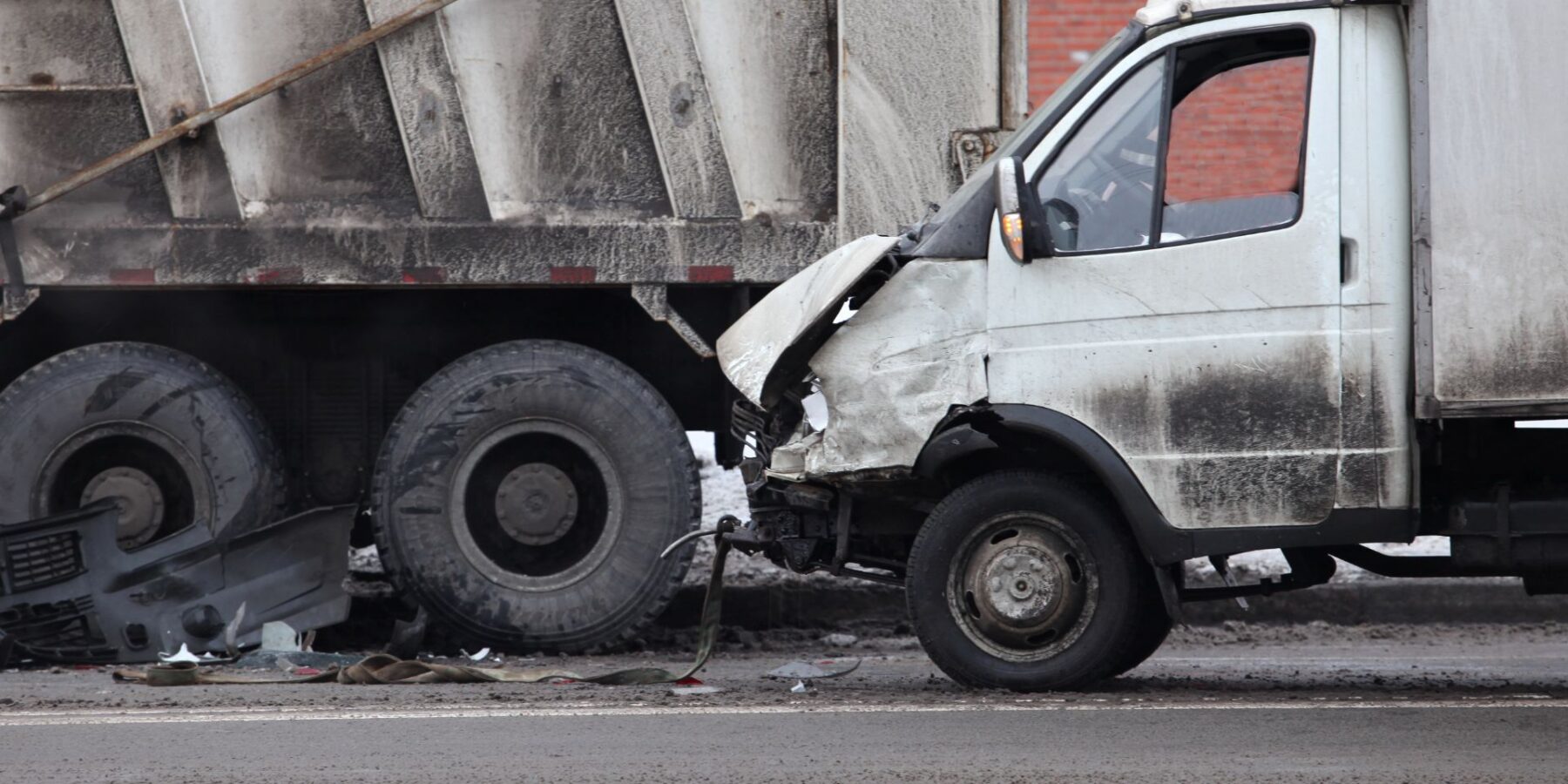
Cave Creek Truck Accident Lawyers
Knowledgeable Cave Creek Truck Accident Lawyers handle commercial collision claims where the stakes rise fast and the evidence can shift before an injured person even leaves the first round of treatment. Truck traffic moves through Cave Creek via Cave Creek Road, Carefree Highway, and the connectors that feed I-17 and the Loop 101. These corridors bring speed changes, tight turn movements, and heavy vehicles that need longer stopping distance. A single wide turn at an intersection, a rushed merge near a traffic light, or a lane change made without enough clearance can create a high-force impact that leaves little room for correction. These cases demand a case plan that matches commercial driving realities in Arizona, including how carriers document events and how defense teams respond early.
Desert Star Law builds Cave Creek truck accident cases around clear responsibility and a damages record that supports full value, not an early number shaped by the trucking company’s version of events. Commercial crashes can involve more than one liable party, and the claim can depend on records that do not exist in typical car wrecks, including maintenance history, driver qualification files, dispatch timing, and load decisions that change how a rig handled on the road. We focus on defining the responsible parties, preserving critical evidence, and presenting the claim in a way that holds up under Arizona fault rules and real-world settlement scrutiny. When the file stays organized and trial-ready, insurers lose room to delay, minimize, or push blame onto the injured driver.
To speak with Cave Creek Truck Accident Lawyers at Desert Star Law, call (602) 755-9760 for a free consultation today. We fight harder because we care more.
How Desert Star Investigates Commercial Truck Accidents in Cave Creek
A strong Cave Creek truck case depends on building an investigation plan that matches how commercial carriers operate in Arizona, not how ordinary drivers handle a fender bender. Trucking companies often document the crash internally within hours, and their records can shape the early narrative unless the injured person creates an independent evidence trail. Investigation also needs to track the local roadway context, because collisions along Cave Creek Road and Carefree Highway frequently involve turning geometry, fast speed transitions, and limited margin for error when a heavy vehicle changes lanes or brakes late. Desert Star Law investigates with the goal of locking down provable facts that support liability, damages, and a clean settlement posture.
Commercial Truck Crash Evidence That Matters in Arizona Injury Claims
Commercial cases turn on records that do not exist in most passenger vehicle collisions, and those records often explain why the crash happened in the first place. Event data, driver duty status, inspection history, and dispatch timing can reveal patterns that the defense prefers to keep out of view, like fatigue risk, delayed maintenance, or schedule pressure. Arizona negligence standards still require clear causation, so the investigation must connect each record to a specific unsafe choice and to the collision sequence. A well-built evidence package also reduces speculation, which helps prevent the defense from manufacturing doubt in negotiations.
Preserving Black Box and Telematics Data in Cave Creek Truck Accident Investigations
Many commercial vehicles store event data that can clarify speed, throttle input, braking, and stability behavior in the seconds leading up to impact. That data can disappear or become difficult to obtain when nobody acts early, especially when the carrier controls access and timing. Desert Star Law focuses on identifying what systems likely recorded the event and pushing for preservation before the carrier frames the crash as an unavoidable traffic incident. When telematics supports late braking or unsafe speed for conditions, it strengthens both liability and settlement value in a way insurers recognize.
Matching Digital Truck Data to Roadway Conditions on Cave Creek Corridors
Digital evidence becomes more persuasive when it aligns with the roadway setting, such as a grade change, a turning pocket, or a signalized stop where traffic stacks quickly. Cave Creek’s mix of local turns and faster stretches can create speed differentials that show up clearly in braking patterns and reaction timing. The investigation should connect data points to what a reasonable commercial driver should have anticipated in that zone. When the record ties behavior to the roadway reality, defenses based on surprise or unpredictability lose traction.
Driver Qualification Files and Safety History in Arizona Truck Collision Claims
Trucking liability often extends beyond the driver because a carrier’s hiring and supervision choices influence whether unsafe conduct reaches the road. Driver qualification files, training records, and past safety violations can reveal whether the carrier ignored warning signs or failed to enforce its own standards. Arizona law allows claims built on negligence theories that focus on company conduct when the facts support them, and insurers respond differently when the file shows systemic risk rather than a one-time mistake. A careful review of these materials helps position the case for stronger settlement leverage.
Using Safety Records to Challenge Blame-Shifting in Cave Creek Truck Accident Cases
Defense teams often try to turn a truck collision into a shared-fault story by focusing on the smaller vehicle’s behavior. Safety records can help keep the spotlight on the carrier’s choices when those records show preventable risk, like repeated hours violations or a pattern of poor training. The investigation should connect that history to the crash mechanism, not just present it as a character critique. When the case demonstrates a foreseeable safety failure, insurers tend to treat the claim as harder to discount.
Maintenance, Inspection, and Cargo Evidence in Commercial Truck Accident Investigations
Mechanical issues and load problems can cause or worsen a truck crash, and those issues often involve third parties beyond the motor carrier. Brake condition, tire wear, lighting failures, and improper load securement can change how a truck handles during braking, turning, and evasive maneuvers. Arizona claims become stronger when the investigation identifies whether a mechanical or cargo factor contributed, because that can expand the responsible party list and increase available coverage. This part of the investigation also blocks the defense from blaming road conditions or “sudden emergencies” when the truck should have operated safely.
Evaluating Maintenance Providers and Inspection Breakdowns Under Arizona Negligence Principles
Some carriers outsource maintenance, and that decision introduces separate duty questions when poor work creates a hazard. Inspection logs and repair history can show whether the truck ran with known defects or skipped required checks that would have prevented failure. Arizona negligence analysis focuses on reasonable care, and operating a commercial vehicle without proper maintenance can support a strong duty breach when it contributes to the crash. When maintenance responsibility extends beyond the carrier, adding the right defendant can shift settlement capacity and negotiation dynamics.
Proving Mechanical Contribution Without Speculation in a Cave Creek Truck Crash
Mechanical theories succeed when the evidence shows a clear link between the defect and the collision sequence, such as brake fade before impact or tire failure during a lane change. The investigation should document what failed, when it failed, and how that failure changed vehicle control in a way a careful operator should have prevented. Photos, inspection results, and post-crash evaluations matter most when they connect to timing and handling behavior. A fact-based mechanical narrative keeps the case grounded and protects credibility in settlement talks.
Load Securement and Shifting Cargo as Liability Factors in Arizona Truck Accidents
Cargo problems often show up in rollovers, jackknifes, or wide-turn instability, and they can also affect stopping distance and steering response. Bills of lading, weight tickets, and securement records can clarify who loaded the trailer and whether the load distribution created foreseeable danger. Arizona permits fault allocation among multiple responsible parties, so identifying loaders or freight handlers can materially change the case posture. When cargo issues exist, early documentation becomes critical because cleanup and reloading can erase key details quickly.
Holding Loaders and Freight Handlers Accountable for Unsafe Securement in Cave Creek
A load-related claim requires proof that the securement method or weight distribution fell below reasonable commercial standards. The investigation should focus on what the load consisted of, how it was tied down, and whether the carrier or a third party controlled that process. Cave Creek crashes that involve sudden braking or tight turning can magnify load instability, which helps explain why proper securement mattered at that location. When the evidence supports third-party loading negligence, insurers have less room to limit responsibility to the driver alone.
Scene Documentation and Reconstruction for Cave Creek Commercial Truck Collisions
Commercial truck crashes often involve impact dynamics that require more than a quick glance at vehicle damage. Skid marks, gouges, debris fields, and rest positions can clarify lane encroachment, braking timing, and whether the truck had room to avoid the collision. Reconstruction also helps when the defense claims the smaller vehicle moved unpredictably or created an unavoidable emergency. A strong scene strategy produces measurable facts that support a clear collision sequence under Arizona fault analysis.
Using Physical Evidence to Resolve Lane and Right-of-Way Disputes in Arizona Truck Cases
Lane position disputes appear frequently in commercial cases because trucks need more space to turn and merge. Scene measurements and impact points can show whether the truck drifted, cut a turn, or changed lanes without enough clearance. Arizona negligence standards reward clear, objective explanations of how the collision occurred, especially when the defense offers an alternate story. When physical evidence aligns with the claimant’s account, fault allocations tend to move toward accountability.
Securing Video and Witness Evidence Around Cave Creek Road and Carefree Highway
Many crashes occur near businesses, intersections, and residential access points that may have camera coverage. Video can capture turn setup, signal timing, and lane movement in a way that eliminates later disputes about who “came out of nowhere.” Witness outreach also matters because people leave quickly, and trucking defenses often grow stronger when the case relies on only the drivers’ statements. Early evidence collection makes the crash sequence more concrete, which improves settlement posture and reduces delay.
Why Truck Accidents in Cave Creek Often Result in Catastrophic Injuries
Catastrophic injury risk rises in Cave Creek truck crashes because the collision forces do not scale like ordinary car accidents. A loaded tractor-trailer carries mass that overwhelms passenger vehicle safety systems, and even a “moderate” speed impact can translate into crushing intrusion, violent rotation, or secondary impacts that cause life-altering trauma. Local driving patterns add to that exposure, since traffic on Cave Creek Road and Carefree Highway can shift quickly between open flow and sudden braking near intersections, turn lanes, and driveway entrances. Arizona injury claims also treat catastrophic harm differently in practice because long-term care costs, reduced earning capacity, and permanent impairment require a damages plan built for the future, not just a tally of early bills.
Impact Forces and Vehicle Mismatch Drive Catastrophic Truck Crash Outcomes
A truck-to-car collision creates a mismatch problem that standard occupant protection cannot fully solve. Passenger vehicles rely on crumple zones, restraints, and airbags designed around collisions with vehicles of similar size, so the physics change when a much heavier vehicle strikes at an angle or rides up over a smaller frame. These crashes often produce multi-system injuries, including traumatic brain injury, spinal cord trauma, complex fractures, and internal organ damage that requires staged treatment. Arizona damages analysis becomes more demanding when injuries involve long recovery arcs, because the claim must show how the force exposure created lasting functional limits.
Crush Injury, Intrusion Trauma, and Multi-Point Impact Patterns in Arizona Truck Wrecks
Catastrophic cases often involve more than one impact event, with the first contact causing structural intrusion and the second causing occupant contact with interior surfaces or a rollover sequence. Intrusion injuries can compress the torso and limbs, leading to internal bleeding, compartment syndrome, and orthopedic reconstruction needs that extend for months or years. These patterns also create higher future care exposure, including surgeries, follow-up imaging, and long-term therapy. A strong Arizona claim connects the injury pattern to the collision mechanics so insurers cannot dismiss the harm as out of proportion to the visible vehicle damage.
Documenting Catastrophic Injury Mechanisms for Cave Creek Truck Accident Settlements
Catastrophic injury claims succeed when the medical record and the crash mechanics tell the same story from the beginning. Detailed imaging findings, surgical notes, and specialist evaluations carry more weight when they match the forces involved and the direction of impact. The claim also needs clear functional documentation, such as mobility limits, cognitive changes, and work restrictions that persist beyond the initial recovery period. When the proof stays consistent, the settlement discussion shifts toward long-term valuation instead of arguing about whether the injuries “make sense.”
Speed Differentials and Roadway Transitions Increase Catastrophic Injury Risk in Cave Creek
Cave Creek corridors can create sudden speed changes that magnify impact severity, especially when trucks brake late or change lanes aggressively near turning pockets and signalized intersections. A passenger vehicle may slow for a light or a turn while a commercial truck maintains momentum, and that closing-speed gap can turn a routine traffic event into a high-force rear impact or a sideswipe that triggers a rollover. These dynamics often appear in crashes near access points where drivers enter and exit frequently, which compresses reaction time and increases the likelihood of a violent collision sequence. Arizona negligence analysis still centers on reasonable care, and speed choice becomes a major factor when the roadway conditions clearly required more caution.
High-Energy Rear-End Truck Collisions and Chain-Reaction Harm
Rear impacts from commercial vehicles often cause catastrophic injury because they push the smaller vehicle forward rapidly while the occupant’s body whips and compresses under sudden acceleration. These crashes can produce spinal trauma, head injury, and multi-level orthopedic damage, even when the vehicle does not look completely destroyed from the outside. Chain-reaction collisions can add secondary impacts that worsen injury severity, especially when traffic stacks near an intersection and the struck vehicle gets pushed into other cars or fixed objects. A strong claim narrative identifies each impact phase so the damages story reflects the full injury mechanism.
Linking Collision Energy to Long-Term Impairment Under Arizona Damages Standards
Arizona law allows recovery for future medical needs and diminished earning capacity, but insurers demand proof that the future exposure is real and tied to the collision. Catastrophic cases often involve permanent restrictions, future procedures, or chronic symptoms that change work options and daily function. The claim needs clear support from providers that explains prognosis and functional trajectory, not just a diagnosis label. When the record shows why limitations will persist, the settlement value becomes harder to discount.
Rollover, Underride, and Override Dynamics Create Life-Altering Trauma
Certain truck crash types carry a higher catastrophic injury profile because they compromise the passenger compartment or force violent vehicle rotation. Underride and override dynamics can crush the cabin area, while rollovers can create repeated impacts and ejection risk that intensifies trauma. These collisions also tend to require more technical analysis because they involve trailer height, braking behavior, vehicle stability, and sometimes roadway geometry that contributes to loss of control. In Arizona, catastrophic cases often require a tighter evidentiary approach because the defense will scrutinize causation and future care projections aggressively.
Why Trailer Height and Vehicle Geometry Matter in Severe Injury Truck Accidents
Trailer configuration, guard systems, and lighting can affect visibility and collision mechanics, especially in low-light or transitional lighting conditions that appear near early-morning or evening travel. When a smaller vehicle strikes the side or rear of a trailer, the impact can bypass the protective structure of the car and transmit force directly into the occupant compartment. Geometry-related collisions can also create shear forces and compression injuries that produce permanent impairment. A clear explanation of how vehicle geometry contributed helps establish why the injuries became catastrophic rather than routine.
Building a Catastrophic Injury Valuation Model for Arizona Truck Accident Claims
Catastrophic injury valuation requires more than multiplying bills, because the claim must account for future treatment, long-term support needs, and life impact that does not show up in early invoices. A defensible model includes medical projections, rehabilitation planning, and vocational impact analysis that connects the injury to reduced work capacity. Non-economic damages also require careful presentation, grounded in specific functional losses rather than broad emotional language. When the valuation stays disciplined and well-supported, insurers have fewer paths to argue for a quick, discounted resolution.
Catastrophic Truck Injuries Create Complex Financial Exposure That Arizona Claims Must Address
Catastrophic harm often creates a financial timeline that stretches far beyond the crash date, and that timeline needs structure from the start. Ongoing care, medication, assistive devices, and home or vehicle modifications can become part of the long-term recovery reality. Families also face indirect losses, such as the need for support services, missed work for caretaking, and limits that change how daily life functions. Arizona claims can include these losses when the proof supports them, which is why catastrophic cases require organized documentation that tracks cost and functional impact over time.
Capturing Life-Care and Work Impact Evidence Without Overstatement
Insurers discount claims that read exaggerated, so catastrophic cases need precise documentation instead of dramatic storytelling. Consistent provider notes, therapy records, and work restriction documentation help show the real limits the injury created. A strong file also tracks baseline function before the crash so the change becomes measurable and credible. When the evidence shows a clear before-and-after, settlement negotiations tend to reflect the true scope of catastrophic loss.
When to Contact a Desert Star Truck Accident Attorney
After a truck collision in Cave Creek, timing affects outcomes because commercial claims develop on a faster track than ordinary crashes. If the crash happened on Cave Creek Road, near a turning pocket off Carefree Highway, or along a connector where trucks build speed between lights, the early facts can decide liability before you even finish your first follow-up appointment. Contact Desert Star when you face serious injuries, when the truck company or its insurer starts calling quickly, or when the crash involves a wide turn, lane encroachment, a rear impact, or a chain reaction that makes fault harder to pin down. You also want guidance if you missed work right away, if symptoms change over the first two weeks, or if you suspect the truck driver’s conduct reflects fatigue, poor training, or unsafe vehicle condition.
Cave Creek truck cases also call for legal help when the paperwork does not match what happened on the road. A report can leave out critical details about lane position, turning sequence, or the exact point where impact occurred, and that gap can snowball into a settlement number that stays too low for the harm involved. Reach out if you feel pressure to provide a recorded statement, if an adjuster pushes broad authorizations, or if you receive early “quick pay” language that does not account for longer recovery risk. The right time to call is before the file hardens around an incomplete narrative, because commercial carriers price risk based on what they see early and what they think you can prove later.
To speak with Cave Creek Truck Accident Lawyers at Desert Star Law, call (602) 755-9760 for a free consultation today, and remember, we fight harder because we care more.
Practice Areas
Trust Us With Your Personal Injury Claim


Contact usfor a free consultation.
Phone: (602) 755-9760