
Cave Creek Rideshare Accident Lawyers
Rideshare Accident Lawyers near Cave Creek, AZ handle Uber and Lyft collision claims where the facts move quickly and the coverage rules change by the minute. In Cave Creek, rideshare traffic concentrates around Cave Creek Road, Carefree Highway, and the stretches where local driving meets faster connectors toward Phoenix and Scottsdale. Pickups and drop-offs near restaurants, trailheads, and shopping areas can trigger abrupt stops, quick U-turns, and last-second lane changes. When a crash happens, the claim often turns on whether the driver was offline, waiting for a request, en route to a pickup, or transporting a passenger, and that timeline affects which insurance layer applies under Arizona rules.
Desert Star Law builds Cave Creek rideshare cases by locking down the app-status timeline early and matching it to the roadway sequence, the impact mechanics, and the medical record. Rideshare collisions can involve overlapping policies, competing statements, and pressure to accept a number before treatment stabilizes. Our approach keeps the case organized and grounded in proof, with clear documentation of fault, clear confirmation of coverage triggers, and a valuation strategy that reflects future care and real functional limits. When the file stays tight, insurers have less room to stall, misclassify coverage, or inflate comparative fault.
If you need to speak with Cave Creek Rideshare Accident Lawyers at Desert Star Law, call (602) 755-9760 for a free consultation today, and remember, we fight harder because we care more.
Determining Insurance Coverage in a Cave Creek Rideshare Crash
Insurance coverage in a Cave Creek rideshare collision depends on more than who caused the impact. Arizona requires drivers to carry liability coverage, but Uber and Lyft coverage can expand or narrow based on the rideshare period and on which vehicle the injured person occupied. Coverage questions become more urgent when injuries require imaging, specialist care, or time away from work, because the wrong coverage assumption can cap the claim before the full cost becomes clear. A focused coverage analysis from Desert Star also helps prevent delay, since insurers often slow negotiations when they can argue that another policy should respond first.
Coverage Layers in Arizona Uber and Lyft Accident Claims
Arizona treats rideshare coverage as layered, which means the available limits can change based on app activity and trip status. The practical question is not just whether the driver worked for Uber or Lyft that day, it is whether the collision occurred during a covered rideshare period that triggers the company policy. When the rideshare policy applies, it may sit above a personal policy or replace it for certain liability exposures, depending on the facts. Clear coverage positioning keeps the claim anchored to the right limit structure and helps avoid low-limit assumptions that do not match the situation.
How Arizona Insurance Requirements Interact With Rideshare Company Policies
Arizona insurance rules set a baseline, and rideshare companies layer commercial coverage over that baseline during defined phases of driving. Insurers look for a clean, time-stamped explanation of what the driver was doing at the moment of impact, because that determines which policy should respond first. A strong claim ties the crash time to objective markers like dispatch timing, GPS route behavior, pickup location, and statements that match the physical sequence. When the documentation supports the correct rideshare phase, the coverage dispute loses momentum and negotiations can move forward on damages.
Using the Rideshare Timeline to Prevent Low-Limit Coverage Arguments in Cave Creek
Cave Creek collisions often occur near pickup points where drivers slow abruptly, turn across traffic, or re-enter faster flow after a stop. Those facts can help confirm the likely trip stage when they align with the location, the direction of travel, and the timing around a pickup or drop-off. Claim files that treat the timeline casually invite insurers to argue for the lowest coverage tier or to claim the rideshare policy never triggered. A disciplined timeline presentation forces the carrier to address coverage with facts instead of assumptions.
Sorting Out Priority of Coverage in Multi-Vehicle Cave Creek Rideshare Accidents
Multi-vehicle rideshare crashes can trigger competing arguments about which policy pays first. One insurer may point to the rideshare carrier, while another argues the rideshare driver carried primary responsibility under Arizona fault rules. Priority matters because it affects how quickly claims move, how settlements get allocated, and whether a carrier can stall while waiting for another carrier to commit. A clean coverage map clarifies which insurers must evaluate liability now and which insurers step in only after limits become an issue.
When a Personal Auto Policy Collides With a Commercial Rideshare Policy
Personal carriers often scrutinize whether the driver used the vehicle for rideshare activity at the time of the crash, and that scrutiny can create coverage friction. Some policies raise exclusions or limitations tied to commercial use, and insurers use that language to deny or narrow responsibility. The right strategy does not assume a denial, it documents the rideshare phase and frames the claim so each carrier’s role becomes hard to dispute. When the claim file stays consistent across insurers, coverage coordination becomes faster and less vulnerable to finger-pointing.
Preventing Coverage Stalls That Delay Serious Injury Settlements in Arizona
Arizona claims lose leverage when coverage questions linger while treatment continues and bills accumulate. Carriers often request repeated statements and redundant documents as a way to slow the file, especially when multiple adjusters share responsibility. A strong approach keeps communications structured and keeps the coverage narrative consistent so carriers cannot claim confusion as a reason to pause. When the file stays organized, insurers have fewer excuses to delay the claim while the injured person waits for medical and wage-loss resolution.
Uninsured and Underinsured Motorist Options After a Cave Creek Rideshare Crash
Coverage gaps can appear even when a rideshare policy exists, especially if the at-fault driver carries minimal limits or if multiple injured people compete for the same pool of insurance money. UM and UIM coverage can fill those gaps, but Arizona insurers still expect clear proof of fault and damages before they treat those benefits as payable. Claimants often miss opportunities when they treat UM or UIM as an automatic backup instead of a claim that needs careful preparation. A deliberate UM and UIM strategy can protect recovery when the primary liability coverage does not match the severity of the injuries.
Using UM and UIM Coverage Without Creating Conflicting Claim Narratives
UM and UIM claims require consistency, because your own insurer will compare every statement and every record to the liability file. Contradictions about crash dynamics, injury progression, or treatment rationale can become a valuation lever against the claim. The strongest approach keeps liability analysis stable while showing why the available third-party limits do not cover the full loss. When the UM or UIM presentation stays clean, the carrier has less room to treat the claim as inflated or uncertain.
Making Coverage Decisions That Fit Cave Creek Crash Patterns and Arizona Claim Handling
Cave Creek crashes frequently involve quick speed transitions and tight turning movements that create disputes over who had the right of way. Those disputes affect UM and UIM posture because your insurer will not pay unless you show another driver caused the collision and carried inadequate insurance. A smart coverage plan accounts for the way fault disputes develop in Arizona, then builds the record to reduce speculation and keep the focus on the initiating unsafe decision. When coverage planning matches local crash dynamics, the settlement path becomes more predictable and less vulnerable to last-minute coverage surprises.
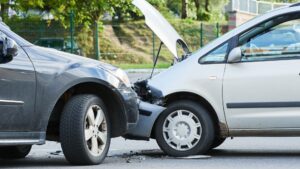
Who Can Be Held Liable After a Rideshare Accident in Cave Creek
Liability in a Cave Creek rideshare crash rarely starts and ends with the person behind the wheel, even when the collision looks straightforward at first glance. Arizona law recognizes that multiple parties can contribute to a wreck through separate decisions that combine into one harmful event, and that framework matters in rideshare cases where commercial driving behavior intersects with everyday traffic. Fault analysis also needs to match the setting, because crashes near Cave Creek Road, Carefree Highway, and high-turnover pickup areas often involve merges, sudden turns into parking lots, and quick lane changes that create chain reactions. A strong liability plan identifies every role in the sequence early, then connects each role to evidence that supports a clean allocation under Arizona’s comparative fault structure.
Liability in Arizona Uber and Lyft Collisions Often Extends Beyond One Driver
Rideshare claims frequently involve multiple vehicles and multiple decision points, which makes it risky to treat the case like a basic two-car crash. One driver may trigger the hazard, another may worsen it through a late lane change, and a rideshare driver may contribute through distraction tied to navigation or pickup timing. Arizona allows fault to be divided among all responsible parties, so identifying every actor protects the claim from unfair blame shifting toward the injured person. When the liability map stays accurate, settlement discussions focus on the true initiating conduct instead of an oversimplified narrative.
At-Fault Rideshare Drivers in Cave Creek and Negligent Driving Behaviors
A rideshare driver can create liability through the same driving errors that apply to any motorist, but the context often makes those errors more predictable. Pickup and drop-off behavior can lead to abrupt stops, unsafe re-entries into traffic, and turning decisions made under time pressure. Navigation-related distraction and frequent lane changes can also change the timing of a collision sequence in ways that show preventable risk. A strong claim ties those choices to physical evidence, witness observations, and roadway design so the case rests on provable conduct, not assumptions about rideshare work.
Proving a Rideshare Driver Caused the Crash Under Arizona Negligence Standards
Arizona negligence analysis focuses on duty, breach, causation, and damages, and rideshare crashes often hinge on the breach and causation pieces. The claim becomes stronger when the unsafe act lines up with measurable facts like point of impact, lane position, and the timing of the maneuver. Statements matter, but objective details matter more, especially when drivers give competing versions of the same seconds. When the evidence shows a clear breach that triggered the sequence, fault arguments narrow and settlement leverage improves.
Negligent Third-Party Drivers Who Collide With Uber or Lyft Vehicles
Many rideshare crashes occur because a non-rideshare driver makes the first mistake, then the rideshare vehicle becomes the most visible part of the incident. A third-party driver may fail to yield, change lanes into an occupied space, or misjudge closing speed during a speed-transition corridor. Arizona fault rules still treat that third-party conduct as primary when it initiates the collision, even if the rideshare driver later reacts poorly. A precise liability narrative prevents the rideshare insurer from treating the crash as “rideshare-related” in a way that distracts from the true at-fault party.
Holding the Primary Unsafe Actor Accountable in a Multi-Car Cave Creek Collision
Multi-vehicle collisions create an opening for insurers to spread blame broadly and reduce what any one carrier pays. Arizona’s comparative fault approach makes that strategy attractive to defense teams, especially when the crash involves quick decisions and limited reaction time. A disciplined approach isolates the initiating hazard, then separates unavoidable secondary impacts from negligent secondary acts. When the sequence stays clear, insurers have less room to dilute fault with speculation.
Passenger and Non-Occupant Claims After a Cave Creek Rideshare Wreck
Passengers, pedestrians, and cyclists often face different liability dynamics because they typically do not control the driving decisions that created the crash. Even so, insurers sometimes try to slow these claims by waiting for drivers to accuse each other or by suggesting uncertainty about who had the right of way. Arizona law still allows these injured parties to pursue recovery from every responsible driver, and the best strategy does not depend on one driver admitting fault. A structured claim keeps the focus on objective facts, medical documentation, and the roles each driver played in causing harm.
Injury Claims for Uber and Lyft Passengers Under Arizona Fault Rules
Passengers can pursue claims against the rideshare driver, another driver, or both, depending on how the crash happened. The challenge often involves coordination, because multiple insurers may evaluate the same injuries while arguing over the fault split. A passenger claim stays strongest when it does not take sides prematurely and instead anchors liability to physical evidence, trip timing, and consistent medical reporting. That structure keeps the claim moving even when drivers continue disputing responsibility.
Avoiding Delay When Multiple Insurers Compete Over Liability and Settlement Allocation
Rideshare crashes can involve overlapping demands on limited coverage, particularly when more than one passenger or vehicle occupant suffered injuries. Settlement timing can matter, because early payouts to one claimant can reduce what remains for others later. A careful approach tracks claimants, coverage limits, and negotiation posture so the injured person does not get boxed out by a rushed allocation. When the file stays organized and demand strategy stays disciplined, settlement becomes more predictable.
Employer-Type Liability Questions in Arizona Rideshare Accident Cases
Many people assume the rideshare company automatically becomes liable for a driver’s negligence, but the legal analysis does not always work that way. Rideshare companies often structure relationships to limit direct responsibility, which means liability arguments require careful attention to what Arizona law allows and to what facts support control, policies, and operational expectations. Even when the company does not sit as a primary defendant in a conventional sense, the case can still involve company-driven coverage obligations and corporate claim handling. A smart strategy focuses on provable pathways rather than broad accusations that do not fit the legal framework.
When Corporate Policies and Platform Requirements Influence Liability Arguments
Platform rules can shape how drivers behave during pickups, drop-offs, and navigation, which can become relevant when those behaviors contribute to a crash. The strongest arguments focus on specific policy pressures or operational features that created foreseeable risk, rather than generic statements about rideshare business models. Arizona courts tend to respond better to concrete causation stories than to generalized criticism, and insurers react the same way in negotiations. When the claim ties corporate influence to real driving behavior and real crash mechanics, liability discussions become harder to dismiss.
Building a Liability Theory That Matches Arizona Standards and Real-World Rideshare Operations
Liability theories succeed when they match what a judge, jury, or adjuster can follow from start to finish without gaps. That means identifying who made which decision, when they made it, and how that decision increased risk on the roadway in Cave Creek. A focused theory also anticipates comparative fault arguments and blocks them with a sequence that stays consistent across evidence sources. When the liability story reads as complete and grounded, insurers tend to treat settlement value with more seriousness.
Arizona Laws That Affect Rideshare Injury Claims
Arizona rideshare injury claims rise or fall on a few legal pressure points that have nothing to do with the basic story of how the crash happened. State deadlines can cut off a case long before the medical picture settles, especially when a public entity or roadway condition plays any role. Arizona traffic statutes also shape how insurers argue fault, because they use rule-based violations to justify discounting a claim even when the broader sequence points to a preventable collision. A strong case strategy treats these laws as decision points that affect leverage, not as background information.
Deadlines and Procedural Rules That Shape Arizona Rideshare Claims
Arizona sets firm time limits for bringing an injury claim, and those limits influence negotiations well before anyone files a lawsuit. Insurers watch the calendar because delay changes evidence quality and raises the odds of missing a procedural step that weakens settlement posture. Timing problems show up more often in rideshare collisions because multiple insurers can slow the process, and people often assume someone else is handling the “legal” side while treatment continues. A disciplined approach treats deadline control as part of valuation because a case loses bargaining power when the defense knows procedural risk exists.
The Two-Year Statute of Limitations for Personal Injury in Arizona
Arizona generally gives injured people two years to file a personal injury lawsuit, and that window starts when the claim accrues, which usually tracks the date of the crash. Two years can feel like plenty of time, but rideshare cases often move through long stretches of treatment, coverage negotiations, and medical documentation cleanup. Waiting too long can also make it harder to locate witnesses, preserve video, and reconstruct the collision with confidence. When you control timing early, you keep options open and prevent the insurer from treating delay as a weakness.
Shorter Deadlines Apply When a Public Entity Contributed to the Harm
Some Cave Creek collisions involve roadway design, signage issues, or maintenance problems that pull a public entity into the case analysis. Arizona requires a formal notice of claim within a much shorter window when a public entity or public employee may share responsibility, and missing that step can end the claim regardless of injury severity. These cases demand early investigation because you need enough facts to identify whether a government-related claim exists before the notice deadline runs. Treating public-entity exposure as an early screening issue protects the claim from a preventable procedural shutdown.
Arizona Distracted Driving Laws and How They Affect Rideshare Fault Arguments
Arizona’s hands-free rules matter in rideshare cases because pickup navigation, app alerts, and rider communications create predictable distraction pressure. When a driver violates the state’s restrictions on handheld device use, that statutory violation can strengthen a negligence theory and make it harder for an insurer to minimize fault. The key is connecting device conduct to the timing of the unsafe maneuver, not just alleging distraction in general terms. A clear distracted driving angle can also reduce blame-shifting because it frames the crash as a preventable lapse in attention.
Using Arizona’s Hands-Free Statute to Support a Negligence Theory
Arizona prohibits certain handheld device behavior while driving, and insurers pay attention when the evidence supports a violation. The strongest claims tie distraction to a measurable driving failure, such as a late brake, a drift across lane lines, or a hurried turn made without a safe gap. Phone use becomes more persuasive when it aligns with witnesses, crash timing, and the absence of normal evasive action. When the proof stays specific, the defense has fewer ways to reframe distraction as speculation.
Turning Digital Clues Into Admissible, Consistent Evidence in a Rideshare File
Rideshare cases generate digital breadcrumbs, but insurers do not treat every breadcrumb as reliable unless it fits a consistent timeline. App alerts, navigation prompts, and call or text activity can support the liability theory when they line up with location and movement, especially near busy Cave Creek corridors where drivers often reposition abruptly. A strong case strategy preserves the right data early and avoids overclaiming what the records can prove. When the digital story stays disciplined, it becomes an asset instead of an argument the defense can attack as guesswork.
Reporting Rules and Documentation Standards That Influence Arizona Claim Value
Arizona claim handling tends to reward clean documentation and punish gaps, even when the underlying injury is real. Police reports, scene records, and early medical documentation can anchor the timeline, which matters when multiple insurers review the same crash through different lenses. The way you document the first days after a collision often determines whether the insurer treats later symptoms as credible or as unrelated. A well-organized record also helps avoid procedural distractions that slow settlement and reduce leverage.
Why an Accurate Crash Report and Early Medical Notes Matter in Arizona
A police report does not decide the case, but it can shape how adjusters evaluate credibility and fault from day one. Early medical notes matter for the same reason, because they establish a timeline of symptoms and connect those symptoms to the collision before insurers start arguing alternative causes. Rideshare crashes often involve multiple impacts or unusual seating positions, which makes prompt documentation even more important to avoid later disputes. When early records stay consistent, settlement talks focus on valuation instead of credibility fights.
Managing Recorded Statement Requests and Overbroad Authorizations Under Arizona Practice
Insurers often request recorded statements quickly, and they sometimes push broad medical authorizations that invite unnecessary disputes. These requests can create risk when they pull attention away from treatment clarity and produce inconsistent phrasing that carriers later use to discount the claim. A stronger approach keeps communications consistent, keeps the file organized, and limits avoidable contradictions that do not help liability or damages proof. When you control these early procedural moments, you protect settlement leverage and keep the case positioned for escalation if negotiations stall.
Desert Star Law Fights for Maximum Settlements in Cave Creek Uber and Lyft Cases
Maximum results in Cave Creek Uber and Lyft claims come from controlling the details that actually drive settlement value in this local setting. Rideshare collisions here often unfold in tight decision windows, like a driver cutting across Cave Creek Road to reach a pickup, braking hard near a driveway entrance, or re-entering faster traffic along Carefree Highway with a passenger in the back seat. Those dynamics create predictable defense angles that can quietly shave value, such as disputes over lane position, timing, and whether the collision sequence “happened too fast” for anyone to avoid. Desert Star Law builds Cave Creek rideshare cases to close those openings with a clear crash sequence, clean proof of responsibility, and damages documentation that reflects the real recovery timeline rather than a quick snapshot taken in the first week.
A strong settlement posture also requires discipline in how the claim progresses, because Uber and Lyft cases can invite slowdowns, mixed messaging, and technical arguments that distract from the core harm. We keep the file coherent from start to finish so negotiations stay anchored to what matters, the initiating unsafe decision, the medical evidence that explains what changed after the crash, and the long-term costs that often show up after the first round of treatment. When the record stays organized and the liability story stays consistent, insurers have fewer paths to downgrade the case or push it into an endless loop of “additional review.” Desert Star Law takes a direct, proof-driven approach to these Cave Creek rideshare claims so the settlement discussion reflects the full value of the injury, not the easiest number for a carrier to pay.
If you need to speak with Cave Creek Rideshare Accident Lawyers at Desert Star Law, call (602) 755-9760 for a free consultation today.
Practice Areas
Trust Us With Your Personal Injury Claim


Contact usfor a free consultation.
Phone: (602) 755-9760