Call 24/7
(602) 686-9936


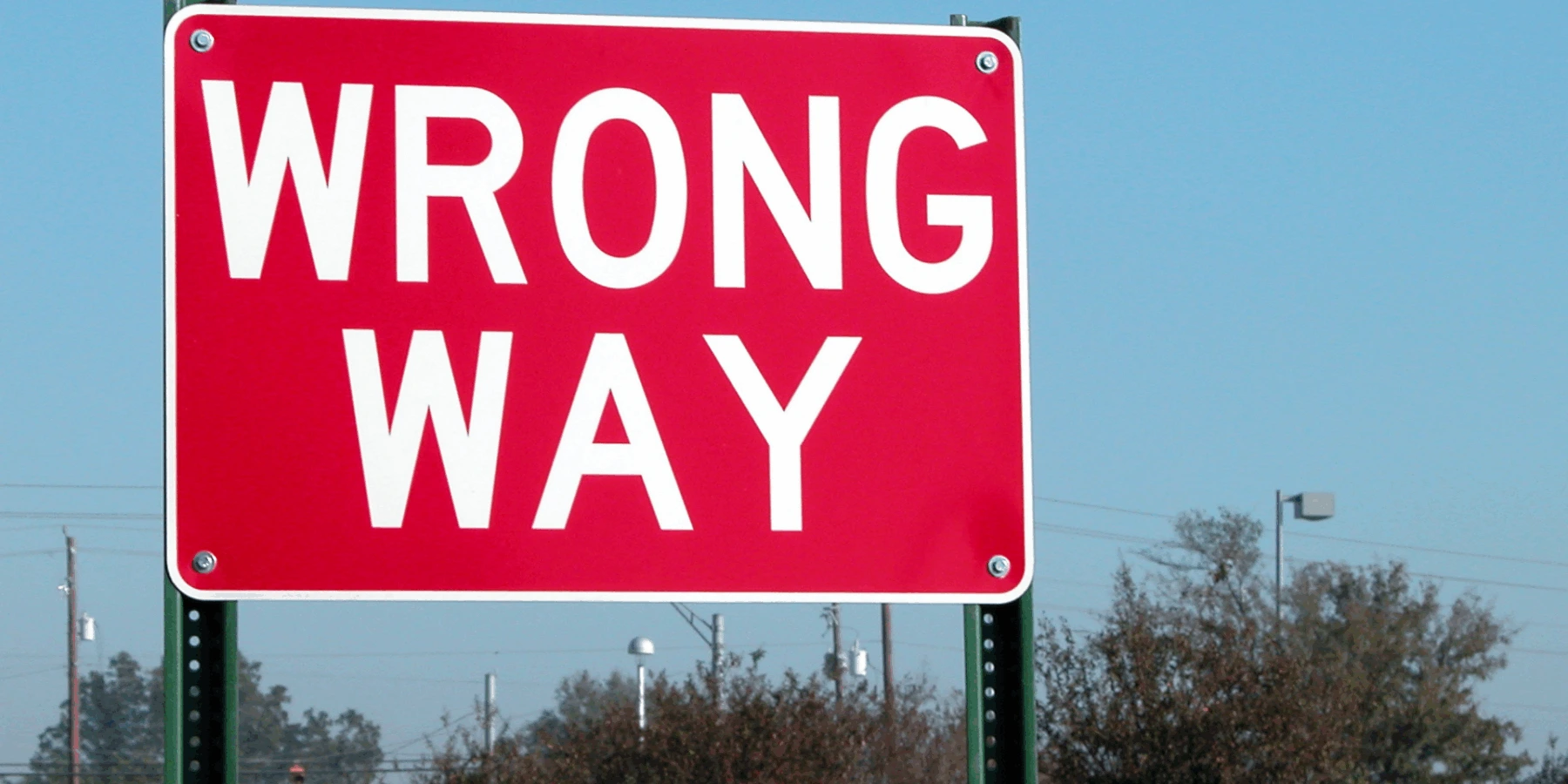
Three people were killed following a fiery wrong-way crash on a Mesa freeway early Saturday morning, according to AZ Family. The collision occurred around 2:30 a.m. in the eastbound HOV lane of Loop 202 near McDowell Road, where troopers arrived to find two vehicles fully engulfed in flames. Once firefighters extinguished the fire, first responders discovered two victims deceased inside one vehicle and a third victim dead in the other. Both vehicles sustained severe damage. The Maricopa County Office of the Medical Examiner is working to identify the victims as the Arizona Department of Public Safety continues its investigation.
This tragic wrong-way crash on a Mesa freeway highlights the extreme dangers that impaired, distracted, or disoriented driving can pose to everyone on the road, especially during early morning hours. Wrong-way collisions often occur at high speeds and leave little opportunity for drivers to react, which can result in violent impacts and deadly vehicle fires. At Desert Star Law, we understand how devastating fatal freeway crashes can be for families across the East Valley, and we are dedicated to helping them navigate their legal options with compassion, clarity, and strong advocacy. If your family has been affected by a serious or fatal crash in the Mesa area, call us at at (602) 686-9936 to learn how we can help during this difficult time.
After a Mesa wrong-way crash, Desert Star Law provides experienced and compassionate legal guidance to help victims and families understand their rights and options. Wrong-way collisions often involve complex investigations, multiple agencies, and questions about driver impairment, roadway design, or traffic control failures. Our attorneys work to review police reports, analyze crash evidence, and identify all contributing factors that may have led to the collision. By building a thorough and well-supported case, the Desert Star Law team helps families pursue accountability while protecting them from insurance tactics that can add stress during an already difficult time.
In addition to investigating the crash, Desert Star Law focuses on securing the financial support families need to move forward after a fatal or serious injury accident. Our team handles communication with insurance companies, evaluates available coverage, and pursues compensation for medical expenses, funeral costs, lost income, and the emotional toll of the loss. Throughout the process, we prioritize clear communication, personalized attention, and compassionate advocacy, ensuring clients feel supported at every stage. When families face the aftermath of a devastating Mesa wrong-way crash, Desert Star Law stands ready to provide strong legal representation and trusted guidance.
Mesa wrong-way crashes are among the most severe and deadly roadway collisions. These crashes often occur at high speeds and leave drivers little time to react. Because vehicles collide head on, the force of impact is extreme. The risk of fatal injuries increases significantly in these scenarios.
Wrong-way crashes frequently involve vehicles traveling at highway speeds. When two vehicles collide head on, their combined speed magnifies the force. This level of impact often overwhelms vehicle safety systems. Survivability decreases sharply.
Drivers traveling in the correct direction often have only seconds to respond. Sudden headlights appear without warning. Swerving may not be possible due to traffic barriers or other vehicles. These conditions reduce avoidance options.
Head-on impacts often cause vehicle frames to collapse inward. Passenger compartments may be compromised. Safety features may not fully protect occupants. Structural damage increases injury severity, including the severity of concussions.
Mesa wrong-way crashes often involve intense friction and fuel system damage. Fires may ignite quickly after impact. Vehicle fires significantly increase fatality risk. Escape may become impossible.
Strong impacts can rupture fuel tanks or fuel lines. Leaking fuel may ignite from sparks or hot surfaces. Fires can spread rapidly. This danger escalates injury severity.
Fire conditions may delay rescue efforts. First responders must control flames before accessing victims. Time sensitive injuries may worsen. Delays reduce survival chances.
Many Mesa wrong-way crashes involve impaired or disoriented drivers. Alcohol or drug use can affect judgment and perception. Drivers may enter freeways incorrectly. Impairment increases crash likelihood.
Impaired drivers may misinterpret ramps or signage. Reaction time slows significantly. Judgment becomes unreliable. These factors increase wrong-way driving incidents.
Wrong-way crashes often occur late at night or early morning. Reduced visibility affects awareness. Fatigue compounds impairment. These conditions increase danger.
Wrong-way crashes may involve multiple vehicles. Following drivers may collide with stopped traffic. Chain reactions can occur quickly. Casualties often increase.
Barriers and narrow lanes limit maneuvering space. Drivers may have nowhere to go. Sudden braking may cause rear end crashes. Freeway design increases risk.
Multi vehicle crashes create complex emergency scenes. Multiple victims may need urgent care. Resources may become stretched. Complexity increases injury severity.
Mesa wrong-way crashes often cause catastrophic injuries. Survivors may face life altering trauma. Fatal outcomes are common.
Head on impacts often cause severe brain injuries. Spinal damage may result in paralysis. Recovery may be uncertain. Long term care may be required.
Internal organ damage may occur instantly. Bleeding can become life threatening quickly. Injuries may not be immediately visible. Outcomes can be fatal.
Wrong-way crashes affect more than those directly involved. Families experience sudden loss and trauma. Communities feel lasting impact.
Families may receive little warning. Emotional shock can be overwhelming. Grief may be complicated by unanswered questions. Support becomes essential.
High profile wrong-way crashes raise safety concerns. Residents question roadway design and enforcement. Awareness increases but fear remains. Prevention becomes a priority.
A Mesa wrong-way crash can cause devastating losses for victims and their families. Compensation is intended to help address the financial and emotional harm caused by these collisions. Because wrong-way crashes often involve extreme force, damages may be significant. Understanding available compensation helps families pursue fair recovery.
Medical expenses are often the most immediate concern after a Mesa wrong-way crash. Victims may require extensive emergency and long term care. Compensation may help cover these necessary costs.
Wrong-way crashes frequently result in severe injuries requiring urgent treatment. Emergency transport, surgeries, and hospital stays can generate overwhelming bills. Compensation may help address these expenses. Prompt documentation supports recovery.
Some victims require ongoing treatment after surviving a wrong-way crash. Physical therapy, specialist visits, and rehabilitation may continue for months or years. Long term care creates lasting financial strain. Claims should reflect future medical needs.
Injuries from a Mesa wrong-way crash can prevent victims from returning to work. Lost income may affect household stability and future plans. Compensation may address both short term and long term losses.
Victims may miss work while healing from serious injuries. Lost wages can accumulate quickly. Compensation may help replace this income. Employment records support these claims.
Some injuries permanently limit a victim’s ability to work. Reduced earning capacity may affect career opportunities. Compensation considers long term financial impact. Careful evaluation remains essential.
Pain and suffering damages recognize the human impact of a Mesa wrong-way crash. These damages address physical pain and emotional distress. Recovery often involves lasting challenges.
Severe collisions can cause ongoing pain that affects daily life. Chronic discomfort may persist after treatment ends. Compensation considers injury severity and duration. Medical records support these claims.
Victims may experience anxiety, depression, or trauma after a wrong-way crash. Emotional injuries can interfere with work and relationships. Mental health treatment may be necessary. Compensation may address these effects.
Mesa wrong-way crashes often result in significant vehicle damage. Property losses can add financial pressure during recovery. Compensation may help restore these losses.
Vehicles involved in wrong-way crashes may be totaled. Compensation may cover repair or replacement value. Towing and storage fees may also apply. Accurate estimates support recovery.
Personal items inside vehicles may be damaged or destroyed. Electronics, clothing, and equipment may require replacement. These losses can accumulate quickly. Documentation strengthens claims.
Victims often incur additional expenses during recovery. These costs may not appear immediately. Compensation may help address these financial burdens.
Injuries may limit a victim’s ability to drive or perform daily tasks. Transportation services or home assistance may become necessary. These expenses increase over time. Proper tracking supports reimbursement.
Travel to appointments creates recurring costs. Parking fees and medical supplies add financial strain. Small expenses accumulate quickly. Detailed records help ensure full recovery.
When a Mesa wrong-way crash results in death, families may pursue wrongful death compensation. These claims address profound financial and emotional losses. Legal guidance is especially important.
Funeral and burial costs often create sudden financial hardship. Compensation may cover reasonable expenses. Proper documentation supports recovery. These costs deserve careful consideration.
Families may lose income, companionship, and guidance after a fatal crash. These losses affect long term stability. Compensation considers both financial and emotional harm. Courts review family relationships closely.
Failing to identify all damages can unfairly limit recovery. Some losses appear later or worsen over time. Comprehensive evaluation protects victims’ interests.
Economic and emotional damages often overlap. Thorough review ensures nothing is overlooked. Proper preparation strengthens claims. Complete evaluation supports fair outcomes.
Attorneys help calculate and document damages accurately. Legal guidance ensures claims reflect true impact. Strong presentation improves negotiations. Support helps families move forward.
A Mesa wrong-way crash can leave victims and families overwhelmed, injured, and unsure how to proceed. The moments and days following the crash are critical for safety and legal protection. Taking the right steps helps preserve evidence and protect future claims. Thoughtful action can make a meaningful difference.
Safety and medical care should always come first after a wrong-way crash. Even injuries that seem minor may worsen without treatment. Prompt care protects both health and legal interests.
Emergency responders can assess injuries and secure the crash scene. Law enforcement will document critical details. Accepting medical evaluation creates important records. Early response can save lives.
Some injuries appear hours or days later. Follow all treatment recommendations carefully. Attend follow up appointments as scheduled. Consistent care supports recovery and documentation.
Law enforcement plays a key role after a Mesa wrong-way crash. Officers investigate the incident and determine initial fault. Cooperation helps ensure accurate reporting.
Answer officers’ questions honestly and calmly. Avoid speculation or assigning blame. Stick to known facts about the crash. Accurate statements protect credibility.
Ask for the report number and responding agency details. Police reports often include vital findings. These documents support insurance and legal claims. Early access helps preparation.
Evidence can disappear quickly after a wrong-way crash. Preserving details early strengthens any future claim. Visual documentation is especially valuable.
Photograph vehicle damage, roadway conditions, and visible injuries. Capture traffic signs and lane markings if possible. Time stamped images add clarity. Visual evidence supports investigations.
Witnesses may leave the scene quickly. Obtain names and contact details when possible. Independent accounts often clarify disputed facts. Early collection prevents lost testimony.
Insurance companies may contact victims shortly after a Mesa wrong-way crash. These conversations can affect compensation. Caution is essential.
Adjusters may request recorded statements early. These statements can be used against victims later. Politely decline until receiving guidance. Protecting words protects claims.
Early settlement offers may undervalue serious injuries. Wrong-way crashes often involve long term consequences. Accepting too soon may limit recovery. Review offers carefully.
Wrong-way crashes often create significant financial burdens. Tracking expenses helps demonstrate full losses. Organized records support fair compensation.
Keep copies of bills, prescriptions, and treatment summaries. Include therapy and rehabilitation costs. Detailed records show financial impact. Documentation strengthens claims.
Track missed workdays and income loss carefully. Obtain employer verification if possible. Record any work restrictions. These details support wage loss claims.
Many victims are unsure of their rights after a Mesa wrong-way crash. Understanding options helps prevent costly mistakes. Knowledge brings clarity.
Injury claims differ from wrongful death claims. Each addresses different losses. Understanding distinctions matters. Legal guidance clarifies eligibility.
Arizona law sets strict deadlines for crash claims. Missing deadlines can bar recovery. Early awareness protects rights. Timing is critical.
Legal guidance can help victims navigate complex wrong-way crash cases. Attorneys provide clarity and advocacy. Early consultation often improves outcomes.
An attorney explains available options and strategies. Guidance helps avoid mistakes. Informed decisions protect long term interests. Support reduces stress.
Attorneys manage investigations and insurer communication. Victims can focus on recovery. Reduced burden supports well being. Legal support makes a difference.
Wrong-way crashes often cause emotional trauma alongside physical injuries. Healing requires time and support. Emotional care matters.
Professional counseling can help process trauma. Support groups may provide comfort. Emotional health deserves attention. Healing supports recovery.
Recovery does not follow a fixed timeline. Families should proceed at a comfortable pace. Legal guidance adapts to individual needs. Compassion remains essential.
Time limits play a critical role in every Mesa wrongful death claim. Arizona law imposes strict deadlines for taking legal action after a fatal incident. Missing these deadlines can permanently prevent families from seeking compensation. Understanding timing requirements early helps protect important legal rights.
Arizona law establishes a clear statute of limitations for wrongful death cases. This deadline controls how long surviving family members have to file a claim. Courts enforce these limits strictly in most situations.
In most cases, families have two years from the date of death to file a wrongful death claim. This deadline applies regardless of emotional hardship. Claims filed after this period are often dismissed. Acting early preserves legal options.
Statutes of limitations promote fairness and reliability in the legal system. Evidence becomes harder to gather over time. Witness memories may fade or change. Courts require timely action to ensure accurate outcomes.
Some Mesa wrongful death claims involve circumstances that alter the standard deadline. Certain factors may shorten or modify the filing period. Legal review helps identify these situations early.
If a government agency is involved, special notice rules apply. Families may need to file a notice of claim within months. These deadlines are much shorter than standard claims. Early legal guidance is essential.
In rare cases, families may not immediately know what caused the death. The filing period may begin once the cause becomes known. Courts apply this rule narrowly. Documentation plays an important role.
Time limits affect more than the filing date alone. Delays can weaken the quality of available evidence. Early action helps preserve proof.
Surveillance footage and digital records may be deleted quickly. Physical evidence may degrade or disappear. Prompt legal action helps secure these materials. Preserved evidence strengthens claims.
Witnesses may relocate or become difficult to contact. Memories can fade over time. Early interviews capture accurate information. Timely action improves reliability.
Some Mesa wrongful death claims involve ongoing criminal investigations. These cases do not pause civil filing deadlines. Families must remain aware of timing requirements.
Many families wait for criminal cases to conclude before acting. However, civil deadlines continue running. Waiting too long can eliminate legal options. Awareness protects rights.
Civil claims may proceed alongside criminal cases. Legal guidance helps coordinate strategy without delay. Proper planning prevents missed deadlines. Coordination supports stronger outcomes.
Calculating deadlines after a Mesa wrongful death can feel overwhelming. Legal guidance helps families avoid irreversible mistakes. Early consultation provides clarity and confidence.
Attorneys monitor all applicable deadlines carefully. They ensure filings occur on time. Accurate tracking protects claims. Attention to detail matters.
Legal teams handle timing and procedural responsibilities. Families can focus on grieving and recovery. Reduced stress supports well being. Support makes a meaningful difference.
A Mesa wrong-way crash can leave victims and families facing sudden loss, serious injuries, and complex legal questions. Arizona law provides several legal options to help injured victims and surviving families pursue accountability. Understanding these options allows families to make informed decisions rather than rushed choices. Early legal guidance often strengthens outcomes and protects important rights.
When a Mesa wrong-way crash causes serious injuries, victims may pursue a personal injury claim. This legal option focuses on recovering compensation for physical, emotional, and financial harm. Personal injury claims are separate from any criminal proceedings.
Injured drivers, passengers, and pedestrians may file personal injury claims. Eligibility depends on documented injuries and fault. Proper evaluation helps confirm standing. Early review prevents delays.
Personal injury claims may cover medical expenses, lost income, and pain. These claims also address long term treatment needs. Emotional distress may be included. Thorough documentation supports recovery.
If a Mesa wrong-way crash results in death, surviving family members may pursue a wrongful death claim. This claim seeks compensation for losses suffered by loved ones. It focuses on family impact rather than punishment.
Arizona law limits who may file a wrongful death claim. Eligible parties often include spouses, children, and parents. In some cases, personal representatives may file. Legal guidance clarifies eligibility.
Wrongful death claims may address funeral expenses and lost financial support. They also recognize loss of companionship and guidance. Emotional losses matter. Proper evaluation ensures full consideration.
Some Mesa wrong-way crash cases may involve survival actions. These claims address losses suffered by the deceased before death. Survival actions differ from wrongful death claims.
Survival actions may include medical expenses incurred before death. They may also address pain experienced before passing. These damages belong to the estate. Legal review determines applicability.
Survival actions and wrongful death claims may proceed together. Each claim addresses different losses. Coordination ensures proper recovery. Strategic planning matters.
Mesa wrong-way crashes may involve more than one responsible party. Identifying all liable parties expands recovery options. Thorough investigation is essential.
Third parties may share responsibility in some crashes. Examples include vehicle owners or establishments serving alcohol. Negligent actions may contribute. Legal review identifies these possibilities.
Multiple insurance policies may apply after a wrong-way crash. Coverage limits vary by policy. Identifying all coverage sources matters. Legal guidance navigates these complexities.
Many Mesa wrong-way crashes involve criminal investigations. Criminal cases are separate from civil claims. Understanding this distinction helps manage expectations.
Criminal charges focus on punishment under the law. Civil claims focus on compensation for victims. Families must pursue civil claims separately. Awareness protects rights.
Criminal investigations often generate valuable evidence. Police reports and testimony may support civil claims. Coordination strengthens cases. Timing matters.
All legal options after a Mesa wrong-way crash involve strict deadlines. Missing deadlines can bar recovery permanently. Early action protects eligibility.
Arizona law sets deadlines for injury and wrongful death claims. These deadlines typically begin on the crash or death date. Courts enforce limits strictly. Timely filing is essential.
Evidence may disappear quickly after a crash. Surveillance footage may be deleted. Witness memories may fade. Early legal action helps preserve proof.
Legal options after a Mesa wrong-way crash can feel overwhelming. Guidance helps families understand choices clearly. Support reduces stress during a difficult time.
Attorneys help evaluate all available options. Clear strategy prevents missed opportunities. Informed decisions protect long term interests. Planning supports outcomes.
Legal teams handle filings, investigations, and negotiations. Families can focus on recovery and grief. Reduced burden supports well being. Support makes a meaningful difference.
The aftermath of a serious wrong-way crash can leave families overwhelmed by grief, confusion, and sudden financial uncertainty. Navigating insurance claims, ongoing investigations, and legal deadlines while coping with loss can feel impossible without experienced support. A knowledgeable attorney like our team at Desert Star Law can help clarify your options, protect your rights, and guide you through each step of the process with care and professionalism. Having our trusted legal guidance allows families to focus on healing while important legal matters are handled properly.
At Desert Star Law, we’re committed to helping individuals and families affected by Mesa wrong-way crash claims pursue accountability and meaningful recovery. Our team takes a hands-on approach, carefully investigating the circumstances of the crash, managing communication with insurers, and advocating for compensation that reflects the full impact of the tragedy. We understand that every case is deeply personal, which is why we provide individualized attention and clear guidance throughout the legal process. From the initial consultation through resolution, we work to ease the legal burden so families can focus on healing. To speak with a compassionate and experienced attorney, call us at (602) 686-9936 or fill out our online contact form today to schedule a free consultation.



