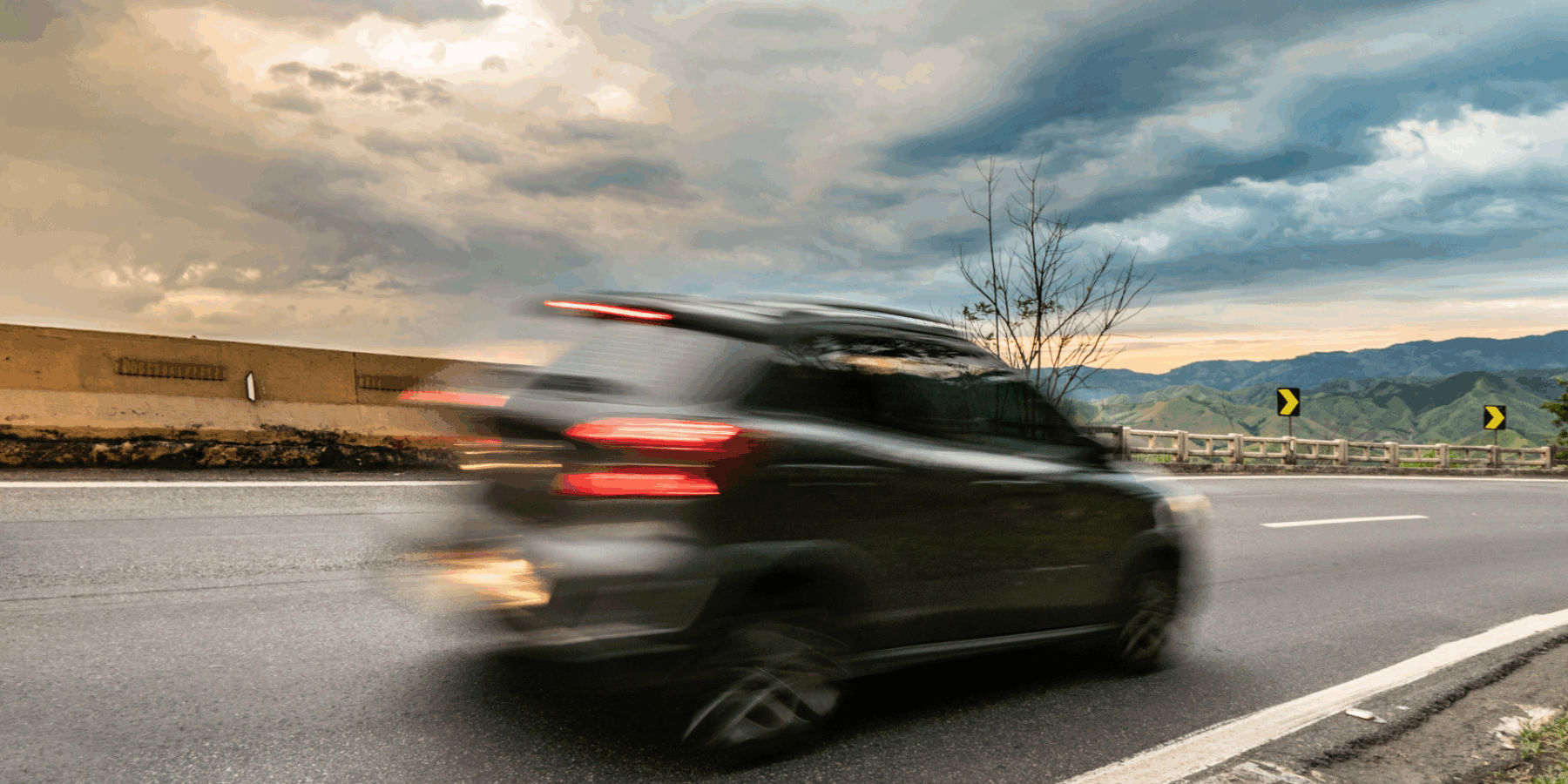
Speeding Mesa Driver Near Loop 101 and 202 Interchange Hospitalized After Crashing Head-On
A speeding driver was hospitalized after a serious head-on crash near the Loop 101 and Loop 202 interchange in Mesa, according to AZ Family. Authorities say the collision occurred when the driver, traveling at a high rate of speed, crossed into oncoming traffic and struck another vehicle head-on. Emergency crews responded to the scene and transported the driver to the hospital with serious injuries, while investigators worked to determine what led to the crash. Officials have not released further details about potential contributing factors as the investigation remains ongoing.
This severe Mesa crash highlights the extreme dangers associated with speeding and reckless driving, especially in busy interchange areas where traffic patterns change quickly. Head-on collisions are among the most dangerous types of crashes and often result in catastrophic injuries for everyone involved. Incidents like this raise serious concerns about driver behavior, roadway safety, and accountability when excessive speed puts lives at risk. At Desert Star Law, we understand how overwhelming a serious Mesa car crash can be for injured victims and their families. If you or a loved one has been affected by a dangerous speeding crash in the Mesa area, call Desert Star Law at (602) 773-7756 to discuss your options and learn how we can help.
Why an Attorney Is Needed After a Mesa Car Crash Involving Speeding
A Mesa car crash involving speeding often raises complex legal and factual questions, and Desert Star Law understands how critical early legal guidance can be in these situations. When excessive speed contributes to a collision, determining fault may involve analyzing crash data, vehicle damage, and witness accounts to understand how the impact occurred. Speed-related crashes frequently result in severe injuries, which can lead to long-term medical care and significant financial strain. Legal support helps ensure that all contributing factors are thoroughly examined and that important evidence is preserved.
In addition, an attorney can help individuals affected by a Mesa car crash involving speeding navigate interactions with insurance companies and other parties involved. Insurance carriers may attempt to minimize liability or dispute the role speed played in the crash, particularly in serious collisions. Legal representation helps protect the injured party’s interests by evaluating damages, coordinating investigations, and addressing procedural requirements. This guidance provides clarity and stability during a challenging recovery period.

Understanding the Dangers of a Mesa Car Crash Involving Speeding
A Mesa car crash involving speeding poses serious risks because excessive speed fundamentally changes how a vehicle responds to road conditions. When drivers exceed safe speeds, they reduce their ability to react to hazards, traffic signals, and sudden stops. Speed also magnifies mistakes, meaning even small errors can lead to devastating outcomes. These dangers make speeding one of the most significant contributing factors in severe and fatal crashes.
How Excessive Speed Increases Crash Severity
Excessive speed directly affects both the likelihood and severity of a crash. Higher speeds reduce the margin for error and increase the energy released during impact. As a result, collisions tend to cause more extensive vehicle damage and more serious injuries. Understanding how speed worsens outcomes helps explain why speeding-related crashes often have life-altering consequences.
Reduced Reaction Time and Longer Stopping Distances
When a vehicle travels at high speeds, the driver has less time to perceive hazards and respond appropriately. Stopping distances increase significantly, making it harder to avoid collisions even when brakes are applied immediately. This delay often results in rear-end crashes, intersection collisions, or loss of control. Reduced reaction time is a key reason speeding leads to serious accidents.
Increased Force of Impact During Collisions
The force generated during a collision increases exponentially as speed rises. Higher impact forces place extreme stress on vehicle structures and occupants’ bodies. This often leads to severe injuries even when safety systems function properly. Increased force of impact explains why speeding crashes frequently result in catastrophic damage.
Why Speeding Makes Crashes More Difficult to Avoid
Speeding limits a driver’s ability to adapt to changing road and traffic conditions. Drivers traveling too fast may not have enough time to recognize hazards or make corrective maneuvers. This lack of adaptability increases crash risk in both urban and highway settings. Speeding therefore reduces overall roadway safety for everyone.
Limited Ability to Respond to Traffic Changes
Traffic conditions can change quickly due to congestion, merging vehicles, or sudden stops. Speeding drivers often cannot slow down or change lanes safely when these changes occur. This increases the likelihood of collisions involving multiple vehicles. In busy areas, the risk becomes even greater.
Higher Risk in Intersections and High-Traffic Areas
Intersections and high-traffic corridors require careful attention and controlled speeds. Speeding through these areas reduces the ability to yield, stop, or avoid crossing traffic. Many severe crashes occur when speeding vehicles enter intersections too quickly. These environments amplify the dangers of excessive speed.
Safety Limitations in High-Speed Crashes
Vehicle safety features are designed to protect occupants within certain speed ranges. At extreme speeds, these systems may not prevent serious injury. The limits of safety technology become apparent in high-speed crashes. This underscores why speed control remains critical.
Reduced Effectiveness of Seat Belts and Airbags
Seat belts and airbags are most effective when collisions occur within anticipated force levels. At high speeds, the force of impact can overwhelm these systems. Occupants may still suffer serious injuries despite proper restraint use. This limitation highlights the dangers of excessive speed.
Greater Risk of Vehicle Intrusion and Ejection
High-speed crashes increase the risk of vehicle structures collapsing or deforming. Intrusion into the passenger compartment raises the likelihood of severe injury. The risk of occupant ejection also rises when impact forces exceed design thresholds. These outcomes often lead to catastrophic consequences.
Common Injuries Caused by a Mesa Car Crash Involving Speeding
Injuries from a Mesa car crash involving speeding are often severe due to the violent nature of high-speed impacts. Victims frequently experience trauma that requires immediate emergency care and long-term treatment. The human body is not designed to withstand the forces generated in these crashes. As a result, injuries can have lasting physical and emotional effects.
Traumatic and Life-Threatening Injuries
High-speed collisions commonly result in injuries that threaten life or cause permanent disability. These injuries often require extensive medical intervention and rehabilitation. Recovery may be uncertain and emotionally challenging. Early treatment plays a critical role in outcomes.
Traumatic Brain Injuries and Head Trauma
Traumatic brain injuries occur when the head strikes an object or experiences rapid acceleration and deceleration. Symptoms may include memory loss, confusion, or long-term cognitive impairment. Even moderate brain injuries can have lasting effects on daily life. These injuries often require specialized neurological care.
Spinal Cord Injuries and Paralysis
Spinal cord injuries can lead to partial or complete paralysis depending on severity and location. Victims may lose mobility, sensation, or independence. Treatment often involves surgery, rehabilitation, and lifelong support. These injuries dramatically alter quality of life.
Orthopedic and Musculoskeletal Injuries
Bones, joints, and soft tissues commonly sustain damage in high-speed crashes. These injuries may limit mobility and cause chronic pain. Healing often takes months and may require surgery. Long-term complications are not uncommon.
Complex Fractures and Multiple Broken Bones
High-impact crashes frequently cause complex fractures involving multiple bones. Some fractures require surgical fixation and extended immobilization. Recovery can disrupt work and daily activities. Multiple fractures increase the risk of complications.
Soft Tissue Injuries and Whiplash
Whiplash and soft tissue injuries affect muscles, ligaments, and tendons. Symptoms may not appear immediately and can worsen over time. These injuries often cause persistent discomfort. Proper diagnosis and treatment are important for recovery.
Internal and Long-Term Health Complications
Not all injuries are visible at the scene of a crash. Internal damage may develop into serious conditions if left untreated. Long-term complications can significantly affect daily life. Monitoring and follow-up care are essential.
Internal Organ Damage and Internal Bleeding
Blunt force trauma can damage organs such as the liver, lungs, or spleen. Internal bleeding may require emergency surgery. Symptoms may appear hours after the crash. Prompt evaluation is critical.
Chronic Pain and Permanent Impairment
Some victims experience ongoing pain or permanent impairment following a speeding-related crash. These conditions may limit employment and independence. Long-term treatment and lifestyle adjustments may be necessary. The impact often extends beyond physical symptoms.
How Speed Is Proven in a Mesa Car Crash Involving Speeding
Establishing speed in a Mesa car crash involving speeding requires careful examination of objective evidence. Investigators rely on physical data rather than assumptions or statements alone. Multiple sources are often used to confirm speed-related findings. Proving speed plays a central role in determining liability.
Physical Evidence Used to Establish Speed
Physical evidence at the crash scene provides valuable insight into vehicle speed. This evidence helps reconstruct how the collision occurred. Investigators analyze patterns and measurements to estimate speed. These findings often support or refute claims of excessive speed.
Skid Marks, Debris Patterns, and Roadway Evidence
Skid marks indicate braking distance and reaction time. Debris patterns reveal points of impact and vehicle movement. Roadway evidence helps establish speed estimates. Together, these details form a clearer picture of the crash.
Extent of Vehicle Damage and Impact Zones
The severity and location of vehicle damage often correlate with speed. Crumple zones, intrusion, and deformation provide important clues. Investigators use this information to assess impact force. Damage analysis supports speed determinations.
Digital and Electronic Data Sources
Modern vehicles and infrastructure often record valuable data. Electronic sources provide objective measurements. This data can confirm or contradict other evidence. Digital records play an increasing role in crash investigations.
Event Data Recorders and Vehicle Telemetry
Event data recorders capture speed, braking, and throttle input moments before impact. Vehicle telemetry offers precise insight into driver behavior. This data is highly reliable. Preserving it early is essential.
Traffic Cameras and Nearby Surveillance Footage
Traffic cameras and private surveillance systems may capture the crash or events leading up to it. Video evidence provides visual confirmation of speed and movement. Footage can clarify disputed facts. Timely retrieval is important.
Witness and Expert Contributions
Witnesses and experts help interpret evidence and provide context. Their input often resolves conflicting accounts. Expert analysis strengthens conclusions. Courts frequently rely on this testimony.
Eyewitness Statements and Observations
Witnesses may describe vehicle speed, driving behavior, and road conditions. Their observations add perspective. Consistent accounts support findings. Witness credibility matters.
Accident Reconstruction and Expert Analysis
Accident reconstruction experts use physics and engineering principles to analyze crashes. Their analysis explains how speed contributed to the collision. Expert opinions help clarify complex issues. This testimony is often decisive.
Liability Challenges in a Mesa Car Crash Involving Speeding
Determining liability in a Mesa car crash involving speeding often involves detailed analysis and competing interpretations of the evidence. While speeding is a significant factor, it is rarely the only issue examined during an investigation. Liability disputes frequently arise when parties disagree about what caused the crash and how much weight speed should carry. These challenges make careful evaluation essential.
Disputes Over the Role of Speed in the Collision
Speed is often central to the investigation, yet it may be disputed by insurance companies or other involved parties. Opposing sides may argue that speed was only one of several contributing factors. This disagreement can complicate fault determinations. Clear evidence is necessary to resolve these disputes.
Arguing Whether Speed Was the Primary Cause
Some parties may contend that the crash would have occurred regardless of speed. They may argue that road conditions, traffic flow, or another driver’s actions were more significant. Establishing speed as the primary cause requires demonstrating how it directly contributed to the collision. This often involves physical and digital evidence.
Claims That Other Factors Contributed to the Crash
Other contributing factors may include distracted driving, improper lane changes, or failure to yield. These claims can shift or reduce perceived responsibility. Evaluating how each factor interacted with speed is critical. Fault allocation depends on this broader analysis.
Distinguishing Negligence From Reckless Driving
Not all speeding behavior is treated the same under the law. The degree of speed can influence how liability is characterized. Understanding this distinction helps clarify legal responsibility. It may also affect damages considerations.
How Degree of Speed Affects Liability Analysis
Driving slightly above the speed limit may be considered negligence, while extreme speeding can suggest reckless behavior. Higher speeds often indicate greater disregard for safety. This distinction may influence how fault is assessed. Evidence helps determine where conduct falls on this spectrum.
When Speeding May Rise to Reckless Conduct
Reckless conduct involves conscious disregard of a substantial risk. Excessive speeding in congested areas or dangerous conditions may meet this standard. Such behavior often increases legal exposure. Courts examine circumstances closely to make this determination.
High-Stakes Liability Issues in Serious Injury Cases
Liability disputes intensify when a Mesa car crash involving speeding results in serious or catastrophic injuries. Higher damages lead to more aggressive defense strategies. Responsibility becomes more contested. These cases require thorough preparation.
Increased Scrutiny When Injuries Are Severe
Severe injuries prompt deeper investigation into all contributing factors. Insurance carriers may challenge liability more forcefully. Every detail becomes important. Scrutiny increases as potential compensation rises.
Challenges When Financial Exposure Is Significant
When potential damages are substantial, parties may dispute liability to limit exposure. This can prolong resolution and increase complexity. Clear evidence becomes even more important. Accurate fault determination is essential.
The Role of Evidence in a Mesa Car Crash Involving Speeding
Evidence is the foundation of any claim involving a Mesa car crash involving speeding. Speed must be demonstrated through objective proof rather than assumption. Strong evidence helps establish causation and responsibility. Without it, liability remains uncertain.
Importance of Objective Proof in Speed-Related Claims
Objective evidence provides clarity and credibility in speed-related cases. It reduces reliance on conflicting statements or subjective opinions. Courts and insurers rely heavily on verifiable data. This proof strengthens liability arguments.
Why Speed Must Be Proven With Evidence
Speed cannot be inferred solely from vehicle damage or injury severity. Concrete evidence is required to establish how fast a vehicle was traveling. This proof supports claims of negligence or recklessness. Accurate speed determination is critical.
Limitations of Driver Statements Alone
Driver statements may be incomplete, inaccurate, or self-serving. Stress and memory gaps can affect recollection. Statements alone rarely provide sufficient proof. Objective data is necessary to confirm or challenge these accounts.
Types of Evidence Used to Establish Speed
Multiple forms of evidence are often used together to determine speed. Each type provides a different perspective on the collision. Combined analysis improves accuracy. This comprehensive approach strengthens findings.
Physical Crash Scene Evidence
Skid marks, debris fields, and impact points offer insight into vehicle speed and movement. These physical indicators help reconstruct the crash. Measurements and photographs preserve these details. Physical evidence remains a key investigative tool.
Digital Vehicle and Traffic Data
Event data recorders capture speed, braking, and acceleration before impact. Traffic cameras and surveillance footage provide visual confirmation. Digital data is often precise and reliable. Preserving this information early is important.
Using Evidence to Counter Liability Disputes
Evidence plays a crucial role in addressing attempts to minimize or shift responsibility. Clear documentation supports consistent narratives. Strong evidence reduces uncertainty. It helps resolve contested issues.
Addressing Attempts to Shift Blame
Opposing parties may argue that others caused or contributed to the crash. Evidence helps counter unsupported claims. Objective proof clarifies actual events. This limits unfair fault allocation.
Strengthening Causation Arguments With Documentation
Documentation connects speeding directly to the collision and resulting harm. Medical records, reports, and expert analysis support causation. This connection is essential for liability. Well-documented cases are harder to dispute.

How Mesa Personal Injury Attorneys Step In After a Serious Crash Involving Speeding
After a serious crash involving speeding in Mesa, injured individuals and families are often left dealing with physical pain, emotional distress, and financial uncertainty. Speed-related collisions tend to cause more severe injuries and raise complex questions about liability and damages. Personal injury attorneys step in to help victims understand their legal rights, preserve critical evidence, and navigate the claims process. This support allows those affected to focus on recovery while their case moves forward.
Investigating the Role of Speed in the Crash
Understanding how speeding contributed to a collision is a key part of building a strong personal injury claim. Speed affects stopping distance, impact force, and the severity of injuries, making it a central issue in many serious crashes. Attorneys work to gather and analyze evidence that demonstrates whether excessive speed played a role. This investigation helps establish negligence and supports accountability.
Analyzing Crash Scene Evidence and Vehicle Damage
Crash scene evidence provides important insight into how fast a vehicle may have been traveling at the time of impact. Skid marks, debris patterns, and the extent of vehicle damage often indicate excessive speed. Attorneys review photographs, measurements, and official reports to reconstruct the sequence of events. This analysis helps connect physical evidence to driver behavior leading up to the crash.
Reviewing Traffic Camera Footage and Event Data
Traffic cameras, nearby surveillance systems, and vehicle event data recorders can provide objective evidence of speed and movement. Event data may show acceleration, braking, and speed just before impact. Attorneys seek out and preserve this information before it is lost or overwritten. Digital evidence often plays a critical role in clarifying disputed facts.
Identifying Liable Parties After a Speeding Collision
Speeding-related crashes may involve more than one responsible party. While the speeding driver is often central, other factors may contribute to unsafe conditions. Identifying all liable parties helps ensure a complete and fair evaluation of responsibility. Attorneys examine every angle to avoid overlooking potential sources of liability.
Determining Driver Negligence and Reckless Behavior
Driving at excessive speeds often constitutes negligence or reckless behavior under Arizona law. Attorneys evaluate whether the driver violated traffic laws or failed to operate the vehicle safely. Evidence such as citations, witness statements, and prior driving behavior may support these findings. Establishing negligence is essential to pursuing compensation.
Evaluating Third-Party Liability When Applicable
In some cases, third parties may share responsibility for a speeding-related crash. This may include vehicle owners, employers, or entities responsible for roadway design or maintenance. Attorneys assess whether unsafe road conditions, faulty vehicle components, or employer policies contributed to the collision. Identifying additional liability can significantly affect the outcome of a claim.
Managing Insurance Claims and Legal Communications
Insurance companies often play a major role in the aftermath of a speeding crash, but their interests may conflict with those of injured victims. Adjusters may question the severity of injuries or dispute how speed contributed to the collision. Attorneys manage these communications to protect their clients’ interests. Careful handling helps prevent misunderstandings and unfair claim outcomes.
Handling Communications With Insurance Adjusters
Statements made to insurance adjusters can be recorded and later used to challenge a claim. Attorneys act as intermediaries, ensuring that communications remain accurate and consistent. This approach helps prevent statements from being taken out of context. Professional communication reduces stress for injured individuals.
Addressing Disputes Over Fault and Damages
Speeding crashes often involve disputes about who was at fault and how damages should be calculated. Insurance companies may attempt to downplay the role of speed or shift blame. Attorneys respond by presenting evidence that clearly demonstrates liability and loss. Resolving these disputes is critical to securing fair compensation.
Calculating the Full Impact of a Speeding-Related Crash
High-speed collisions frequently cause injuries that have lasting physical, emotional, and financial consequences. Calculating damages requires more than adding immediate medical bills. Attorneys work to understand how the crash affects every aspect of a person’s life. A thorough evaluation supports a more accurate claim.
Medical Expenses, Future Care, and Rehabilitation Needs
Medical damages may include emergency treatment, surgeries, hospitalization, and rehabilitation. Many speeding crash injuries require ongoing care or future procedures. Attorneys review medical records and consult providers to estimate long-term needs. This ensures that settlements account for future costs, not just current expenses.
Lost Income, Reduced Earning Capacity, and Pain
Victims may miss work or lose the ability to earn income due to their injuries. Reduced earning capacity can affect long-term financial stability. Non-economic damages such as pain, emotional distress, and loss of enjoyment of life are also considered. These factors reflect the true impact of a serious speeding-related crash.
Preparing for Settlement Negotiations or Litigation
Some speeding crash claims resolve through settlement, while others require litigation to reach a fair outcome. Attorneys prepare for both possibilities from the outset. Strategic preparation helps protect clients regardless of how the case proceeds. Readiness strengthens negotiating positions.
Negotiating Fair Settlements in Speeding Crash Cases
Settlement negotiations involve careful evaluation of evidence, damages, and potential trial outcomes. Attorneys advocate for settlements that reflect the seriousness of speeding-related injuries. Fair settlements can provide timely financial relief without prolonged litigation. Strong preparation supports effective negotiation.
Building a Strong Case When Trial Becomes Necessary
When settlement is not possible, trial preparation becomes essential. Attorneys organize evidence, prepare witnesses, and develop persuasive arguments. Presenting a clear narrative helps juries understand how speed caused harm. Thorough trial readiness ensures that claims can be fully pursued when necessary.
Contact a Mesa Car Crash Lawyer Experienced in Speeding Claims Today
A serious Mesa car crash involving speeding can leave victims facing painful injuries, mounting medical bills, and uncertainty about what steps to take next. At Desert Star Law, we understand how overwhelming the aftermath of a high-speed collision can be, especially when injuries disrupt your health, work, and daily life. Our team takes the time to listen, review the circumstances of the crash, and explain available legal options in clear, straightforward terms. We focus on helping injured individuals understand their rights while pursuing accountability when reckless speed puts lives at risk.
Choosing legal representation with experience handling speeding-related crash claims can make a meaningful difference in how a case moves forward. Desert Star Law is committed to thoroughly investigating the facts, evaluating damages, and advocating for fair outcomes on behalf of those injured in Mesa car crashes involving speeding. We work to handle the legal and insurance challenges so our clients can focus on recovery. If you or a loved one has been injured in a Mesa car crash involving speeding, contact us today by calling (602) 773-7756 or by filling out our online form to discuss your situation and learn how we can help.
Contact usfor a free consultation.
Phone: (602) 755-9760