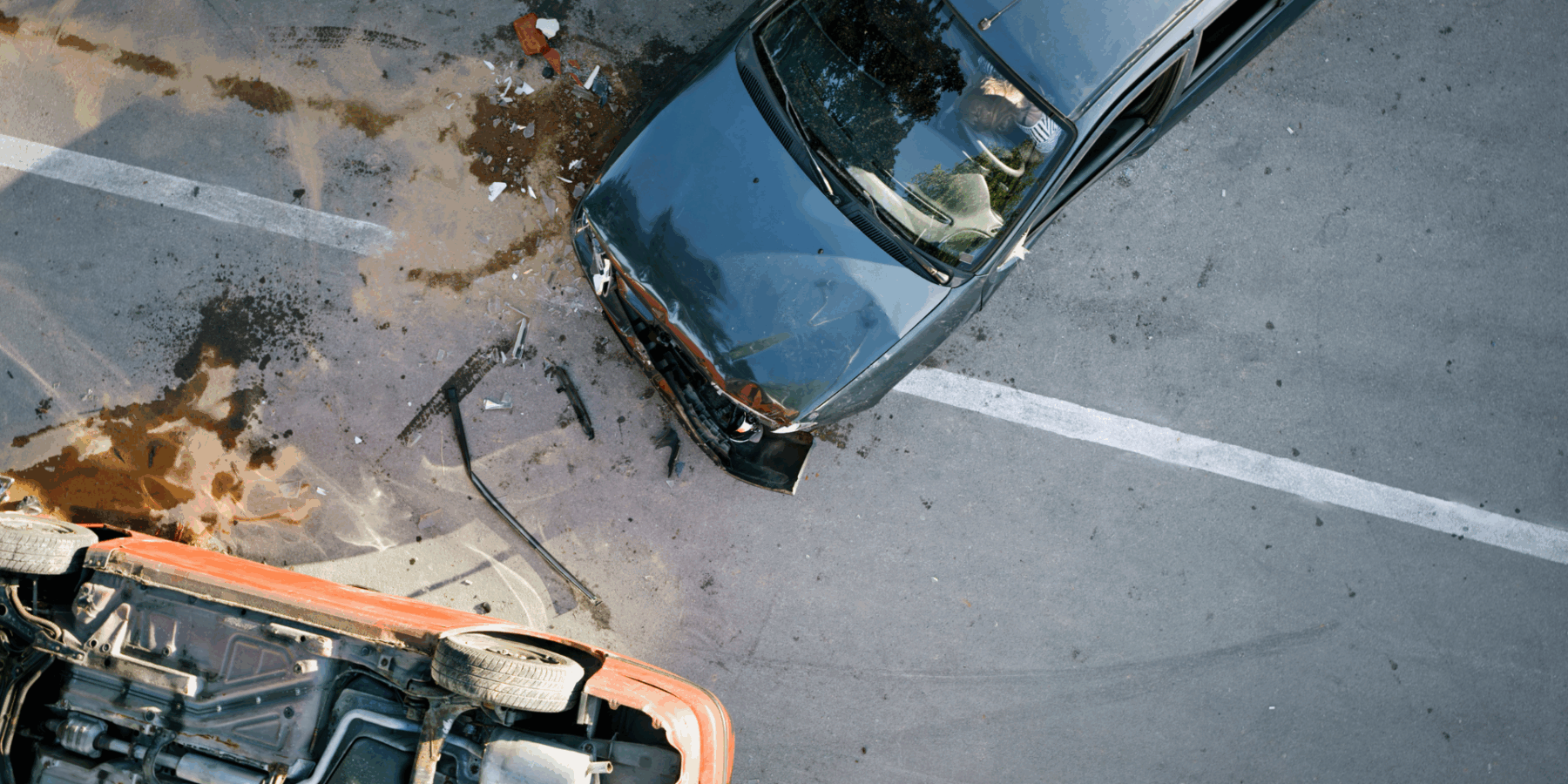
Fiery Litchfield Park Car Crash Leaves One Dead, Other Driver Hospitalized
One person was killed and another was hospitalized after a fiery two-vehicle crash near Litchfield Park two weeks ago, according to AZ Family. The driver has remained hospitalized with critical injuries, and their current condition remains unknown. The second driver was pronounced dead at the scene. Investigators observed a pickup truck with fire damage and another vehicle with extensive damage to the driver’s side, though it remains unclear which driver was in each vehicle as the Avondale Police Department continues to investigate.
This devastating two-vehicle crash underscores how quickly routine travel can turn tragic, particularly during late-night hours when visibility and reaction time may be reduced. Collisions that result in vehicle fires often cause catastrophic damage, leaving victims and families facing sudden loss, severe injuries, and many unanswered questions. In the aftermath, loved ones may struggle with emotional trauma, unexpected medical expenses, and uncertainty as investigators work to determine what happened. At Desert Star Law, we understand the profound impact a fatal crash in the Litchfield Park area can have on families, and we are committed to providing compassionate guidance and strong legal advocacy during this difficult time. If you or a loved one has been involved in a serious accident, give us a call today at (602) 773-7756.
How a Litchfield Park Car Crash Attorney Provides Expert Legal Representation
A Litchfield Park car crash can leave victims and families facing overwhelming injuries, emotional distress, and sudden financial strain, which is why experienced legal representation matters. At Desert Star Law, we understand that serious collisions often involve complex investigations, disputed liability, and aggressive insurance tactics. Our attorneys work to protect clients by thoroughly investigating the crash, preserving critical evidence, and identifying all responsible parties. This approach helps ensure victims are treated fairly while their legal rights are fully protected.
At Desert Star Law, we provide hands-on representation throughout every stage of a car crash claim. Our team handles communication with insurance companies, evaluates the full extent of damages, and builds strong cases designed to pursue maximum compensation. We know how difficult life can become after a serious collision, especially when injuries or fatalities are involved. By offering clear guidance and dedicated advocacy, we help our Arizona clients focus on healing while we handle the legal complexities on their behalf.
What to Do After a Litchfield Park Car Crash
The steps taken after a Litchfield Park car crash can strongly influence medical recovery and legal outcomes. Many crash victims experience shock, confusion, or adrenaline that masks pain. Injuries may worsen hours or days later without proper care. Acting carefully and deliberately helps protect both health and legal rights.
Seek Immediate Medical Attention
Medical care should always be the first priority after a car crash. Some injuries, including concussions or internal trauma, may not cause immediate symptoms. Early evaluation helps identify hidden injuries before they worsen. Medical records also create important documentation linking injuries to the crash.
Follow All Treatment Recommendations
Doctors may recommend follow-up visits, diagnostic imaging, or physical therapy. Ignoring medical advice can delay healing and worsen long-term outcomes. Consistent treatment supports both physical recovery and medical credibility. Following recommendations also helps document the seriousness of injuries.
Contact Law Enforcement
Law enforcement should be contacted after a Litchfield Park car crash whenever possible. Officers document the scene, vehicle positions, and initial statements. A police report provides an official account of the incident. This documentation often plays a key role in insurance and legal claims.
Obtain a Copy of the Police Report
Police reports typically include driver information, witness names, and preliminary findings. Reviewing the report helps identify inaccuracies or missing details. Errors can affect fault determinations. Keeping a copy ensures access when filing claims.
Document the Crash Scene
If physically able, documenting the crash scene can be extremely valuable. Photos of vehicle damage, road conditions, and traffic signs preserve details. Images may capture skid marks or debris that later disappears. This evidence can be critical during investigations.
Preserve Physical Evidence
Damaged vehicles, personal items, and safety equipment should be preserved. Avoid repairing or discarding evidence too quickly. Physical items may reveal impact points or defects. Preservation helps support liability and damage claims.
Exchange Information Carefully
Drivers should exchange required information at the scene of the crash. This includes names, contact details, and insurance information. Avoid discussing fault or speculating about causes. Statements made at the scene can be misunderstood or misused.
Limit Conversations About the Crash
Emotions often run high after serious collisions. Casual remarks may later be taken out of context. Keep conversations brief and factual. Allow investigators and insurers to determine responsibility.
Gather Witness Information
Witnesses can provide valuable insight into how the crash occurred. Collecting names and contact information is important when possible. Independent witnesses often strengthen claims. Their accounts may confirm driver behavior or traffic violations.
Act Quickly With Witnesses
Witness memories fade as time passes after a crash. Early contact helps preserve accurate recollections. Witnesses may relocate or become unreachable later. Prompt follow-up improves reliability.
Avoid Speaking With Insurance Companies Alone
Insurance adjusters may contact victims shortly after a Litchfield Park car crash. They often request statements or propose early settlements. These conversations may affect compensation outcomes. Caution is strongly advised.
Decline Recorded Statements
Recorded statements can contain unintentional inaccuracies. Stress, pain, or medication may affect memory. Statements may later be used to dispute claims. Legal guidance helps manage these interactions safely.
Consult an Experienced Car Crash Lawyer
Legal guidance is often essential after a serious car crash. An attorney explains rights, responsibilities, and available options clearly. Early involvement helps preserve evidence and protect claims. Professional support reduces stress during recovery.
Understand Your Legal Options
An attorney evaluates liability, damages, and potential compensation. Deadlines and procedural requirements may apply. Understanding options helps avoid costly mistakes. Legal advice provides clarity during an uncertain time.

How Insurance Companies Handle a Litchfield Park Car Crash
Insurance companies often move quickly after a Litchfield Park car crash to protect their financial interests. Their primary goal is to limit payouts whenever possible. Even when liability seems clear, insurers may dispute fault or damages. Understanding their approach helps crash victims avoid common pitfalls.
Early Contact With Crash Victims
Insurance adjusters may contact victims shortly after a car crash occurs. These calls often happen before injuries are fully diagnosed. Adjusters may sound sympathetic while gathering information. Early conversations can shape how a claim is handled.
Requests for Recorded Statements
Adjusters often ask for recorded statements during initial contact. Victims may still be in pain or emotional distress. Statements made under stress can include inaccuracies. These recordings may later be used to challenge the claim.
Questioning Liability and Fault
Insurance companies frequently dispute fault after a Litchfield Park car crash. They may argue another driver caused the collision. Partial fault claims are common, even without strong evidence. Shifting blame reduces the insurer’s responsibility.
Using Comparative Fault Arguments
Arizona law allows compensation to be reduced by shared fault. Insurers may assign fault percentages to lower payouts. Even minor fault allegations can impact compensation. These arguments are often aggressively pursued.
Minimizing Injury Severity
Adjusters closely examine medical records to downplay injuries. They may claim injuries were minor or unrelated. Gaps in treatment are often highlighted. This strategy is used to justify lower settlement offers.
Challenging Medical Treatment
Insurance companies may question whether treatment was necessary. Long-term care recommendations are frequently disputed. Future medical needs may be undervalued. Detailed medical documentation becomes essential.
Delaying the Claims Process
Delays are a common insurance tactic during the claims process after serious car crashes. Requests for additional information may be repeated. Investigations may proceed slowly without explanation. Delays can create financial pressure on victims.
Impact of Delays on Victims
Medical bills and lost income can accumulate during delays. Financial stress may push victims toward early settlements. Prolonged uncertainty adds emotional strain. Delays often benefit insurers more than claimants.
Offering Early or Inadequate Settlements
Insurance companies may offer quick settlements after a Litchfield Park car crash. These offers often come before full recovery. Early settlements may not reflect long-term damages. Accepting too soon can limit future compensation.
Risks of Accepting Early Offers
Once a settlement is accepted, further claims are usually barred. Future medical costs may exceed settlement amounts. Ongoing pain or disability may be overlooked. Careful evaluation is critical before agreement.
Requiring Extensive Documentation
Insurers often demand detailed documentation to support claims. This includes medical records, employment information, and proof of damages. Missing documents may delay or weaken claims. Organization becomes important.
Burden Placed on Crash Victims
Managing documentation can be overwhelming during recovery. Errors or omissions may be used against claimants. Insurers may request unnecessary records. Legal guidance helps manage these demands.
Defending Claims Aggressively
Insurance companies prepare claims as potential litigation matters. Legal teams may be involved early in serious crashes. Disputes may escalate quickly. Strong preparation is often necessary.
Preparing for Possible Litigation
Insurers may deny claims or refuse fair settlements. Litigation readiness can influence negotiations. Well-prepared cases often result in better outcomes. Legal advocacy helps balance the process.
Who May Be Held Liable After a Litchfield Park Car Crash
Liability after a Litchfield Park car crash is not always limited to one driver. Many crashes involve multiple contributing factors and responsible parties. Identifying all liable parties is essential to pursuing full compensation. A thorough investigation helps uncover every source of responsibility.
Negligent Motor Vehicle Drivers
Drivers who act negligently are often the primary liable parties in car crash cases. Negligence may include speeding, distracted driving, or failure to obey traffic laws. Even a brief lapse in attention can cause serious harm. Driver behavior is closely examined during investigations.
Distracted or Reckless Driving
Drivers who text, speed, or ignore traffic signals significantly increase crash risks. Reckless maneuvers reduce reaction time and vehicle control. Evidence such as phone records or witness statements may support negligence claims. Proving reckless behavior strengthens liability arguments.
Intoxicated Drivers
Alcohol or drug impairment plays a major role in many serious car crashes. Impaired drivers often misjudge speed, distance, or lane position. These errors frequently result in severe or fatal collisions. Evidence of impairment strongly supports fault determinations.
Criminal and Civil Liability
Intoxicated drivers may face criminal charges following a crash. Criminal cases do not compensate injured victims directly. Civil claims focus on recovering damages for injuries and losses. Evidence from criminal proceedings may support civil liability.
Employers of At-Fault Drivers
Employers may be held liable if a crash occurs while an employee is working. This commonly applies to delivery drivers or company vehicle operators. Employers can be responsible for employee negligence during job duties. Employment records are carefully reviewed.
Scope of Employment Considerations
Liability depends on whether the driver was acting within job responsibilities. Work schedules and assigned tasks are examined closely. Proving employment involvement can expand insurance coverage. This often increases available compensation.
Vehicle Owners
Vehicle owners may be liable even if they were not driving at the time. Liability can arise when owners allow unsafe drivers to use their vehicles. This includes drivers known to be impaired or unlicensed. Ownership and permission records are important evidence.
Negligent Entrustment Claims
Negligent entrustment involves knowingly providing a vehicle to a dangerous driver. Foreseeability of risk is a key element. Successful claims may open additional insurance coverage. These claims are important in serious injury cases.
Government Entities
Some Litchfield Park car crashes involve unsafe roadway conditions. Poor lighting, missing signs, or confusing road design may contribute. Government entities may be responsible for maintaining safe roads. Claims against public agencies follow strict procedures.
Dangerous Roadway Design or Maintenance
Defective intersections or faded markings can increase crash risks. Prior complaints or similar crashes may support liability claims. Engineering studies are often used as evidence. These cases require careful legal handling.
Vehicle Manufacturers and Maintenance Providers
Defective vehicle parts or improper repairs may contribute to crashes. Brake failures or steering defects are common examples. Manufacturers or repair shops may share responsibility. Product liability laws may apply.
Defective Parts and Mechanical Failures
Vehicle defects can cause loss of control or prevent safe stopping. Maintenance records help identify failures. Expert analysis is often required. These claims involve technical evidence.
Third Parties
Other third parties may contribute to a Litchfield Park car crash. Construction companies or property owners may create hazardous conditions. Improper signage or debris can play a role. Each potential party must be evaluated.
Identifying Additional Sources of Liability
Thorough investigation helps uncover overlooked contributors. Multiple liable parties may increase recovery options. Each party’s role is analyzed carefully. Comprehensive review strengthens the overall case.
Compensation Available After a Litchfield Park Car Crash
A Litchfield Park car crash can create serious financial strain for victims and their families. Compensation is intended to address both immediate losses and long-term consequences. Because injuries can be severe, damages often extend far beyond initial expenses. Understanding available compensation helps victims plan for recovery and stability.
Medical Expenses
Medical costs are often the most immediate concern after a car crash. Victims may require emergency care, hospitalization, surgery, and follow-up treatment. Ongoing care such as physical therapy or rehabilitation is common. Compensation helps cover both current and future medical needs.
Long-Term and Future Medical Care
Serious injuries may require extended or lifelong medical treatment. Future care can include medications, assistive devices, and specialized therapy. Physicians often document anticipated medical needs. These projections are critical when determining fair compensation.
Lost Income and Reduced Earning Capacity
Many crash victims are unable to work during recovery. Some injuries permanently limit the ability to return to prior employment. Compensation may include lost wages and reduced earning capacity. This support helps protect long-term financial security.
Impact on Employment and Career Stability
Serious injuries can disrupt career advancement or force job changes. Victims may lose benefits, bonuses, or future earning opportunities. Economic experts often assess these losses. Their evaluations help demonstrate the full financial impact.
Pain and Suffering
Pain and suffering compensation addresses physical pain and emotional distress. Car crash injuries often involve chronic discomfort and daily limitations. Victims may experience reduced enjoyment of life. These non-economic damages reflect real and lasting harm.
Emotional and Psychological Effects
A Litchfield Park car crash can cause anxiety, depression, or post-traumatic stress. Sleep problems and mood changes are common. Mental health treatment may be necessary for recovery. Emotional harm deserves proper consideration.
Property Damage
Vehicles and personal property are often damaged or destroyed in crashes. Compensation may cover repair or replacement costs. Items such as phones or personal belongings may also be included. Accurate valuation prevents additional out-of-pocket loss.
Total Loss and Replacement Costs
Some vehicles are declared total losses after serious collisions. Replacement costs may exceed insurance estimates. Documentation helps support fair valuation. Adequate compensation ensures reliable transportation.
Disability and Permanent Impairment
Some car crashes result in permanent disabilities or impairments. Victims may face lasting physical limitations or reduced independence. Compensation may account for these permanent changes. These damages reflect long-term life impact.
Lifestyle and Daily Living Changes
Permanent injuries may require home modifications or mobility aids. Daily routines and recreational activities may no longer be possible. Compensation helps address these adjustments. Long-term planning becomes necessary.
Wrongful Death Damages
When a Litchfield Park car crash results in death, surviving families may pursue wrongful death compensation. Damages may include funeral expenses and lost financial support. Families may also recover damages for loss of companionship. Compensation helps provide stability after a tragic loss.
Support for Surviving Family Members
Wrongful death damages may help cover future living expenses. Children may receive support for education and care needs. Financial security can ease stress during grief. Legal guidance ensures all damages are considered.

How a Litchfield Park Car Crash Lawyer Builds a Strong Case
Building a strong case after a Litchfield Park car crash requires detailed investigation, strategic planning, and legal experience. Serious collisions often involve disputed facts, extensive injuries, or fatal outcomes. Insurance companies may challenge liability or attempt to minimize damages. A structured legal approach helps protect a client’s right to fair compensation.
Conducting a Thorough Crash Investigation
A lawyer begins by examining how the Litchfield Park car crash occurred and why it happened. This process includes reviewing police reports, photographs, and any available video evidence. Scene conditions such as lighting, traffic flow, and signage are carefully analyzed. Early investigation helps preserve important details before they are lost.
Visiting the Crash Scene
When possible, lawyers or investigators visit the crash location to gain firsthand perspective. They document road design, lane markings, and visibility conditions. Physical inspection can reveal hazards not captured in reports. These observations often support liability arguments.
Collecting and Preserving Key Evidence
Strong evidence forms the foundation of any successful car crash case. Lawyers work to gather physical evidence, digital records, and witness information. Preservation efforts are critical to prevent evidence from being altered or destroyed. A complete evidence file strengthens every aspect of the claim.
Securing Surveillance and Digital Records
Surveillance footage from traffic cameras or nearby businesses can be invaluable. Lawyers act quickly to request and preserve recordings. Digital data may show vehicle movement, speed, or timing. Prompt action increases the likelihood that footage is available.
Analyzing Police Reports and Official Records
Police reports often shape early assessments of fault and liability. Lawyers review these reports carefully for accuracy and completeness. Inconsistencies or missing details can affect case outcomes. Clarifying official records helps strengthen the legal position.
Identifying Citations and Violations
Traffic citations issued at the scene can provide strong evidence of negligence. Lawyers examine violations closely to determine their legal significance. Citations may establish fault or unsafe driving behavior. Official findings often influence settlement discussions.
Interviewing Witnesses
Witness testimony can provide critical insight into how the crash occurred. Lawyers contact witnesses as soon as possible after the incident. Early interviews help preserve accurate memories. Consistent witness accounts can strongly support liability claims.
Evaluating Witness Credibility
Not all witness statements carry the same level of reliability. Lawyers evaluate consistency, perspective, and possible bias. Independent witnesses often provide the strongest testimony. Credible accounts improve negotiation leverage.
Working With Expert Witnesses
Expert witnesses often play a key role in serious car crash cases. Lawyers consult accident reconstruction specialists, medical professionals, and financial experts. These experts help explain complex technical issues clearly. Their analysis strengthens both liability and damages claims.
Accident Reconstruction Analysis
Accident reconstruction experts analyze vehicle damage and scene evidence. They assess speed, impact points, and collision dynamics. This analysis helps clarify disputed facts. Expert conclusions often carry significant weight.
Documenting Injuries and Damages
Proper documentation of injuries is essential for fair compensation. Lawyers collect medical records, treatment plans, and diagnostic reports. These records establish a clear link between the crash and injuries. Detailed documentation supports damage claims.
Evaluating Long-Term Impact
Serious injuries often create long-term physical and financial challenges. Lawyers assess future medical needs and reduced earning capacity. Emotional and lifestyle impacts are also considered. This comprehensive evaluation reflects full damages.
Preparing for Negotiation or Litigation
Preparation is critical whether a case settles or goes to trial. Lawyers build cases as if litigation will occur. This preparation encourages fair settlement offers. If needed, strong trial readiness protects the client’s interests.
Presenting a Clear Case Narrative
A clear and organized case narrative helps decision makers understand the crash. Lawyers present evidence logically and persuasively. Strong storytelling supports credibility. Effective presentation increases the likelihood of success.
Contact a Knowledgeable Litchfield Park Car Crash Lawyer Today
A serious car crash in Litchfield Park can turn lives upside down in an instant, leaving victims and families facing painful injuries, emotional trauma, and unexpected financial burdens. At Desert Star Law, we know how overwhelming the aftermath of a crash can feel, especially when loved ones are hospitalized or lives are lost. Our team is committed to standing with clients during these difficult moments, providing clear guidance and compassionate support while helping them understand their legal options.
At Desert Star Law, we use our experience and resources to pursue accountability and fair compensation for those harmed in serious crashes. We handle the legal burden so our clients can focus on recovery and rebuilding their lives. We begin by thoroughly investigating the crash, reviewing reports, gathering evidence, and identifying all potentially responsible parties. Our team then builds a strong, evidence-based claim designed to protect our clients’ interests and pursue the full compensation they deserve. If you or someone you love has been injured in a Litchfield Park car crash, call us at (602) 773-7756 or contact us online to learn how our team can help protect your rights and pursue the justice you deserve.
Contact usfor a free consultation.
Phone: (602) 755-9760