Call 24/7
(602) 686-9936


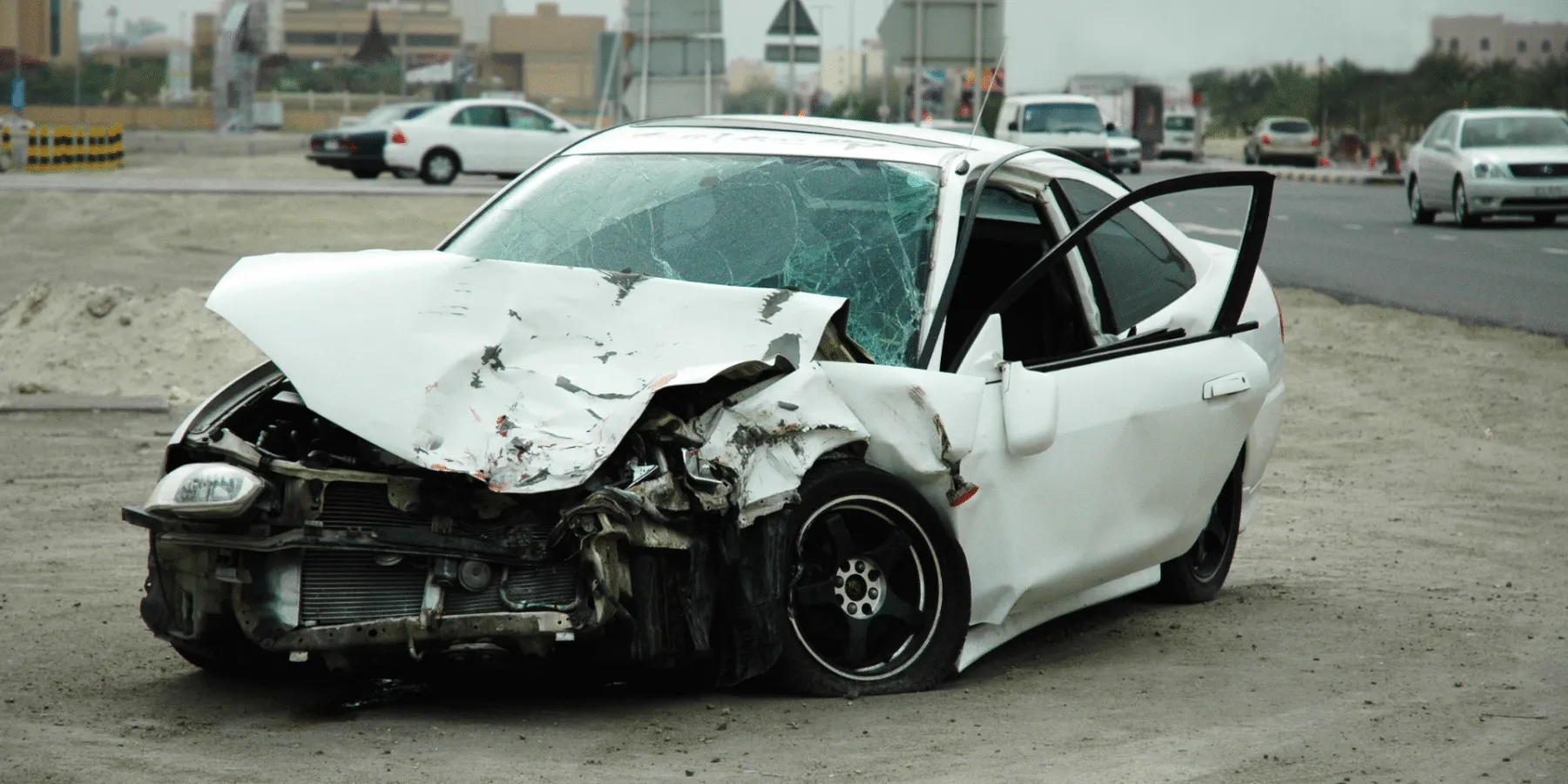
A deadly crash on Interstate 10 in Buckeye forced the closure of eastbound lanes, according to ABC 12 News. The two-vehicle collision occurred around 6:40 a.m. near Verrado Way in the far West Valley when a 24-year-old woman from Tonopah rear-ended a work truck, based on accounts from Arizona State troopers. The woman was taken to a hospital where she later died from her injuries, and no other injuries were reported in the crash. The crash blocked access to the eastbound lanes of I-10 for several hours as crews worked to clear the scene before reopening the freeway later in the morning.
On busy interstates like the I-10, a single moment of inattention or misjudgment can quickly turn into a deadly collision, especially during morning commute hours when traffic volumes are high and speeds remain elevated. Crashes like this underscore how vulnerable drivers can be when congestion, work vehicles, and fast-moving traffic intersect, leaving little time to react. These incidents raise important concerns about roadway safety, driver awareness, and whether additional measures are needed to reduce serious and fatal crashes on heavily traveled highways in the West Valley. At Desert Star Law, we understand how overwhelming serious interstate accidents can be for victims and families. If you’ve been involved in an accident in the Phoenix metro, call us today at (602) 686-9936 and let us give your case the attention it deserves.
After a Buckeye car crash, victims and families are often left dealing with serious injuries, emotional stress, and sudden financial uncertainty. At Desert Star Law, we understand how overwhelming this period can feel, especially when answers are limited and insurance companies move quickly to protect themselves. We work to provide clarity, structure, and advocacy during a time when clients need steady guidance the most. Our focus is on helping individuals understand their rights and pursue accountability after a serious collision.
A thorough investigation is a critical first step after a serious crash. Understanding how the collision occurred helps determine responsibility and strengthens any potential claim. Investigations often uncover details that are not immediately apparent at the scene. This process lays the foundation for pursuing fair outcomes.
Police reports often provide an initial overview of what happened. However, these reports may be incomplete or contain inaccuracies. Reviewing diagrams, statements, and citations helps clarify important details. Crash scene evidence can reveal contributing factors such as speed or following distance.
Roadway conditions and traffic flow can play a significant role in Buckeye car crashes. Construction zones, congestion, and visibility issues may contribute to collisions. Analyzing these factors helps explain how the crash unfolded. This context supports a clearer liability assessment.
Determining who is legally responsible is essential after a Buckeye car crash. Liability may rest with one driver or multiple parties. Identifying responsibility ensures accountability is pursued appropriately. This step also affects available compensation.
Rear-end and highway crashes often involve distraction, fatigue, or failure to maintain a safe distance. Evaluating driver behavior helps establish negligence. Evidence such as witness statements or vehicle damage patterns can support these findings. Clear negligence strengthens a claim.
In some cases, responsibility may extend beyond the drivers involved. Employers, vehicle owners, or maintenance providers may share liability. Exploring third-party responsibility ensures no contributing factor is overlooked. This approach can expand recovery options.
Insurance matters can quickly become complicated after a serious crash. Insurers may request statements or offer early settlements. Managing these interactions carefully is essential. Legal support helps protect clients from unfair tactics.
Insurance adjusters often seek information that may later be used to limit claims. Handling these communications helps prevent misstatements. Clear and consistent responses protect the client’s position. This support reduces stress during recovery.
Early settlement offers may not reflect the full impact of injuries. Reviewing offers helps ensure future medical needs and lost income are considered. Accepting too quickly can limit recovery. Careful evaluation supports informed decisions.
Compensation helps address the financial consequences of a Buckeye car crash. These losses may extend far beyond immediate medical bills. A comprehensive approach ensures all damages are considered. Recovery supports long-term stability.
Serious crashes often require ongoing medical treatment and therapy. Compensation may include hospital care, follow-up visits, and rehabilitation. Documenting these needs helps reflect true costs. Financial recovery supports continued care.
Injuries may prevent a return to work or limit earning ability. Lost wages can create immediate financial strain. Future earning losses may also be significant. Compensation addresses both current and long-term impacts.
Legal representation involves more than pursuing compensation. Ongoing guidance helps clients feel supported throughout the process. Clear communication reduces uncertainty. Support plays an important role during recovery.
Regular updates help clients understand what is happening with their case. Clear explanations prevent confusion and anxiety. Staying informed builds trust. Clients remain engaged without feeling overwhelmed.
Handling legal and insurance matters allows clients to focus on recovery. Reducing administrative burdens supports physical and emotional healing. Legal guidance provides stability during a difficult time. This support makes a meaningful difference.
A Buckeye car crash can leave victims facing significant physical, emotional, and financial challenges that extend far beyond the initial accident. Compensation aims to help injured individuals recover stability while addressing both immediate expenses and long-term consequences. Understanding the types of compensation that may be available allows victims and families to make informed decisions during a difficult time. These claims aim to reflect the full scope of harm caused by the crash.
Economic damages cover the direct financial losses resulting from a car crash. These losses are often measurable and documented through records and receipts. Compensation for economic damages helps reduce the financial strain caused by unexpected injuries. This support is especially important when recovery requires ongoing care.
Medical costs often begin immediately after a crash and can continue for months or years. Emergency care, hospital stays, surgeries, and rehabilitation all contribute to rising expenses. Ongoing treatment such as physical therapy or specialist care may also be necessary. Compensation helps ensure access to needed medical services without added financial pressure.
Injuries from a Buckeye car crash may prevent victims from working temporarily or permanently. Lost wages can quickly disrupt household finances. Some injuries also limit future earning potential, especially in physically demanding jobs. Compensation may address both current income loss and long-term earning reductions.
Non-economic damages address the personal impact of a car crash that cannot be measured by bills alone. These damages recognize how injuries affect daily life, relationships, and emotional well-being. Although less tangible, they are an important part of recovery. Compensation acknowledges these deeper harms.
Physical pain and discomfort often accompany serious crash injuries. Pain may persist long after initial treatment ends. Compensation considers the severity and duration of this suffering. This recognition reflects the ongoing challenges victims may face.
Car crashes can lead to anxiety, depression, or trauma that affects quality of life. Victims may struggle to enjoy activities they once loved. Emotional distress can interfere with relationships and daily routines. Compensation helps acknowledge these life-altering effects.
Property damage is often one of the first losses noticed after a Buckeye car crash. Vehicles may be severely damaged or totaled. The crash may also affect personal belongings inside the vehicle. Compensation helps address these tangible losses.
Repairing or replacing a damaged vehicle can be costly. Compensation may cover repair bills or the fair market value of a totaled car. This recovery helps victims regain reliable transportation. Transportation is often essential for work and medical care.
Items inside the vehicle may be damaged during the crash. Phones, laptops, or other personal belongings can be expensive to replace. Compensation may include these losses. Documenting damaged items supports recovery.
When a Buckeye car crash results in death, compensation focuses on supporting surviving family members. These claims address both financial losses and emotional harm. Families often face sudden expenses and long-term changes. Compensation helps provide stability during a devastating time.
Funeral and burial costs can be substantial and unexpected. These expenses often arise shortly after the loss. Compensation may help cover reasonable funeral-related costs. This support eases financial stress during mourning.
Families may lose a primary source of income after a fatal crash. The loss of companionship, guidance, and care also deeply affects loved ones. Compensation recognizes both economic and emotional losses. These damages reflect long-term impact on the family.
Compensation amounts vary based on the specific details of each case. Injury severity, liability, and insurance coverage all play a role. Evidence quality also affects outcomes. Understanding these factors helps set realistic expectations.
Medical records, employment documents, and expert evaluations support compensation claims. Strong documentation helps establish the full extent of losses. Clear evidence reduces disputes with insurers. Preparation strengthens the claim.
Arizona law considers comparative fault when determining compensation. If a victim shares responsibility, recovery may be reduced. Understanding how fault is assessed is important. This factor directly impacts compensation amounts.
Compensation is not only about addressing past losses but also about supporting future needs. Financial stability helps victims focus on healing. Long-term planning becomes more manageable. Compensation plays a key role in recovery.
Serious injuries may require long-term rehabilitation or adaptive equipment. Compensation helps cover these future needs. Planning for continued care improves outcomes. Financial support allows access to appropriate resources.
Recovery after a Buckeye car crash can be unpredictable. Compensation helps reduce financial uncertainty during this period. Stability allows victims to prioritize health and well-being. This support makes a meaningful difference.
After a Buckeye car crash, the actions taken in the hours and days that follow can significantly affect physical recovery, financial stability, and legal outcomes. Delays can result in lost evidence, weakened claims, and unnecessary complications with insurance companies. Acting promptly helps protect important rights while ensuring injuries and losses are properly documented. Immediate action creates a stronger foundation for accountability and recovery.
Seeking medical care right away is one of the most important steps after a car crash. Some injuries may not present obvious symptoms immediately. Early treatment protects health and creates essential records. These records often become critical later.
Soft tissue injuries, head trauma, and internal injuries may worsen over time. Symptoms such as pain or dizziness may appear hours or days later. Prompt evaluation helps identify these conditions early. Early diagnosis supports better recovery outcomes.
Medical records link injuries directly to the Buckeye car crash. These records show timing, severity, and treatment needs. Gaps in treatment can raise questions later. Consistent documentation strengthens any claim.
Evidence from a car crash scene can disappear quickly. Vehicles are repaired, road conditions change, and memories fade. Acting quickly helps secure critical information. Preserved evidence supports accurate reconstruction of the crash.
Photos of vehicle damage and roadway conditions provide valuable insight. Skid marks, debris, and impact points may only be visible briefly. Vehicle inspections can reveal mechanical issues or crash dynamics. Early collection prevents loss.
Witnesses may leave the scene or become difficult to locate. Early contact improves accuracy and reliability. Written or recorded statements help preserve observations. Witness testimony often plays a key role in liability disputes.
Insurance companies often move quickly after a Buckeye car crash. Early statements and offers may not reflect full losses. Immediate action helps prevent mistakes that could limit recovery. Awareness protects long-term interests.
Insurance adjusters may request recorded statements soon after the crash. These statements can be misinterpreted or used against claimants. Delaying or managing communication helps avoid errors. Careful handling protects credibility.
Early settlement offers often focus on short-term costs only. Long-term medical needs and income loss may not yet be known. Accepting too soon can close the door to future compensation. Immediate action helps ensure informed decisions.
Strict deadlines apply after a Buckeye car crash. Missing these deadlines can prevent recovery entirely. Acting promptly helps ensure compliance. Time-sensitive requirements should never be overlooked.
Arizona law imposes time limits on personal injury and wrongful death claims. These limits begin running soon after the crash. Waiting too long can bar claims completely. Early awareness protects legal rights.
Insurance policies often require prompt notice of a crash. Delays may lead to coverage disputes or denial. Early reporting preserves benefits. Compliance avoids unnecessary complications.
Immediate action helps establish clear liability and damages. Early evidence creates a stronger narrative of what occurred. This preparation supports negotiations and potential litigation. Strong claims begin early.
Early investigation helps determine who caused the crash. Evidence gathered quickly is often more reliable. Clear fault findings reduce disputes. Liability clarity supports accountability.
Financial and personal losses begin immediately after a crash. Keeping records from the beginning helps capture the full impact. Medical bills, missed work, and daily limitations should be documented early. This documentation strengthens compensation claims.
Taking prompt action provides structure during a chaotic time. Knowing steps are being taken can ease anxiety. Organization helps victims focus on healing. Early action supports peace of mind.
Immediate steps help victims understand what comes next. Clear direction reduces confusion. Planning supports confidence. Recovery feels more manageable.
Small issues can grow if ignored. Early attention prevents disputes from worsening. Proactive action saves time and stress. Prevention supports better outcomes overall.
Holding negligent drivers accountable after a Buckeye car crash is an essential step in promoting justice, safety, and fair recovery for injured victims and their families. Accountability ensures that careless or reckless behavior does not go unanswered and that those harmed are not left carrying the burden alone. When negligence is addressed directly, it reinforces the importance of responsible driving on Arizona roadways. This process also plays a critical role in preventing similar crashes in the future.
Driver negligence occurs when a motorist fails to exercise reasonable care while operating a vehicle. This failure can take many forms and often leads to preventable collisions. Understanding negligence helps clarify why accountability matters after a Buckeye car crash. Clear definitions support fair evaluation of responsibility.
Negligent driving behaviors frequently include speeding, distraction, and failure to obey traffic laws. Following too closely, running red lights, and improper lane changes are also common factors. These actions increase crash risk and severity. Identifying specific behaviors helps establish fault.
Negligence is evaluated by comparing a driver’s actions to what a reasonably careful driver would have done. Evidence such as reports, witness statements, and physical damage is reviewed. This comparison helps determine whether the driver breached a duty of care. Clear evaluation supports accountability.
Establishing liability involves showing that a driver’s negligence caused the crash and resulting injuries. This process connects actions directly to harm. Strong liability findings are essential for pursuing compensation. Clear responsibility reduces disputes.
Liability requires showing that the driver owed a duty of care and breached it. The breach must be directly linked to the crash. Evidence demonstrates how the breach caused injuries or losses. This framework supports legal accountability.
Evidence such as crash photos, vehicle damage, and surveillance footage helps establish fault. Medical records connect injuries to the collision. Witness accounts provide independent confirmation. Together, this evidence builds a clear case.
Arizona follows comparative negligence rules that can affect accountability. In some cases, more than one party may share fault. Understanding how fault is divided is important. Accountability must reflect actual responsibility.
If multiple drivers contribute to a crash, fault may be apportioned. Each party is held responsible for their percentage of fault. This approach ensures fairness. Accurate fault allocation supports proper compensation.
Negligent drivers or insurers may attempt to blame others unfairly. Evidence helps counter these claims. Clear documentation protects injured parties from reduced accountability. Challenging blame-shifting is often necessary.
After a serious accident, choosing the right legal representation can make a meaningful difference in your recovery and financial future. Buckeye personal injury attorneys focus on protecting injured individuals from being taken advantage of during an already stressful time. Trust is built through experience, consistent communication, and a commitment to pursuing fair outcomes. Having dedicated legal advocates allows victims to move forward with confidence, knowing their case is being handled with care and determination.
Personal injury cases often involve complicated legal and insurance issues. Attorneys with experience understand how to navigate these challenges efficiently. Their familiarity with local courts, insurers, and procedures helps avoid unnecessary delays. Experience provides a strong foundation for effective advocacy.
Arizona personal injury laws contain specific rules that can impact a claim’s success. Attorneys stay current on statutes, filing deadlines, and liability standards. This knowledge helps ensure claims are handled correctly from the start. Proper application of the law protects a client’s rights.
Insurance companies often use strategies to minimize payouts. Experienced attorneys recognize these tactics quickly. They know how to respond effectively and protect clients from unfair practices. This awareness helps level the playing field.
Trust grows when clients feel heard and supported. Personal injury attorneys prioritize communication and responsiveness. A client-focused approach ensures legal strategies align with individual needs and goals. This relationship helps reduce stress during recovery.
Clients deserve regular updates and clear explanations. Attorneys provide information in understandable terms. Questions are addressed promptly and honestly. This transparency builds confidence throughout the case.
No two injury cases are exactly the same. Attorneys tailor strategies based on the specific facts of each case. This personalization strengthens advocacy efforts. Clients benefit from approaches designed for their unique circumstances.
Strong results often come from careful preparation. Personal injury attorneys invest time in building solid cases supported by evidence. Thorough preparation helps anticipate challenges. It also strengthens negotiation positions.
Accident investigations uncover critical facts. Attorneys review reports, interview witnesses, and analyze evidence. This detailed work helps establish liability clearly. Strong investigations support accountability.
Some cases require expert insight. Attorneys coordinate with medical or accident reconstruction experts. Expert opinions add credibility to claims. This support strengthens case presentation.
Compensation helps injured individuals rebuild their lives. Attorneys work to identify all applicable damages. A comprehensive approach ensures losses are fully considered. This focus supports long-term stability.
Personal injury claims involve more than medical bills. Attorneys consider lost income, pain, and life changes. Including all losses provides a complete picture. Fair compensation reflects the true impact of the injury.
Prepared cases support effective negotiation. Attorneys use evidence to advocate for fair settlements. Strong negotiation reduces the likelihood of undervaluation. Clients benefit from assertive representation.
While many cases settle, some require litigation. Trial readiness demonstrates seriousness and commitment. Attorneys prepare cases as if trial is possible. This readiness can influence settlement outcomes.
If trial becomes necessary, attorneys present evidence clearly and persuasively. Courtroom advocacy requires skill and preparation. Protecting clients’ interests remains the priority. Strong representation supports justice.
Litigation can feel intimidating for clients. Attorneys explain procedures and expectations. Ongoing guidance helps clients feel prepared. Support continues at every stage.
Personal injury representation often extends beyond legal filings. Attorneys consider the broader impact of injuries. Advocacy includes helping clients plan for recovery. This holistic approach builds trust.
Legal outcomes can influence recovery. Attorneys aim to reduce financial stress. Stability supports healing. Advocacy focuses on long-term well-being.
Injury cases arise during challenging moments. Attorneys stand beside clients throughout the process. Consistent support matters. Trust grows through reliability and care.
After a serious car crash in Buckeye, victims and families are often left facing painful injuries, emotional distress, and unexpected financial pressure. At Desert Star Law, we understand how overwhelming this experience can be, especially when insurance companies begin asking questions before you have had time to recover. We take the time to listen to your story, explain your legal options clearly, and provide steady guidance throughout every stage of the process. Our team is committed to protecting your rights and helping you feel supported during an incredibly difficult moment.
We work diligently to investigate the crash, handle insurance communications, and pursue compensation that reflects the full impact of your injuries and losses. This includes carefully evaluating medical needs, lost income, and the long-term effects the crash may have on your daily life and future stability. Our approach combines personalized attention with strong advocacy, ensuring your case is handled with care, transparency, and consistent communication so you are never left wondering what comes next. If you or a loved one has been injured in a Buckeye car crash, contact us today a or reach out online to discuss your situation and learn how we can help you move forward. You don’t have to face the aftermath of the crash alone.