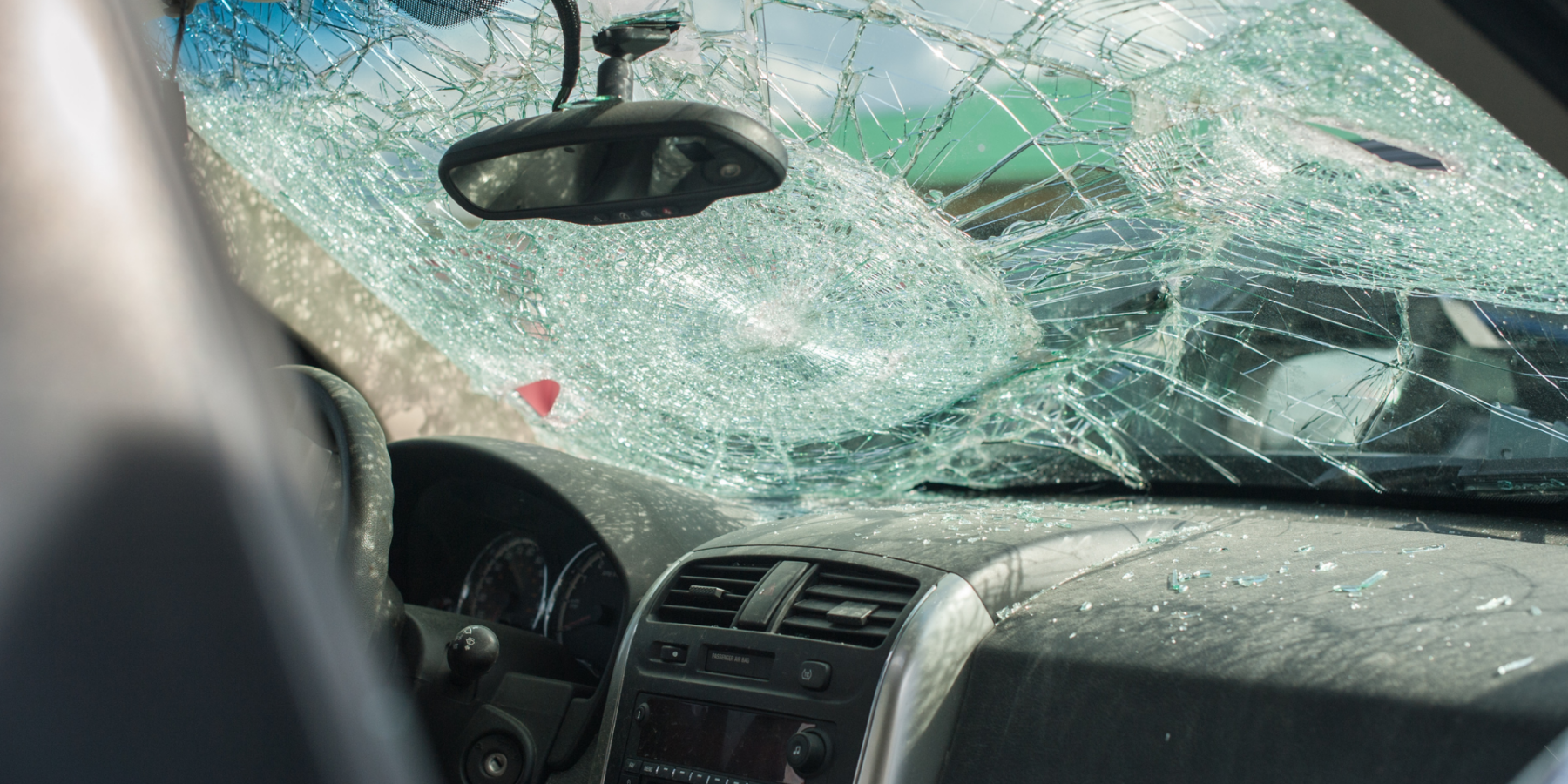
North Phoenix Rollover Crash Temporarily Blocks Major Freeway
A rollover crash caused major traffic disruptions at a busy freeway interchange in north Phoenix on Friday morning, according to AZ Family. The accident occurred near the interchange connecting Interstate 17 and Loop 101, where emergency crews responded to reports of a vehicle that had overturned on the roadway. Authorities closed several lanes in the area while firefighters and police worked to assist those involved and clear the scene. The crash led to significant delays for drivers traveling through the interchange during the morning commute. Officials advised motorists to expect congestion and consider alternate routes as crews worked to remove the overturned vehicle and reopen the affected lanes
Crashes like this highlight the serious risks drivers face when high speeds, heavy traffic, and sudden lane changes converge on busy highways. Rollover accidents often occur when a vehicle loses stability during abrupt maneuvers or collisions, which can quickly lead to dangerous roadway conditions for nearby drivers. Incidents at heavily traveled interchanges such as I-17 and Loop 101 can also create chain reactions of congestion and secondary crash risks as traffic slows unexpectedly. At Desert Star Law, we understand how overwhelming the aftermath of a serious freeway crash can be for injured victims and their families, and we are committed to helping people across the Phoenix area understand their legal rights and options after a collision. If you or a loved one has been affected by a serious car accident in Phoenix, call us today at (602) 755-9760 to learn how we may be able to help.
Why the Right Legal Support Matters After a North Phoenix Rollover Crash
A North Phoenix rollover crash can leave victims facing serious injuries, vehicle damage, and complicated questions about liability, which is why our team at Desert Star Law works closely with individuals and families to help them understand their legal rights. We carefully review crash reports, witness statements, and available evidence to determine how the rollover occurred and whether negligence may have contributed to the accident. Rollover collisions often involve complex factors such as vehicle speed, roadway design, and driver behavior. Our team focuses on analyzing these details so we can build a clear picture of the events leading up to the crash.
At Desert Star Law, we recognize that recovering from a serious accident often involves more than physical healing. Victims may face mounting medical expenses, time away from work, and ongoing uncertainty about the financial impact of their injuries. We work with our clients to gather documentation, evaluate damages, and investigate all potential sources of liability connected to the crash. By guiding clients through the legal process and managing communication with insurance companies, we help ensure they remain informed and supported while their case moves forward.
Steps to Take After a North Phoenix Rollover Crash
A North Phoenix rollover crash can leave drivers and passengers disoriented, injured, and unsure about what to do next. The moments immediately following a rollover accident often involve safety concerns, medical needs, and important decisions that may affect future insurance claims or legal action. Taking the correct steps can help protect your health while preserving important evidence related to the crash. Acting quickly and carefully can also assist investigators in determining how the rollover occurred. Understanding these steps can help victims respond more effectively after a serious accident.
Ensure Safety and Assess Injuries
Safety should remain the first priority after any rollover collision. Drivers and passengers should check themselves and others for injuries before attempting to move or exit the vehicle. If possible, move to a safe area away from traffic to reduce the risk of additional collisions. Activating hazard lights or warning other drivers can help prevent further accidents on busy Phoenix roadways. Addressing immediate safety concerns protects everyone involved at the scene.
Call Emergency Services Immediately
Contacting emergency services ensures that medical personnel and law enforcement respond to the crash quickly. Paramedics can evaluate injuries and provide immediate treatment if necessary. Police officers will also secure the scene and create an official accident report documenting the incident. This report often becomes an important piece of evidence during insurance claims and legal investigations. Prompt communication with emergency responders helps ensure the situation receives proper attention.
Seek Medical Evaluation
Even if injuries appear minor at first, a medical evaluation remains essential after a rollover crash. Some injuries, including concussions, internal trauma, or spinal issues, may not produce symptoms immediately. Medical professionals can identify hidden injuries and recommend appropriate treatment. Early medical documentation also creates records linking the injuries to the accident. These records may become important when pursuing compensation for medical expenses.
Report the Crash and Cooperate With Authorities
Law enforcement officers responding to the accident will investigate the circumstances surrounding the rollover. Their report may include witness statements, roadway observations, and diagrams illustrating the crash scene. Providing accurate information helps officers determine how the accident occurred. Clear reporting ensures the official accident record reflects available evidence. Cooperation with investigators can support a thorough and accurate investigation.
Provide Accurate Information to Police
Drivers should provide clear and truthful information when speaking with law enforcement officers. Officers may ask about vehicle speed, traffic conditions, road hazards, or driver actions before the rollover occurred. Answering questions honestly helps investigators establish an accurate timeline of events. Avoid speculation about fault or assigning blame at the scene. Providing factual information helps ensure the accident report remains reliable.
Request a Copy of the Crash Report
Obtaining a copy of the official crash report can help victims understand how authorities documented the incident. The report often includes officer observations, witness statements, and diagrams of the crash scene. Insurance companies frequently request this document during the claims process. Attorneys may also rely on the report when reviewing liability and evaluating a case. Keeping a copy ensures victims have access to important details about the accident.
Document the Crash Scene
Gathering evidence at the scene of a rollover accident can help preserve important details before conditions change. Photographs, witness contact information, and notes about road conditions may all prove valuable later. Traffic patterns in north Phoenix may quickly alter the crash scene once emergency crews clear the area. Early documentation helps capture accurate information about what happened. These records can strengthen insurance claims and potential legal cases.
Photograph Vehicle Damage and Road Conditions
Photographs can provide a visual record of the accident and surrounding environment. Victims should capture images of vehicle damage, tire marks, debris, road signs, and traffic signals. These photos may help investigators reconstruct the sequence of events that led to the rollover. Images of weather conditions or visibility can also provide useful context. Detailed visual evidence often becomes valuable during accident investigations.
Gather Witness Contact Information
Witnesses sometimes observe important details that drivers involved in the crash may not notice. People nearby may recall vehicle movements, driver behavior, or road conditions before the accident. Collecting names and contact information allows investigators or attorneys to follow up with witnesses later. Their statements may help clarify how the rollover occurred. Reliable witness testimony can play an important role in establishing liability.

Injuries Often Reported After a Phoenix Rollover Accident
A Phoenix rollover accident often results in severe injuries due to the violent motion and multiple impacts involved in the crash. When a vehicle overturns, occupants may experience sudden changes in direction, roof collapse, or contact with interior surfaces. These forces can place significant stress on the head, neck, spine, and internal organs. Victims frequently require immediate medical attention and ongoing treatment following a rollover collision. Understanding the types of injuries commonly associated with rollover crashes can help victims recognize the importance of prompt medical care and legal support.
Severe Injuries Caused by Rollover Collisions
Rollover crashes tend to produce more serious injuries than many other types of car accidents. The rotating movement of the vehicle can cause occupants to strike different areas of the interior during the crash sequence. In some situations, individuals may also suffer injuries from broken glass or structural damage to the vehicle. These high-impact conditions increase the likelihood of significant trauma. Medical evaluation often helps identify injuries that may not appear immediately after the accident.
Traumatic Brain Injuries
Traumatic brain injuries frequently occur during rollover accidents when the head experiences sudden impact or rapid movement. Victims may strike the roof, windows, or other interior surfaces as the vehicle overturns. These injuries can range from mild concussions to severe brain trauma that affects memory, concentration, and cognitive function. Symptoms sometimes include headaches, dizziness, confusion, or difficulty focusing. Early medical assessment plays a critical role in identifying and treating these injuries.
Spinal Cord and Neck Injuries
The violent motion involved in a rollover crash can place extreme stress on the neck and spine. Sudden twisting or compression forces may cause whiplash, herniated discs, or fractures in the vertebrae. In more serious cases, spinal cord damage may lead to long-term mobility limitations or paralysis. These injuries often require extensive medical treatment and rehabilitation. Prompt diagnosis can help determine the severity of spinal injuries and guide appropriate care.
Internal and Orthopedic Injuries
Rollover accidents also frequently cause internal and orthopedic injuries due to the intense forces generated during the crash. Occupants may experience blunt force trauma that affects bones, muscles, and internal organs. These injuries may not always produce immediate symptoms, which makes medical evaluation especially important after a rollover collision. Diagnostic imaging often helps physicians identify underlying damage. Early treatment can help prevent complications and support recovery.
Broken Bones and Fractures
Fractures often occur when occupants brace themselves during a rollover or strike interior surfaces. Arms, legs, ribs, and collarbones commonly sustain injuries during these collisions. Broken bones may require surgical treatment, immobilization, and extended recovery periods. These injuries can also limit a person’s ability to work or perform daily activities. Proper medical care helps ensure bones heal correctly and reduces the risk of long-term complications.
Internal Organ Damage
Blunt force trauma during a rollover accident can damage internal organs such as the lungs, liver, or spleen. These injuries may cause internal bleeding or other life-threatening complications. Symptoms may include abdominal pain, shortness of breath, or dizziness following the crash. Emergency medical care is often required to diagnose and treat these conditions. Early detection plays a critical role in preventing serious health consequences.
Long-Term Recovery Challenges
Recovery after a Phoenix rollover accident may extend far beyond the initial medical treatment period. Many victims face ongoing rehabilitation and lifestyle adjustments while healing from serious injuries. Physical therapy and specialized medical care often become necessary to restore strength and mobility. Emotional stress and psychological trauma may also affect recovery following a major crash. Addressing both physical and emotional needs can support a more complete healing process.
Rehabilitation and Physical Therapy
Rehabilitation programs often help accident victims regain movement, strength, and coordination after serious injuries. Physical therapists develop customized treatment plans that focus on restoring mobility and reducing pain. These programs may include exercises, stretching routines, and mobility training. Consistent therapy often improves long-term recovery outcomes. Rehabilitation therefore plays an important role in helping victims return to daily activities.
Chronic Pain After a Crash
Some individuals experience long-term pain following injuries sustained in a rollover accident. Conditions such as nerve damage, spinal injuries, or joint trauma may contribute to persistent discomfort. Chronic pain can affect sleep, physical activity, and overall quality of life. Medical professionals may recommend ongoing treatment plans to manage these symptoms. Effective pain management can help individuals maintain daily function while continuing their recovery.
Compensation Available After a North Phoenix Rollover Crash
A North Phoenix rollover crash can create significant financial and personal challenges for those involved. Victims often face medical treatment, vehicle damage, and time away from work while recovering from injuries. Arizona law allows injured individuals to pursue compensation when another party’s negligence contributes to a crash. Understanding the types of damages that may be available can help victims evaluate their legal options. Compensation aims to address both the financial losses and personal hardships caused by the accident.
Economic Damages After a Rollover Accident
Economic damages refer to the measurable financial losses that occur after a serious crash. These losses often begin immediately following the accident and may continue throughout the recovery period. Medical treatment, rehabilitation, and lost income can place significant financial pressure on victims and their families. Compensation for economic damages helps address these direct financial impacts. Proper documentation of expenses often helps establish the value of these damages.
Medical Expenses and Ongoing Treatment
Medical expenses frequently represent one of the largest costs associated with rollover accident injuries. Victims may require emergency care, diagnostic testing, surgery, and follow-up treatment after the crash. Rehabilitation services such as physical therapy or specialized medical care may also become necessary during recovery. Some injuries require long-term treatment that continues well after the accident. Compensation may help cover both immediate medical bills and future healthcare needs.
Lost Wages and Reduced Earning Capacity
Serious injuries may prevent victims from returning to work for weeks or even months after a rollover crash. Time away from employment can result in lost income and financial uncertainty. In some cases, permanent injuries may reduce a person’s ability to perform their previous job duties. Compensation may therefore include both lost wages and reduced earning capacity. These damages help address the long-term financial consequences of the accident.
Non-Economic Damages in Rollover Accident Claims
Not all losses caused by a rollover crash are financial in nature. Non-economic damages address the physical and emotional effects that injuries may have on a victim’s life. These damages recognize that serious accidents can affect comfort, independence, and daily activities. Although they cannot be measured through receipts or invoices, they remain an important part of many injury claims. Courts may consider several factors when evaluating non-economic damages.
Pain and Suffering
Pain and suffering refer to the physical discomfort and emotional hardship experienced after a serious accident. Injuries from rollover crashes may lead to ongoing pain, limited mobility, or long recovery periods. Victims may also experience anxiety or stress as they cope with the effects of the crash. Compensation for pain and suffering recognizes the personal challenges associated with these injuries. This category of damages reflects the broader impact the accident has on a person’s life.
Emotional Distress and Loss of Enjoyment of Life
A serious rollover accident can significantly change a person’s ability to participate in activities they once enjoyed. Injured individuals may struggle with emotional trauma, stress, or reduced independence following the crash. Some victims also experience lasting psychological effects related to the accident. Emotional distress damages acknowledge the mental and emotional impact of these experiences. Compensation may help address the overall disruption that the accident causes in a victim’s daily life.

How a Phoenix Car Accident Lawyer Provides Support
A serious car accident can leave victims facing medical recovery, financial stress, and complex legal questions. A Phoenix car accident lawyer helps injured individuals understand their rights while navigating the legal and insurance processes that follow a collision. Legal support often becomes especially important when liability remains disputed or when insurance companies attempt to minimize compensation. Attorneys work to gather evidence, evaluate damages, and advocate for fair outcomes on behalf of their clients. With experienced legal guidance, accident victims can focus on healing while their legal team manages the complexities of the case.
Investigating the Cause of the Crash
A thorough investigation often forms the foundation of a successful car accident claim. Attorneys examine the circumstances surrounding the crash to determine how the collision occurred and which parties may be responsible. This process may involve reviewing police reports, analyzing physical evidence, and gathering statements from witnesses. A detailed investigation helps establish a clear timeline of events leading up to the accident. Strong evidence can significantly strengthen negotiations with insurance companies or support legal action if necessary.
Reviewing Police Reports and Official Records
Police reports often contain valuable information about how the accident unfolded. Attorneys review these documents to identify traffic violations, officer observations, and statements from drivers and witnesses. Crash reports may also include diagrams that illustrate vehicle positions and road conditions at the time of the collision. Careful analysis helps attorneys verify timelines and detect inconsistencies in the available evidence. These records frequently become an important part of building a strong accident claim.
Collecting Evidence From the Scene
Evidence from the crash scene can reveal important details about how the accident occurred. Attorneys may obtain photographs, traffic camera footage, and surveillance recordings from nearby businesses. Investigators sometimes revisit the crash location to examine road conditions, lighting, and traffic patterns. Physical evidence such as skid marks, vehicle debris, and damage patterns may also help reconstruct the collision. Early evidence collection helps preserve information before it becomes unavailable.
Managing Communication With Insurance Companies
Insurance claims can quickly become complicated after a serious accident. Victims may receive calls from adjusters or settlement offers while they are still recovering from injuries. A car accident lawyer helps manage these communications to protect the client’s interests. Attorneys ensure that insurance companies receive accurate information while preventing unfair pressure on injured individuals. Professional handling of insurance discussions often improves the likelihood of fair compensation.
Evaluating Settlement Offers
Insurance companies sometimes present early settlement offers that fail to account for the full cost of injuries and recovery. Attorneys review these offers carefully and compare them with documented damages such as medical expenses and lost income. This evaluation allows clients to understand the true value of their claim before accepting an offer. Careful review helps prevent accident victims from agreeing to compensation that does not reflect their needs. Legal guidance supports informed decision-making during settlement negotiations.
Negotiating With Insurance Adjusters
Negotiating with insurance adjusters requires experience and strong supporting evidence. Attorneys present medical records, accident reports, and financial documentation that demonstrate the impact of the crash. Clear evidence helps strengthen the client’s position during settlement discussions. Skilled negotiation often leads to more favorable outcomes than victims may achieve on their own. Effective advocacy helps ensure insurers evaluate claims fairly.
Guiding Clients Through the Legal Process
Personal injury claims involve several legal steps that may feel overwhelming for accident victims. Attorneys provide guidance throughout the process so clients understand what to expect at each stage of the case. Legal teams prepare documentation, monitor deadlines, and communicate with opposing parties. Regular updates help clients remain informed as their case progresses. This structured approach allows accident victims to move forward with greater confidence.
Filing Personal Injury Claims
Filing a car accident claim requires detailed documentation of the collision and resulting injuries. Attorneys collect medical records, repair estimates, and other evidence that demonstrates the financial and personal impact of the crash. These materials help establish the value of the claim and support requests for compensation. Properly prepared claims improve the likelihood of reaching a favorable outcome. Accurate filing also ensures that the claim complies with legal requirements.
Preparing for Possible Litigation
Some accident cases proceed to litigation when insurance negotiations fail to produce a fair settlement. Attorneys prepare for this possibility by organizing evidence, consulting expert witnesses, and developing legal arguments that support the client’s claim. This preparation helps ensure the case remains strong if it enters the courtroom. Lawyers also guide clients through hearings, depositions, and other legal procedures. Careful preparation strengthens the client’s position when pursuing justice after a serious crash.
Contact an Experienced North Phoenix Crash Lawyer Today
After a serious crash, victims often face medical treatment, vehicle damage, and uncertainty about how to move forward with insurance claims and legal questions. At Desert Star Law, we work closely with individuals and families throughout Phoenix to help them understand their rights after a major collision. Our team reviews the circumstances of the crash, examines available evidence, and evaluates whether negligence may have played a role in the accident. We also assist clients with navigating complex insurance communications while building a case that reflects the full impact of their injuries and losses.
At Desert Star Law, we believe every client deserves clear guidance and dedicated legal support during a difficult time. We focus on thoroughly investigating each case, consulting with experts when necessary, and identifying all potential sources of compensation related to the crash. Our goal is to help victims pursue financial recovery for medical expenses, lost wages, and other damages while we handle the legal complexities of the case. If you or a loved one has been injured in a north Phoenix crash, call us today at (602) 755-9760 or fill out an online form to schedule a consultation and learn how we can help protect your rights.
Contact usfor a free consultation.
Phone: (602) 755-9760