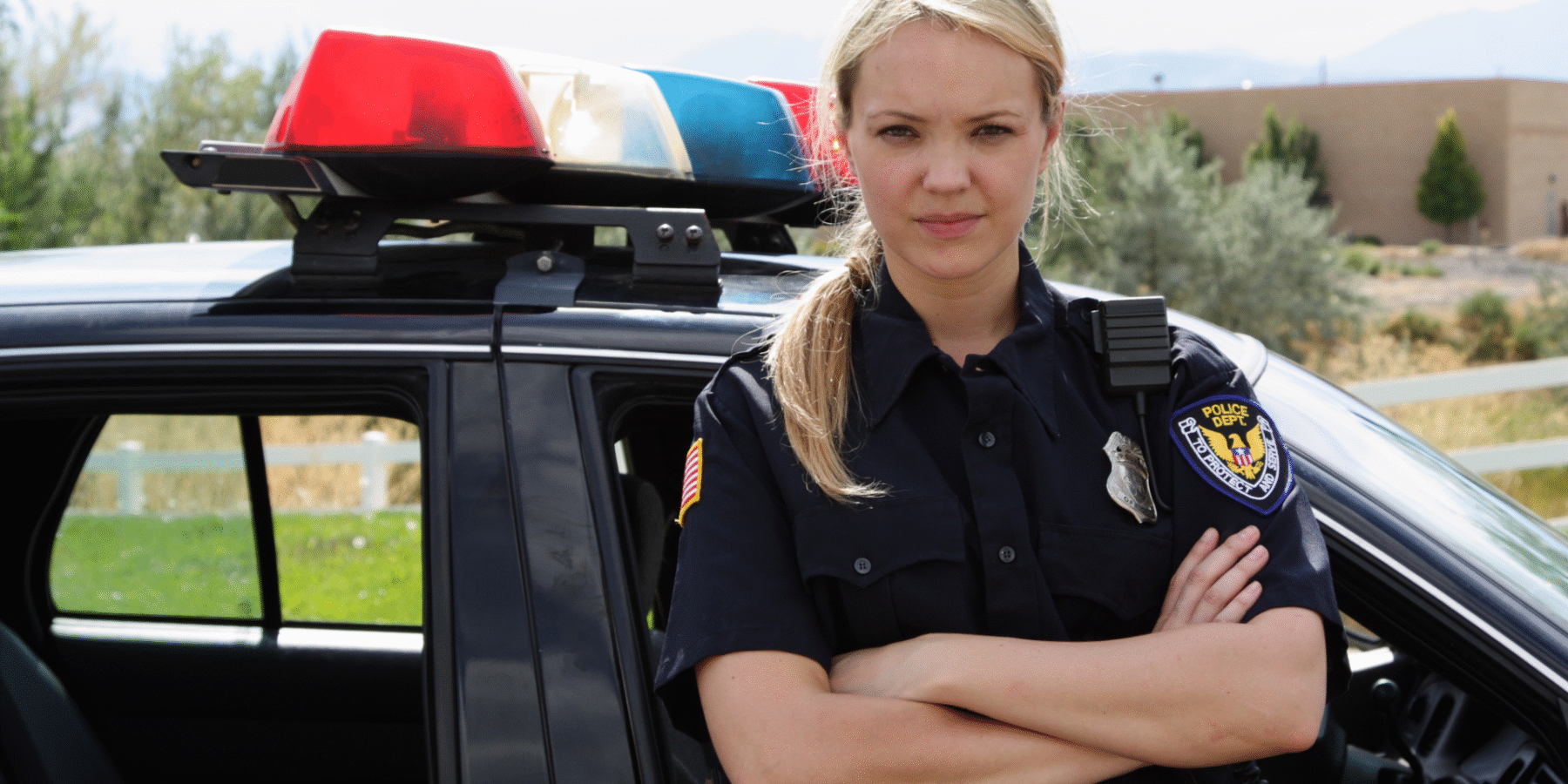
Surprise Pedestrian Accident Involving Officer, Suspect in Foot Chase Turns Fatal
A suspect was killed and a Surprise police officer was injured after both were struck by a vehicle during a foot pursuit late Thursday night, according to Surprise Police and local news. The incident began just after 10:30 p.m. near Reems Road and Acoma Drive when officers responded to a domestic violence call and attempted to locate a male suspect who had fled on foot, officials said. During the foot chase, both the suspect and the officer were hit by a passing vehicle, and both were transported to a hospital, where the suspect, identified as 30-year-old Rudy Gaitan, later died from his injuries while the officer was treated and released. The driver who struck them remained at the scene and is cooperating with investigators as the Peoria Police Department’s West Valley Investigative Response Team continues its inquiry into the collision and surrounding circumstances.
Incidents like this highlight the serious dangers that can arise during nighttime law enforcement activity, particularly when foot pursuits occur near active roadways with limited visibility. When officers and suspects are on foot in areas where vehicles are still moving at speed, drivers may have little warning or time to react, increasing the risk of catastrophic outcomes. These situations raise important questions about traffic safety, pursuit protocols, and how roadway conditions can contribute to tragic consequences for everyone involved. At Desert Star Law, we understand how overwhelming serious vehicle-related incidents can be for injured individuals and families facing sudden loss. If you or someone you love has been affected by a serious pedestrian crash in Surprise or elsewhere in the Phoenix metro area, call us today at (602) 773-7756 and take advantage of a free consultation.
Why Legal Support Matters After a Surprise Pedestrian Crash
A Surprise pedestrian crash can leave victims and families facing sudden injuries, unanswered questions, and complex legal challenges, and at Desert Star Law, we understand how critical strong legal support can be during this time. These cases often involve detailed investigations, coordination with law enforcement, and careful analysis of driver behavior, roadway conditions, and visibility factors. We work to gather evidence, review reports, and identify all potentially responsible parties so our clients are not left navigating uncertainty alone. This approach helps bring clarity and structure to an otherwise overwhelming situation.
Beyond the immediate legal issues, those affected by a Surprise pedestrian crash may also experience lasting physical, emotional, and financial consequences. Medical treatment, time away from work, and the stress of recovery can quickly compound, especially when liability is disputed or multiple factors are involved. We take on the burden of managing insurance communications and evaluating damages while advocating for accountability and fairness. Our goal is to provide steady guidance and thoughtful representation so families can focus on healing and moving forward.
Where Surprise Pedestrian Crashes Most Frequently Occur
A Surprise pedestrian crash can happen in many settings, but certain locations consistently present higher risks for people on foot. Traffic volume, vehicle speed, visibility, and pedestrian activity all play a role in where these incidents occur most often. Understanding these high-risk areas helps illustrate why pedestrian safety remains a serious concern throughout the city. Identifying common locations also helps investigators assess whether environmental factors contributed to a crash.
Busy Intersections and Crosswalks
Intersections are among the most common locations for pedestrian crashes due to the convergence of vehicles and foot traffic. Drivers may be focused on traffic signals or other vehicles rather than pedestrians entering crosswalks. Turning movements, particularly right and left turns, frequently create dangerous conflicts. These areas require heightened driver awareness to prevent serious injuries.
Signalized Intersections With Heavy Traffic
Signalized intersections with high traffic volumes often see increased pedestrian crash risk. Drivers may rush through yellow lights or focus on beating traffic rather than yielding. Pedestrians crossing with a walk signal may still face danger from turning vehicles. These conditions make busy intersections especially hazardous during peak hours.
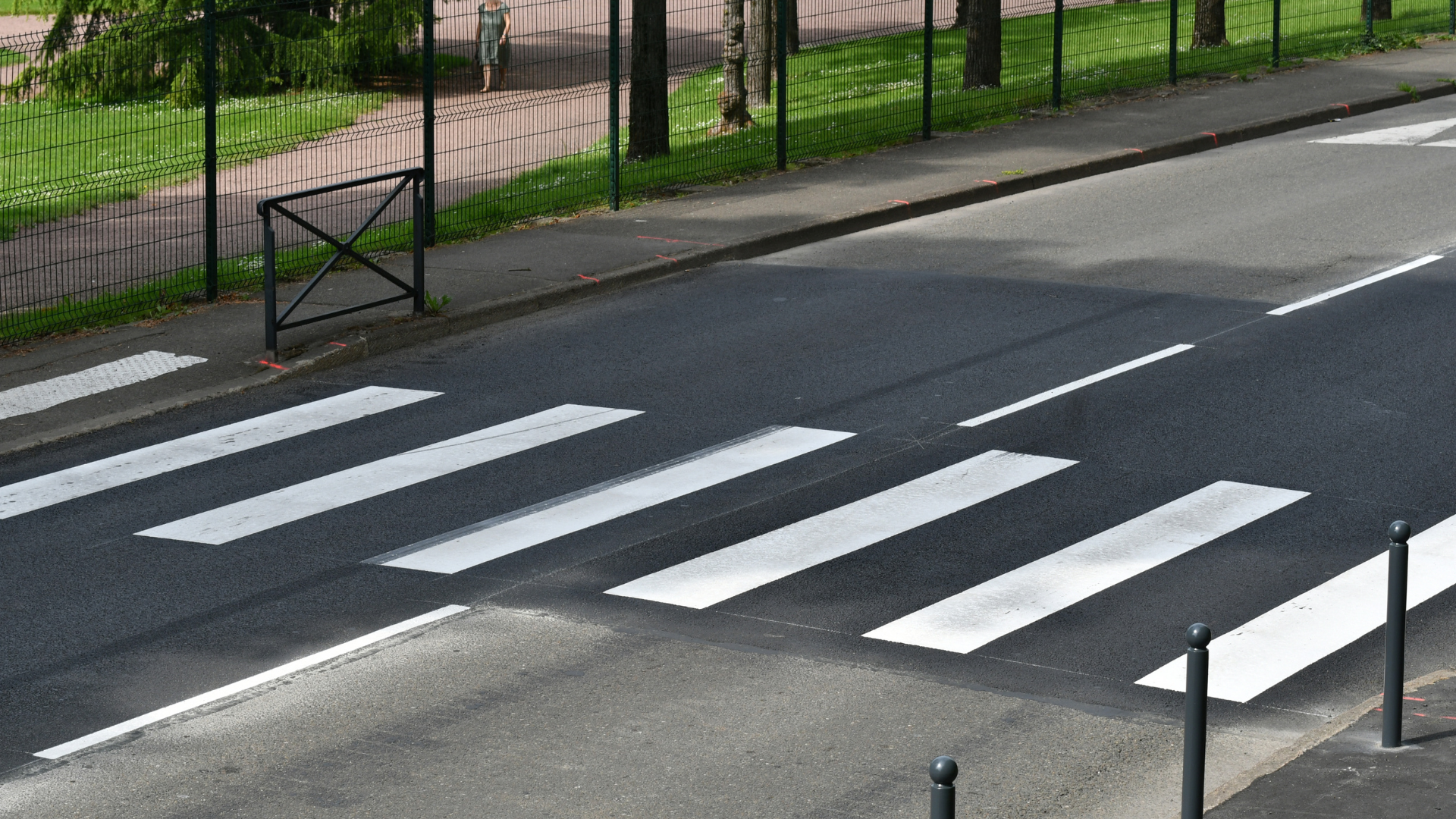
Marked Crosswalks Without Adequate Visibility
Even marked crosswalks can be dangerous when visibility is limited. Poor lighting, faded paint, or obstructed sightlines may prevent drivers from noticing pedestrians in time. Vehicles parked too close to crosswalks can further block views. These factors can contribute to serious pedestrian crashes despite designated crossing areas.
Major Roadways and Arterial Streets
Wide, high-speed roadways present significant risks for pedestrians in Surprise. These roads are often designed to move traffic efficiently, sometimes at the expense of pedestrian safety.
Roads With Higher Speed Limits
Higher speed limits reduce drivers’ ability to stop quickly when pedestrians are present. The severity of injuries also increases significantly as vehicle speed rises. Pedestrians attempting to cross these roads may misjudge gaps in traffic. Crashes on high-speed roads often result in serious or fatal injuries.
Limited or Inconsistent Pedestrian Infrastructure
Some arterial roads lack continuous sidewalks, crosswalks, or pedestrian signals. Pedestrians may be forced to cross at unsafe locations or walk along road edges. Inconsistent infrastructure can increase confusion for both drivers and pedestrians. These design issues often play a role in crash investigations.
Residential Areas and Neighborhood Streets
Pedestrian crashes also occur in residential areas where drivers may not expect foot traffic. Children, older adults, and families are frequently present in these neighborhoods.
Areas Near Schools and Parks
School zones and park areas often see increased pedestrian activity throughout the day. Drivers who fail to slow down or remain alert may place pedestrians at risk. Drop-off and pickup times can be especially dangerous. These areas require careful attention to posted signs and reduced speed limits.
Neighborhood Streets With Limited Lighting
Poor lighting in residential neighborhoods can reduce nighttime visibility. Pedestrians walking along or crossing streets may be difficult for drivers to see. This risk increases during early morning or evening hours. Inadequate lighting is often examined when determining fault in pedestrian crashes.
Commercial and Shopping Areas
Commercial zones attract both vehicle traffic and pedestrians moving between businesses. Parking lots and entrances create additional conflict points.
Parking Lots and Storefront Entrances
Large parking lots often involve unpredictable vehicle movements and distracted drivers. Pedestrians walking between parked cars may not be visible. Storefront entrances can create congestion and confusion. These factors increase the risk of pedestrian crashes in commercial areas.
Areas With High Foot Traffic and Driveways
Shopping centers and mixed-use areas frequently have multiple driveways intersecting sidewalks. Drivers entering or exiting may focus on traffic rather than pedestrians. High foot traffic increases the likelihood of conflicts. These locations are commonly associated with pedestrian injury claims.
Injuries Often Resulting From a Surprise Pedestrian Crash
A Surprise pedestrian crash often results in severe injuries because pedestrians have little protection when struck by a moving vehicle. Even at lower speeds, the force of impact can cause significant trauma, while higher speeds dramatically increase the risk of life-altering or fatal injuries. Many victims require immediate emergency care followed by long-term medical treatment and rehabilitation. Understanding the types of injuries commonly associated with pedestrian crashes helps illustrate the seriousness of these incidents and their lasting impact.
Traumatic and Orthopedic Injuries
Orthopedic injuries are among the most common outcomes of pedestrian crashes due to the direct force of impact and secondary contact with the ground. Pedestrians are often thrown onto pavement or into other objects, increasing injury severity. These injuries can affect mobility, independence, and quality of life. Recovery may take months or longer depending on the extent of trauma.
Broken Bones and Complex Fractures
Broken bones frequently occur when a pedestrian is struck by a vehicle, particularly to the legs, arms, hips, and ribs. In many cases, fractures are complex or compound, requiring surgical intervention and extended immobilization. Victims may undergo multiple procedures followed by physical therapy to regain function. These injuries often interfere with work and daily activities for an extended period.
Pelvic, Hip, and Joint Injuries
The lower body often absorbs the initial impact in a pedestrian crash, leading to serious pelvic or hip injuries. Damage to major joints can significantly limit movement and stability. Treatment may involve surgery, prolonged rehabilitation, and assistive devices. Long-term pain or reduced mobility is common in severe cases.
Head and Brain Injuries
Head and brain injuries are particularly dangerous in pedestrian crashes and can occur even when external injuries appear minor. Sudden impact or contact with the vehicle or pavement can cause the brain to shift within the skull. These injuries may have lasting cognitive and neurological effects. Prompt diagnosis and treatment are critical to reducing long-term harm.
Concussions and Traumatic Brain Injuries
Concussions and traumatic brain injuries may result from blunt force trauma to the head. Symptoms can include headaches, memory problems, dizziness, confusion, and difficulty concentrating. Some victims experience persistent symptoms that interfere with daily life and employment. Ongoing medical care and cognitive therapy may be required.
Facial and Skull Injuries
Pedestrian crashes often cause facial fractures or skull injuries due to direct impact. These injuries may involve damage to the jaw, nose, eye sockets, or cranial bones. Surgical repair is often necessary, and scarring or disfigurement may occur. Emotional distress frequently accompanies these visible injuries.
Internal and Soft Tissue Injuries
Not all pedestrian crash injuries are immediately visible, making internal and soft tissue injuries especially dangerous. Victims may feel relatively stable at first while serious internal damage goes undetected. Medical evaluation is essential even when symptoms seem mild. Delayed treatment can lead to serious complications.
Internal Organ Damage
Blunt force trauma can damage organs such as the lungs, liver, spleen, or kidneys. Internal bleeding may not be obvious at the scene but can quickly become life-threatening. Imaging and close monitoring are often required to diagnose these injuries. Treatment may range from observation to emergency surgery.
Muscle, Ligament, and Tendon Injuries
Soft tissue injuries include strains, sprains, and tears affecting muscles and connective tissue. These injuries can cause chronic pain, stiffness, and limited range of motion. Recovery often involves physical therapy and ongoing pain management. While sometimes underestimated, soft tissue injuries can significantly affect long-term mobility.
Psychological and Emotional Injuries
The trauma of a Surprise pedestrian crash often extends beyond physical injuries and affects emotional well-being. Many victims struggle with fear, anxiety, and changes in daily behavior following the incident. Emotional recovery can be just as challenging as physical healing. Mental health support is often an important part of the recovery process.
Post-Traumatic Stress and Anxiety
Pedestrian crash victims may experience post-traumatic stress symptoms such as flashbacks, nightmares, or fear of crossing streets. Anxiety and hypervigilance can interfere with daily routines and independence. These symptoms may persist long after physical injuries heal. Counseling or therapy is often necessary for recovery.
Emotional Impact of Serious Injury
Serious injuries can disrupt employment, relationships, and overall quality of life. Victims may experience frustration, depression, or feelings of loss due to physical limitations. Emotional distress often compounds financial and physical challenges. Addressing emotional health is essential to comprehensive recovery.
What to Do After a Surprise Pedestrian Crash
The moments following a Surprise pedestrian crash can be confusing, overwhelming, and frightening, especially when injuries are severe. Pedestrians are often left vulnerable and unsure of what steps to take while dealing with pain, shock, and uncertainty. Taking the right actions early can help protect both physical well-being and future legal rights. Understanding what to prioritize after a crash can provide direction during an otherwise chaotic time.
Prioritize Safety and Medical Care
Health and safety should always be the top concern after a pedestrian crash, even if injuries are not immediately obvious. Prompt medical attention can prevent complications and create important documentation.
Seek Immediate Medical Attention
Pedestrian crash injuries are often more serious than they initially appear due to adrenaline and shock. Internal injuries, head trauma, or soft tissue damage may not cause immediate symptoms. Seeking medical evaluation as soon as possible helps ensure injuries are properly diagnosed and treated. Medical records also establish a clear connection between the crash and resulting injuries.
Follow Through With Recommended Treatment
Following all medical recommendations supports both recovery and documentation of injury severity. Skipping appointments or delaying treatment may worsen injuries or raise questions about their cause. Consistent care demonstrates the ongoing impact of the crash. This continuity is often important when injuries require long-term treatment.
Document the Scene and Preserve Evidence
Evidence gathered shortly after a pedestrian crash can play a critical role in determining fault. Many important details can disappear quickly if they are not documented.
Take Photos and Videos When Possible
Photographs and videos can capture vehicle positions, damage, skid marks, traffic signals, and surrounding conditions. These visuals help reconstruct how the crash occurred. Lighting, weather, and visibility conditions may change shortly after the incident. Preserving these details early helps maintain accuracy.
Gather Witness Information
Witnesses can provide independent accounts of what happened before and during the crash. Collecting names and contact information allows follow-up if statements are needed later. Witness testimony can help clarify driver behavior or signal compliance. Early collection improves reliability.
Report the Crash and Cooperate With Authorities
Proper reporting ensures the crash is officially documented and investigated. This documentation often becomes foundational evidence later.
File a Police Report
Law enforcement reports typically include officer observations, diagrams, and preliminary fault assessments. Requesting a copy of the report helps victims understand how the crash was recorded. These reports often influence insurance decisions. Accurate reporting is essential.
Provide Accurate but Limited Statements
Cooperating with authorities is important, but statements should remain factual and concise. Avoid speculation or assumptions about fault. Details may become clearer after medical evaluation and investigation. Limiting statements helps prevent misunderstandings.
Be Cautious With Insurance Companies
Insurance companies often contact victims quickly after a pedestrian crash. These conversations can significantly affect future claims.
Avoid Giving Recorded Statements Without Guidance
Recorded statements may be used to minimize injuries or shift blame. Victims may not yet know the full extent of their injuries. Providing limited information helps protect legal interests. Caution during early conversations is important.
Do Not Accept Early Settlement Offers
Early offers often fail to reflect long-term medical needs or financial losses. Accepting an offer too quickly may limit future compensation. Waiting allows a clearer understanding of injury impact. Informed decisions help protect future stability.
Consider Legal Guidance When Ready
Legal guidance can provide clarity and support after a serious pedestrian crash. Attorneys help manage complex issues while victims focus on healing.
Understand Your Rights and Options
Legal professionals explain rights, potential claims, and next steps in clear terms. This understanding helps victims make informed decisions. Knowing what to expect reduces stress. Clear guidance provides confidence.
Allow Professionals to Handle the Legal Process
Attorneys manage investigations, communications, and deadlines on behalf of victims. This support reduces the burden during recovery. Professional handling helps avoid costly mistakes. Victims gain time and space to heal.

How Surprise Personal Injury Attorneys Protect Pedestrian Crash Victims
Pedestrian crashes often leave victims facing serious injuries, long recovery periods, and significant uncertainty about their rights and future. In Surprise, personal injury attorneys play a critical role in protecting pedestrians by handling complex legal issues while victims focus on healing. These cases frequently involve questions of driver behavior, visibility, and roadway safety that require careful investigation. Legal representation helps ensure pedestrian victims are treated fairly and not blamed for crashes they did not cause.
Investigating the Circumstances of the Crash
Investigating the circumstances of a pedestrian crash is a critical step in determining what happened and who may be legally responsible. These incidents often occur quickly, leaving victims with limited ability to observe all contributing factors. Attorneys conduct detailed investigations to reconstruct the sequence of events leading up to the collision. This process helps ensure conclusions are based on evidence rather than assumptions or incomplete accounts.
Reviewing Police Reports and Scene Evidence
Police reports and scene evidence provide an important starting point for understanding a pedestrian crash. Attorneys carefully review officer narratives, diagrams, and measurements to identify potential contributing factors. Physical evidence such as skid marks, debris patterns, vehicle damage, and point of impact can help clarify how the collision occurred. This information often plays a key role in establishing fault and countering disputed accounts.
Examining Visibility and Roadway Conditions
Visibility and roadway conditions are closely examined to determine whether environmental factors contributed to the crash. Poor lighting, obstructed sightlines, faded crosswalk markings, or confusing traffic patterns can increase danger for pedestrians. Attorneys review photographs, traffic studies, and roadway design features to assess these conditions. Identifying hazards helps determine whether drivers had adequate opportunity to see and avoid pedestrians.
Establishing Driver Negligence
Establishing driver negligence is central to protecting the rights of pedestrian crash victims. Drivers have a legal duty to remain alert and operate their vehicles safely, especially in areas where pedestrians are present. Attorneys analyze whether the driver failed to meet this duty through unsafe actions or inattention. Proving negligence helps establish accountability for the harm caused.
Speeding, Distraction, or Failure to Yield
Speeding, distraction, and failure to yield are among the most common forms of driver negligence in pedestrian crashes. Excessive speed reduces reaction time and increases the severity of injuries when a collision occurs. Distraction, including phone use or in-vehicle activities, often prevents drivers from noticing pedestrians in time. Failure to yield at crosswalks or intersections frequently plays a direct role in serious pedestrian injuries.
Reviewing Traffic Law Compliance
Traffic law compliance is carefully evaluated to determine whether the driver violated pedestrian right-of-way rules. Attorneys examine whether signals, crosswalk laws, or speed limits were ignored. Violations documented through reports or evidence can strongly support a pedestrian’s claim. Demonstrating noncompliance often becomes a key element in establishing fault.
Managing Insurance and Legal Challenges
Insurance and legal challenges can quickly become overwhelming for pedestrian crash victims and their families. Insurers often scrutinize these claims closely due to the severity of injuries involved. Attorneys step in to manage these challenges while protecting victims from unfair tactics. This support helps ensure claims are handled properly from the outset.
Handling Insurance Company Communications
Insurance companies may seek statements or information that could later be used to shift blame or reduce compensation. Attorneys manage all communications to ensure information is accurate and appropriately presented. This protection helps prevent misunderstandings or misrepresentations. Careful handling of insurer interactions preserves the strength of the claim.
Preventing Undervalued Settlements
Insurance companies may attempt to minimize injuries or argue that pedestrians share responsibility for the crash. Attorneys work to counter these tactics by presenting clear medical and factual evidence. They evaluate settlement offers carefully to ensure they reflect the true scope of injuries and losses. This advocacy helps prevent victims from accepting compensation that falls short of their needs.
Advocating for Full Compensation
Advocating for full compensation is essential when pedestrian crashes cause serious and lasting harm. Injuries often affect multiple aspects of a victim’s life, from health to employment to emotional well-being. Attorneys work to present a complete picture of how the crash has impacted the victim. This approach supports compensation that addresses both immediate and future needs.
Documenting Injuries and Medical Needs
Documenting injuries and medical needs involves gathering detailed records from healthcare providers. Attorneys review diagnoses, treatment plans, and recovery timelines to understand the full extent of harm. Future care needs and rehabilitation requirements are also considered. Thorough documentation strengthens claims and supports accurate damage assessments.
Addressing Long-Term Financial and Emotional Impact
Pedestrian crash injuries often result in long-term financial strain and emotional distress. Lost income, reduced earning capacity, and ongoing medical expenses are carefully evaluated. Emotional impacts such as anxiety, trauma, and reduced quality of life are also considered. Attorneys pursue compensation that reflects both the economic and personal consequences of the crash.
Contact an Experienced Surprise Pedestrian Crash Lawyer Today
At Desert Star Law, we have experience representing individuals and families affected by serious pedestrian crashes in Surprise and throughout the West Valley, and we understand how life-altering these incidents can be. Pedestrian crashes often result in severe injuries that require extensive medical treatment, rehabilitation, and long recovery periods, leaving families overwhelmed and uncertain about the future. Our team takes a careful and compassionate approach by thoroughly reviewing the circumstances of the crash, analyzing police reports, examining roadway conditions, and working with investigators when necessary to uncover what truly happened. We focus on identifying all potentially responsible parties and building a strong case grounded in evidence, while maintaining clear communication and dedicated advocacy at every stage of the legal process.
If you or a loved one has been injured in a Surprise pedestrian crash, you do not have to navigate the legal process alone during such a difficult and stressful time. We take the time to listen to your concerns, answer your questions, and clearly explain your legal options so you can make informed decisions with confidence and clarity. Our goal is to shoulder the legal burden while you focus on healing and moving forward. Call us today at (602) 773-7756 or fill out the online form to schedule a free consultation and learn how we can help you pursue justice and fair compensation.
Contact usfor a free consultation.
Phone: (602) 755-9760