Call 24/7
(602) 686-9936


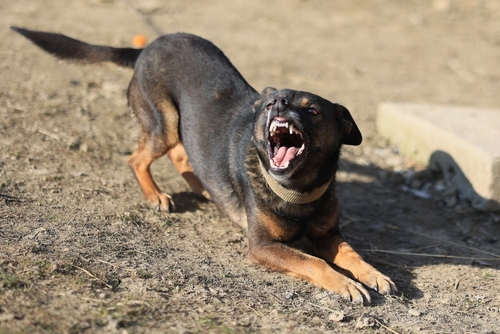
If a dog has bitten you or someone you love, you may have questions about both your injury claim and what local authorities may do with the dog. In Arizona, the response can depend on rabies control rules, the facts of the incident, the dog’s vaccination status, and the procedures used by the local jurisdiction.
Desert Star Law Group helps Phoenix area dog bite victims understand their legal options while they focus on medical care and recovery. Call (602) 686-9936 for a free consultation.
After a dog bite is reported, the appropriate local animal control or public health authority may become involved. Arizona law generally requires a dog that bites a person to be confined and observed for at least 10 days, beginning on the date of the bite. The purpose of that confinement is rabies observation, not punishment.
Depending on the jurisdiction and circumstances, officials may also review the dog’s vaccination status, licensing, prior incident history, and the facts surrounding the bite. This public health and animal control process is separate from a personal injury claim against the dog’s owner.
Not automatically. A single bite does not automatically mean a dog will be euthanized. Rabies confinement and any separate public safety action are different processes, and the result depends on the facts and applicable local rules.
During the required confinement period, Arizona law permits euthanasia for rabies testing before the observation period ends when the animal shows clear clinical signs of rabies or when the owner consents.
If you are concerned about an animal control decision after a bite, speak with the relevant local authority. If you were injured, Desert Star Law Group can explain your civil options for pursuing compensation from the dog’s owner.
In Maricopa County, dogs that bite a person are generally subject to a 10-day quarantine period. It’s important to understand that this quarantine exists primarily as a rabies observation process, not as a punishment for the dog or a preliminary step toward euthanasia.
The purpose is to monitor the dog for any signs of rabies during the period when symptoms would typically become apparent if the dog were infected. Depending on the dog’s vaccination and licensing status, and whether the owner can safely confine the animal, a currently vaccinated and licensed dog may sometimes qualify for home quarantine rather than confinement at an animal control facility.
This distinction matters significantly to dog owners, and it’s a separate question from whether the incident will ultimately result in a vicious animal determination.
Quarantine itself is not a euthanasia proceeding, and the two processes shouldn’t be confused. The quarantine period exists to observe the dog for rabies symptoms, while any decision about euthanasia connected to a vicious animal determination generally follows a separate legal process involving notice and a hearing.
That said, if a dog shows signs consistent with rabies during quarantine, or if specific statutory circumstances connected to rabies risk are present, euthanasia could become part of the public health response. These are distinct pathways triggered by different circumstances, not a single automatic sequence that begins with quarantine and ends in euthanasia.
Arizona law doesn’t define a “vicious” dog based on breed, size, or appearance. Instead, the determination focuses on the dog’s actual behavior and documented history, including whether the dog has shown a propensity for unprovoked aggression, the severity of any bites it has caused, and the specific circumstances surrounding the incident being evaluated.
A court weighing whether a dog qualifies as a vicious animal will look at the factual findings of the specific case in front of it, including evidence about the bite itself, any prior incidents, and whether the dog’s owner had reason to know about aggressive tendencies. This individualized, behavior based approach means two dogs of the same breed involved in similar looking incidents could see very different outcomes depending on the specific facts.
Local animal control rules may allow authorities to impose restrictions or take additional action when a dog presents a public safety concern. The standards and procedures can vary by jurisdiction and depend on the facts, including the seriousness of the incident and any documented history.
This process is separate from whether an injured person may pursue a civil claim against the owner. Under Arizona’s dog bite statute, the owner may be liable even if the dog had not previously bitten someone, as long as the legal requirements for the claim are met.
No. Arizona does not follow a “one-bite rule” for statutory dog-bite claims. Under A.R.S. § 11-1025, a dog owner may be liable for damages when their dog bites someone in a public place or while the person is lawfully on private property, even if the dog had no prior bite history and the owner did not know the dog might bite.
Important exceptions and defenses can apply. For example, Arizona law recognizes provocation as a defense, and the circumstances of the incident must be evaluated carefully.
Filing a personal injury claim against a dog owner is a separate legal process from any animal control action or vicious animal determination. Pursuing compensation for your injuries doesn’t automatically trigger a euthanasia proceeding, and the two processes generally operate independently of one another, even though they may both stem from the same underlying incident.
If you’re concerned about what filing a claim might mean for the dog itself, it’s worth discussing this directly with a dog bite attorney with Desert Star Law, since your legal options for pursuing compensation exist regardless of what animal control ultimately decides to do. Call today at (602) 686-9936.
Yes, but they matter in different ways. In a civil dog bite claim, provocation can be a defense to statutory liability. Arizona law looks at whether a reasonable person would expect the injured person’s conduct to provoke the dog.
A prior bite is not required for a victim to pursue a statutory claim. However, a dog’s known history may still be relevant evidence in some cases and may be considered by local authorities when addressing public safety concerns.
Contact a lawyer as soon as possible after a dog bite, ideally before speaking in detail with the dog owner’s insurance company. Early legal guidance can help you understand your rights under Arizona’s strict liability rule, make sure your injuries and the circumstances of the bite are properly documented, and avoid accepting a settlement offer before you know the full extent of your injuries.
This is especially important given how quickly evidence, like witness memories or the dog’s known history, can become harder to establish over time.
A serious dog bite can leave you facing emergency care, surgery, scarring, time away from work, and lasting emotional distress. Desert Star Law Group was founded to give injured Arizonans the same level of protection that insurance companies, corporations, and negligent defendants have long had on their side. We fight to hold responsible dog owners accountable and pursue compensation that reflects the real impact of an attack on your health, income, and future.
Desert Star Law Group has secured a $150,000 dog bite settlement for a house-call dog groomer whose dominant-hand tendons were severed while grooming a dog. The client required surgery and nearly a year of physical therapy to regain range of motion and was left with lasting scars. Visit our case results page to learn more. Every case is different, and prior results do not guarantee a similar outcome.
After a dog attack, we can investigate what happened, identify available insurance coverage, gather medical documentation, calculate your losses, and handle communications with insurers so you can focus on healing. We also work to connect clients with quality medical care, including people without health insurance, because getting the right treatment should not depend on your financial situation.
Desert Star Law Group puts your recovery first. We guarantee that clients receive more from a settlement than the firm takes in fees, even when that means reducing our fee. We can also help connect injured clients with medical care, including those without health insurance. Contact Desert Star Law Group at (602) 686-9936 for a free consultation.



